
• Español Familias
Youth First
  • About
    • Who We Are
      • Mission, Vision & Values
      • Outcomes & Impact
      • Stories of Change
      • History
      • Team
      • Youth First Mental Health Professionals
      • Board of Directors
      • Leading Sponsors
    • Where We Are
      • Catholic Diocese of Evansville
      • Daviess
      • Dubois
      • Gibson
      • Greene
      • Knox
      • Lawrence
      • Martin
      • Monroe
      • Morgan
      • Orange
      • Perry
      • Posey
      • Spencer
      • Vanderburgh
      • Warrick
  • Programs
    • For Schools & Students
      • Youth First Mental Health Professionals
      • Al’s Pals
      • C.A.S.T.
      • LifeSkills Training
      • Reconnecting Youth
      • Teen Series
      • Tween Series
      • WhyTry
    • For Families & Youth
      • Camp Memories
      • Family First
      • Family Foundations
      • In It to Win It
    • For Communities
      • Talk – They Hear You
      • The Truth Is
  • Resources
    • Resiliency Resources
    • Advice from Our Professionals
    • Other Helpful Resources
  • News
    • Newsletter
    • Press Releases
  • Events
    • Calendar of Events/Programs
    • Youth First Warrick County Golf Scramble
    • Youth First Breakfast of Champions
    • Youth First Benefit Auction
  • Careers
  • Contact
  • Support
    • Donate
    • Volunteer
  • Click to open the search input field Click to open the search input field Search
  • Menu Menu
  • Link to Facebook
  • Link to Instagram
  • Link to Youtube
  • Link to LinkedIn

Tag Archive for: encouraging a shy child

When Halloween Feels Scary: Helping Children Navigate Fear and the Unknown

All Posts, Counties, Youth First Blog


When Halloween Feels Scary: Helping Children Navigate Fear and the Unknown

By Laura Keys, Vice President of Programs and Services, Youth First, Inc.

For many children, Halloween is exciting—a chance to dress up, collect candy, and enjoy a little make-believe. But for some children, especially younger ones, Halloween can also bring very real feelings of fear and uncertainty.

Young children are still learning the difference between what is real and what is pretend. A scary mask, haunted-house decoration, unexpected loud noise, or even a classmate dressed as a frightening character may feel much more threatening to a five-year-old than it does to an adult. Children who are naturally anxious, have experienced trauma, or simply do not know what to expect may have an even stronger reaction.

“What adults see as ‘bad behavior’ may actually be a child’s way of communicating, ‘I don’t feel safe right now.’”

Those reactions can look different from child to child. Some children may cry, cling to a trusted adult, have trouble sleeping, or complain of stomachaches. Others may become irritable, act out, withdraw, or suddenly refuse to participate in an activity they normally enjoy. What adults see as “bad behavior” may actually be a child’s way of communicating, “I don’t feel safe right now.”

Schools can play an important role in helping children navigate these feelings.

One of the most helpful things adults can do is prepare children for what to expect. Teachers can explain upcoming celebrations, costume days, decorations, or changes in routine ahead of time. Simple statements such as, “You may see people wearing costumes today, but underneath the costume they are still the same people you know,” can provide reassurance.

Adults can also validate feelings without increasing the fear. Instead of saying, “There’s nothing to be scared of,” try, “I can see that scared you. You’re safe, and I’m here with you.” This acknowledges the child’s experience while reinforcing safety.

Schools should also make room for different comfort levels. Not every child will enjoy scary decorations, costumes, or Halloween activities. Offering alternatives or a quiet space when possible teaches children an important lesson: We can respect our feelings while still learning how to manage them.

Halloween can also provide a natural opportunity to teach coping skills. Slow breathing, positive self-talk, asking a trusted adult for help, and identifying the difference between real danger and something that simply feels scary are skills children can use long after October ends.

Perhaps most importantly, adults can remember that courage does not mean never feeling afraid. Courage is learning that we can experience fear, seek support, and move through it.

“Courage is learning that we can experience fear, seek support, and move through it.”

Whether the fear comes from a Halloween mask, a new classroom, a difficult assignment, or another unfamiliar experience, children benefit from adults who help make the unknown feel a little more manageable. When families and schools provide reassurance, preparation, and connection, even scary moments can become opportunities to build confidence and resilience.


About Youth First, Inc.

Youth First, Inc., is a nonprofit dedicated to strengthening youth and families. Youth First provides over 100 highly trained mental health professionals (primarily master’s level social workers), prevention programs, parent engagement coordinators, and bilingual support personnel to 138 schools across 15 Indiana counties. Over 56,000 youth and families each year are served by Youth First’s school-based social work and community programs that promote mental health, prevent substance misuse, and maximize student success. To learn more about Youth First, visit youthfirstinc.org or call 812-421-8336.
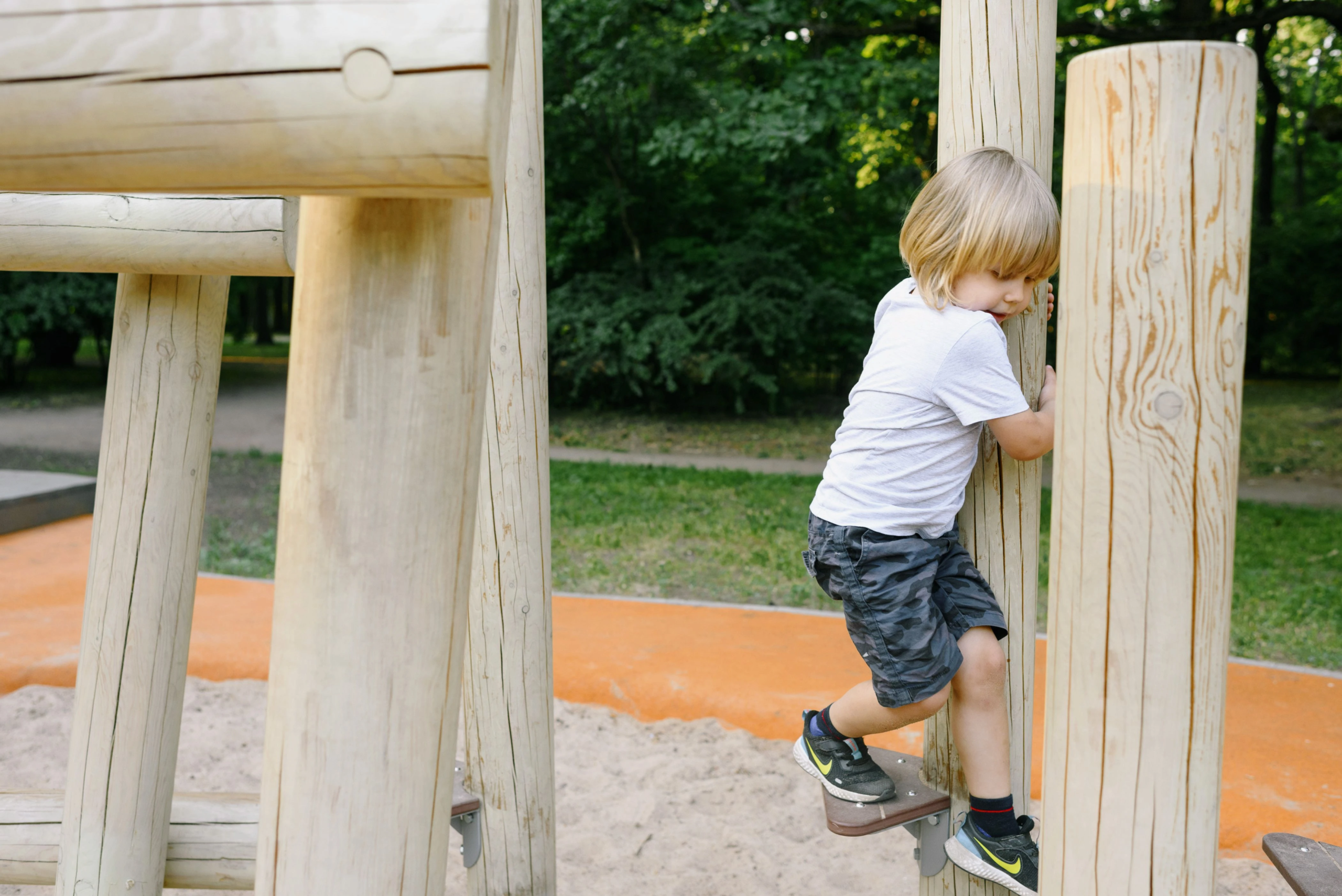


October 30, 2026/by Danielle Tessier
https://youthfirstinc.org/wp-content/uploads/2026/10/Toddler-no-playground-scaled.webp 1709 2560 Danielle Tessier https://youthfirstinc.org/wp-content/uploads/2017/06/340x156_YouthFirst_logo_color-300x138.png Danielle Tessier2026-10-30 16:07:172026-10-30 16:07:17When Halloween Feels Scary: Helping Children Navigate Fear and the Unknown

Encouraging Your Child to Take Healthy Risks

All Posts, Counties, Youth First Blog

By Vicki Kirkman, MSW, LCSW, LCAC – October 28, 2026 –

As a parent, the idea of children taking risks might bring to mind concerns about drug use, reckless driving, or negative peer influences. These behaviors can be dangerous and lead to serious consequences. However, not all risks are harmful. Healthy risks encourage children to step outside their comfort zones, explore new experiences, and discover their capabilities. Taking these risks can help children build confidence, self-esteem, and independence.

Children should be encouraged to take healthy risks that promote fun, personal growth, and exploration. Some children naturally gravitate toward new experiences and enjoy the excitement of trying something different. Others may be more hesitant, especially if they experience anxiety or feel uncomfortable in unfamiliar settings.

Regardless of their personality, all children can benefit from healthy risk-taking when they feel supported by a trusted adult. With thoughtful consideration and appropriate guidance, trying something new can become a positive learning experience.

Parents and caregivers can encourage healthy risk-taking by helping children find opportunities that match their interests. If your child enjoys watching a particular sport but has never played, encourage them to try out for a team or join a recreational league. Music lessons, school plays, talent shows, and new hobbies also provide opportunities to explore interests and develop new skills.

For children who are shy or want to build stronger connections with others, volunteering or participating in community projects can be a great place to start. Joining them in these activities allows adults to model positive social skills and offer reassurance. Other healthy risks might include inviting a new friend over, trying a different hairstyle or clothing style, tasting an unfamiliar food, or ordering their own meal at a restaurant. Even small steps can help children become more comfortable with new experiences.

Parents and caregivers play an important role in helping children navigate the uncertainty that comes with taking risks. Keep communication open and offer encouragement without putting pressure on children to participate before they feel ready. Talk about the effort and patience that learning something new may require, as well as the potential benefits, such as making friends, discovering interests, and developing new skills.

Remind children that it is normal to feel nervous or uncomfortable when trying something unfamiliar. Those feelings may eventually give way to pride, happiness, and a sense of accomplishment. Even when an experience doesn’t go as planned, children can learn valuable lessons about themselves and how to approach future challenges.

The goal isn’t to eliminate risk from a child’s life, but to help them learn how to take thoughtful, healthy risks. Adults can guide children in recognizing the difference between opportunities that encourage growth and choices that put their safety or well-being at risk. By creating a supportive environment where children feel safe exploring, making mistakes, and learning from experience, parents can help them develop the confidence and judgment they need to navigate the world around them.

Vicki Kirkman, MSW, LCSW, LCAC, is a Youth First Mental Health Professional at Gibson Southern High School in Gibson County. Youth First, Inc., is a nonprofit dedicated to strengthening youth and families. Youth First provides over 100 highly trained mental health professionals (primarily master’s level social workers), prevention programs, parent engagement coordinators, and bilingual support personnel to 138 schools across 15 Indiana counties. Over 56,000 youth and families each year are served by Youth First’s school-based social work and community programs that promote mental health, prevent substance misuse, and maximize student success. To learn more about Youth First, visit youthfirstinc.org or call 812-421-8336.

October 28, 2026/by Youth First
https://youthfirstinc.org/wp-content/uploads/2026/10/Toddler-no-playground-scaled.webp 1709 2560 Youth First https://youthfirstinc.org/wp-content/uploads/2017/06/340x156_YouthFirst_logo_color-300x138.png Youth First2026-10-28 14:29:342026-10-28 14:29:34Encouraging Your Child to Take Healthy Risks
Search Search

Topics

  • Self-Care: Why Helpers Need to Take Care of Themselves TooNovember 5, 2026 - 2:43 pm
  • When Halloween Feels Scary: Helping Children Navigate Fear and the UnknownOctober 30, 2026 - 4:07 pm
  • Encouraging Your Child to Take Healthy RisksOctober 28, 2026 - 2:29 pm
  • Sitting in the Dark with Your TeenOctober 21, 2026 - 9:33 am
  • Keeping our Kids Safe from Cyberbullying and Online DangersOctober 15, 2026 - 8:52 am

Support Youth First

Help protect and heal the hearts of children by supporting Youth First!

Donate

Where to find us

111 SE Third Street, Suite 405
Evansville, IN 47708

Mon–Fri: 8:00–5:00
Sat–Sun: Closed

Get In Touch

812-421-8336

Contact
Copyright © 2026 Youth First, Inc. | Website by Media Mix
  • Website designed by Media Mix Advertising
  • Privacy Policy
Scroll to top Scroll to top Scroll to top