• Español Familias
Youth First
  • About
    • Who We Are
      • Mission, Vision & Values
      • Outcomes & Impact
      • Stories of Change
      • History
      • Staff
      • Youth First Mental Health Professionals
      • Board of Directors
      • Leading Sponsors
      • Careers
    • Where We Are
      • Catholic Diocese of Evansville
      • Daviess
      • Dubois
      • Gibson
      • Greene
      • Knox
      • Lawrence
      • Martin
      • Morgan
      • Orange
      • Perry
      • Posey
      • Spencer
      • Vanderburgh
      • Warrick
  • Programs
    • For Schools & Students
      • Youth First Mental Health Professionals
      • Al’s Pals
      • C.A.S.T.
      • LifeSkills Training
      • Reconnecting Youth
      • Teen Series
      • Tween Series
      • WhyTry
    • For Families & Youth
      • Camp Memories
      • Family First
      • Family First Foundations
      • In It to Win It
    • For Communities
      • Talk – They Hear You
      • The Truth Is
  • Resources
    • Resiliency Resources
    • Advice from Our Professionals
    • Other Helpful Resources
  • News
    • Newsletter
    • News Releases
  • Events
    • Calendar of Events/Programs
    • Youth First Warrick County Golf Scramble
    • Youth First Breakfast of Champions
    • Youth First Benefit Auction
  • Careers
  • Contact
  • Support
    • Donate
    • Volunteer
  • Click to open the search input field Click to open the search input field Search
  • Menu Menu
  • Link to Facebook
  • Link to Instagram
  • Link to Youtube
  • Link to LinkedIn

Kids and Adults Benefit from Spending Time Outdoors

All Posts, Counties, Youth First Blog

By Maggie Robertson, MSW – May 28, 2025 –
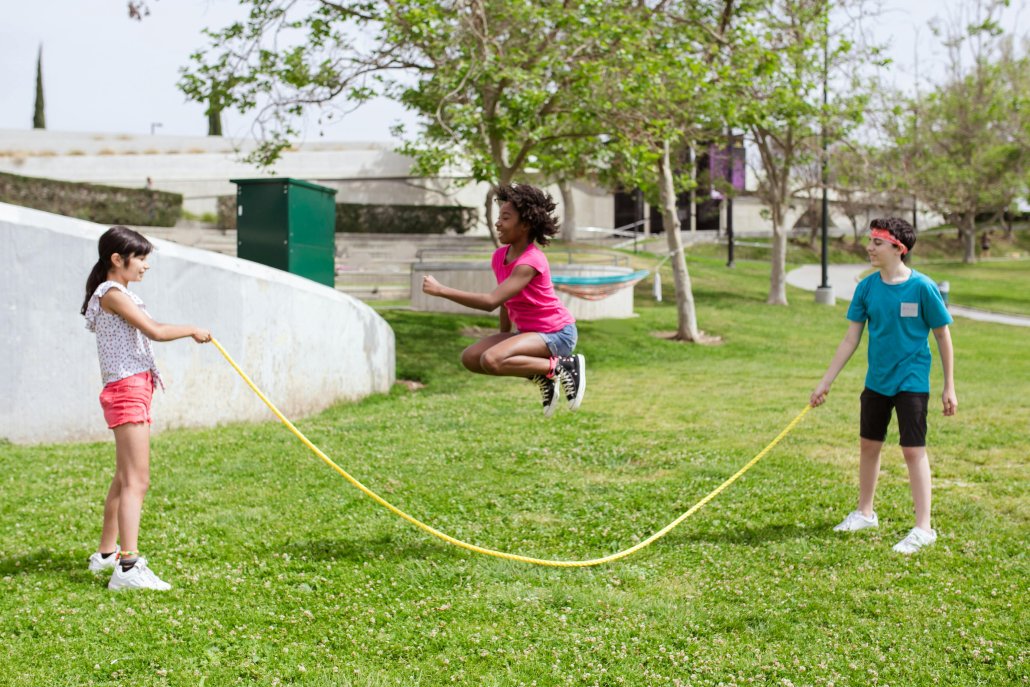
Summer is here! The days are warmer, longer, and for most kids, a little more carefree. And to the delight of many parents/guardians, kids have more opportunities to be outside.

It is hard to think of anything better for your mind and body than spending time outdoors. Currently, however, many kids are spending more time inside on electronics. It is important for adults to encourage them to spend time outdoors.

According to the University of California – Davis, there are many benefits associated with children spending adequate time outdoors, including mental and physical health, cognitive development, stress reduction, and environmental awareness. Many studies have found that just spending an hour a day outside can reduce depression and anxiety.

Spending time outdoors is also important for very young children. It can improve gross motor skills, social skills, cognitive development, and creativity. It gets kids moving, creating stimulation, while making them think.

Physical health is one of the most obvious benefits of spending time outdoors. Outdoor play encourages movement, whether it be running, jumping, or climbing. These activities help children develop strong muscles and bones, improve cardiovascular health, and maintain a healthy weight. Sunlight exposure also helps the body produce vitamin D, which is essential for bone health and immune function.

Mental and emotional health are also enhanced by spending time outdoors. Outdoor environments reduce stress, anxiety, depression, and symptoms of attention deficit disorders, offering a calming effect that regulates emotions and boosts mood and energy levels.

Outdoor time fosters children’s cognitive development also. Unstructured play stimulates curiosity, creativity, and problem-solving skills. When kids build and explore, they are engaging in active learning that can’t be replicated in a classroom or on a screen.

Outdoor play can also provide opportunities for collaboration and communication. When children play with others, it builds their vocabulary and social skills. Outdoor play allows for more freedom and self-direction, helping children build confidence and independence.

In addition to all these developmental benefits, being outside is simply fun and fulfilling for children. Climbing a tree, splashing in a creek, or flying a kite brings joy and a sense of adventure that is hard to match indoors. 

Encouraging outdoor play is one of the most effective ways to support our children’s overall health and development. There are endless opportunities and ideas of ways to spend time outside with your littles and it does not have to be expensive. Some examples include a hike in the woods, a scavenger hunt, or a game of tag in the yard. Time outdoors nurtures the body, mind, and spirit, helping children grow into healthier, happier, and more well-rounded individuals.

Adults can also be good role models for children. Let’s all put those electronics away and get outside!


May 28, 2025/by Youth First
https://youthfirstinc.org/wp-content/uploads/2025/05/Kids-outside-jumping-rope-scaled.jpg 1707 2560 Youth First https://youthfirstinc.org/wp-content/uploads/2017/06/340x156_YouthFirst_logo_color-300x138.png Youth First2025-05-28 11:41:112025-05-28 11:41:13Kids and Adults Benefit from Spending Time Outdoors

Should Your Kids Have a Summer Routine?

All Posts, Counties, Youth First Blog

By Staci Chambers, MSW, LSW – May 22, 2025 –

“Schools out for summer!” This is potentially one of the most controversial statements of all time – for some, cheers, for others, tears. Summer has the longest and warmest days of the year for kids to enjoy, with a break from structured routines. What could go wrong?

Random sleep schedules, spontaneous pool days, and impromptu picnics may sound ideal to some, but some unexpected and potentially even negative things could pop up. The reality is that children thrive off structure and routine. If the goal is to make meaningful memories and connections with your child, consider implementing some plans and routines in the daily summer schedule.

The main goal in establishing and maintaining a meaningful summer routine for children at home is to be intentional, present, and consistent. These routines do not have to be too strict or time-consuming.

Being intentional with a summer routine can help make it more impactful when connecting with your child. Consider having conversations to assess their interests or desires. Your child may share an idea of an activity they would like to participate in or a new interest they have developed, which will help create plans that are more specific to your child’s interests. It may also present an opportunity for you to introduce your child to a new hobby or activity that you enjoy. These activities do not have to be fancy or all about checking activities off a wish list, but rather more about being intentional in spending time together doing something that promotes happiness.

To be present in your time with your child requires more than just physical presence. Whether you are on an elaborate amusement park trip or a backyard worm hunt, being present and engaged with your child can make all the difference in the experience. Ways to truly be present and show genuine interest may include putting your device away and engaging in conversation. Spending uninterrupted and undivided time with them maintains a good connection with your child during the summer months.

Consistency in your summer routine can mean more to your child and benefit your family more than you may realize. Amid the more unstructured routines that summer break may naturally present, prioritizing quality time with your child consistently can help keep you connected and give your child something to look forward to. These consistent interactions can help promote deeper communication with your child.

Finding stability in the flexibility of a summer break schedule can provide a great opportunity to strengthen bonds within your family. Staying involved, engaged, and connected with your children on a regular basis throughout summer break will encourage relationships that are more positive.

Here are some simple examples of summer activities:

  • Movie nights
  • Nature or neighborhood walks
  • Backyard campouts or campfires
  • Ice cream outings
  • Weekly water days (garden hose, trip to the pool, splash pad, etc.)
May 22, 2025/by Youth First
https://youthfirstinc.org/wp-content/uploads/2025/05/Girls-holding-hands-summertime-scaled.jpg 1707 2560 Youth First https://youthfirstinc.org/wp-content/uploads/2017/06/340x156_YouthFirst_logo_color-300x138.png Youth First2025-05-22 09:22:162025-05-22 09:22:18Should Your Kids Have a Summer Routine?

Tracking Your Child’s Development

All Posts, Counties, Youth First Blog

By Rebecca Williams, MSW, LSW – May 14, 2025 –

As parents or caregivers, we have so many questions: Am I doing enough? Will my child be successful? Is my child achieving appropriate developmental milestones? Why doesn’t my child want to spend time with me anymore?

These are some of the questions parents may face throughout their child’s development. As a school social worker, I have heard them from parents myself on occasion, and they are not always easy to answer. However, there are some standards parents can consult to see how their child is developing and whether they need extra support.

Psychologist Erik Erikson outlined eight stages of human development. For the purpose of the audience, I will go over the first six.

  1. The first stage is trust vs. mistrust during a child’s infancy. This is the stage where children learn that if their needs are met, they can trust the adults catering to those needs. If their needs are not met, then children often grow to become less trusting in others.
  2. The second stage is autonomy vs. shame/doubt while the child is a toddler. Autonomy allows the child to have independence, thus creating a sense of confidence. However, doubt in the child or dependence on their caregiver can lead to low self-confidence.
  3. The third stage is initiative vs. guilt during the child’s preschool years. If the child’s initiative is taken positively, the child learns that being assertive can be a positive behavior. If the initiative is taken negatively, it can lead children to be shy or timid.
  4. The fourth stage is industry vs inferiority during the child’s early school years. This stage has a lot to do with self-esteem. If children feel like they are having success like their peers, they gain a positive self-image. If they feel like they are not meeting the same milestones as their peers, they can have a negative self-image.
  5. The fifth stage is identity vs. role confusion in adolescent years. During this stage, children are finding out what their identity is. If they are not given the opportunity to explore what their identity is this can lead to role confusion. Don’t be surprised if your children spend more time with their peers and pursuing their own interests at this age. Stages 4 and 5 have a lot to do with a child’s social system and may feel out of your hands, so it’s important to provide support and encouragement when you can.
  6. The sixth stage is intimacy vs. isolation during the young adult stage. This stage is all about forming relationships. Those that can form bonds and relationships well will form a sense of intimacy, while those that are unable to form positive relationships feel isolation.

Now this is not a cut and dry layout. There will always be exceptions and gray areas, but this can be a helpful tool to identify what your child’s needs and milestones are at different ages. Being a parent or caregiver isn’t always easy, but your support, encouragement and care will go a long way toward a child’s success. As your child grows, create a space and relationship with them that promotes open and judgement-free communication.

May 14, 2025/by Youth First
https://youthfirstinc.org/wp-content/uploads/2025/05/Parent-measuring-childs-growth-scaled.jpg 1442 2560 Youth First https://youthfirstinc.org/wp-content/uploads/2017/06/340x156_YouthFirst_logo_color-300x138.png Youth First2025-05-14 14:47:112025-05-14 14:47:13Tracking Your Child’s Development

Technology and Mental Health – Positives and Negatives for Your Teen

All Posts, Counties, Youth First Blog

By Christina Oschman-Vandiver, MSW, LSW – May 7, 2025 –

Technology plays a large role in the lives of students, particularly those in middle and high school. It seems to have become a big part of their lives and their preferred method of communication.

While technology offers convenience, it also presents more than a few challenges.  Whether it is social media, messaging or video games, they all provide a level of communication and anonymity. Students can portray themselves and their peers any way they want, which often leads to the aforementioned challenges.

As a school social worker, I see students using technology and social media accounts at increasingly younger ages. One benefit of students having a social media account is that it offers a way to stay connected with friends and family that may not be local as well as staying abreast of current events. I believe that staying connected with others plays an important role in good mental health, and a benefit of technology as a whole is that it gives students a way to reach out to others and ask for help if needed. 

On the other hand, technology and social media can present quite a few challenges.  Working in a middle school, I see the constant struggle of keeping students off of their electronics during the school day. With the constant use of social media, I have seen rumors spread rapidly, videos of fights shared, and online bullying, to list a few examples. I have also seen social media accounts made for the purpose of ridiculing other students and even teachers. The challenges have increased with the required use of computers by students for classes and classwork. 

Middle school is difficult enough, and adding technology and social media to the mix does not make things any easier. Social media can have a negative effect on a student’s mental health. When rumors are spread or embarrassing pictures are shared, it often leads to feelings of shame, insecurity and self-doubt. Then when others begin to join in, the student may begin to believe what is being said, possibly leading to depression, anxiety, isolation, anger, and loss of friendships. The more people that become involved, the more challenging it is for the student to handle and the school administration to resolve the issue. 

When it comes to mental health, there are both positives and negatives to students using technology and social media. A positive of a student having access to technology is that when they are feeling down or having thoughts of self-harm, they have the ability to easily reach out and get help, whether that be from a friend, family member or hotline number. Another positive is the possibility of finding a community where they feel accepted and others who may have gone through similar situations who can be an inspiration for the student.

A downside is that there are times when students are focused on their devices and the actions of others and become so wrapped up in what someone else is doing that they forget to live their own life. Another downside is that rumors spread very quickly online and the negative effects on mental health increase.

As with almost anything, technology and social media can have a positive or negative impact on mental health. On the one hand, it can be used for community, connectedness, and support. On the other hand, it can be used as a way to spread rumors, deceit and to tear others down. Therefore, it is important to bring awareness to positive mental health and proper use of technology, especially within the middle and high school student populations. 

May 7, 2025/by Youth First
https://youthfirstinc.org/wp-content/uploads/2025/05/Boy-and-girl-teen-on-their-phones-scaled.jpg 1707 2560 Youth First https://youthfirstinc.org/wp-content/uploads/2017/06/340x156_YouthFirst_logo_color-300x138.png Youth First2025-05-07 10:07:042025-05-07 10:07:06Technology and Mental Health – Positives and Negatives for Your Teen

The Importance of Small Conversations with Your Kids about our Values

Talk They Hear You
Read more
May 3, 2025/by Youth First
https://youthfirstinc.org/wp-content/uploads/2017/06/340x156_YouthFirst_logo_color-300x138.png 0 0 Youth First https://youthfirstinc.org/wp-content/uploads/2017/06/340x156_YouthFirst_logo_color-300x138.png Youth First2025-05-03 10:23:452026-05-14 09:46:12The Importance of Small Conversations with Your Kids about our Values
Search Search

Topics

  • Youth First to Honor Carol Lynch as 2026 Dr. William Wooten ChampionJuly 23, 2026 - 3:11 pm
  • How to Help Your Kids Make Good DecisionsJuly 22, 2026 - 2:22 pm
  • Youth First Receives $40,000 Award from CenterPoint Energy FoundationJuly 16, 2026 - 9:34 am
  • Establishing a Smooth Transition from Home to SchoolJuly 15, 2026 - 2:16 pm
  • Promoting Patience in a Fast-Moving WorldJuly 8, 2026 - 2:33 pm

Support Youth First

Help protect and heal the hearts of children by supporting Youth First!

Donate

Where to find us

111 SE Third Street, Suite 405
Evansville, IN 47708

Mon–Fri: 8:00–5:00
Sat–Sun: Closed

Get In Touch

812-421-8336

Contact
Copyright © 2026 Youth First, Inc. | Website by Media Mix
  • Website designed by Media Mix Advertising
  • Privacy Policy
Scroll to top Scroll to top Scroll to top