

By Amy Back, MSW, LSW, Youth First, Inc.
One thing I’ve learned from working with children and families is that the language we use matters. The words we choose — often in the heat of the moment — help shape how kids see themselves, understand relationships, and grow into the people they’re becoming.
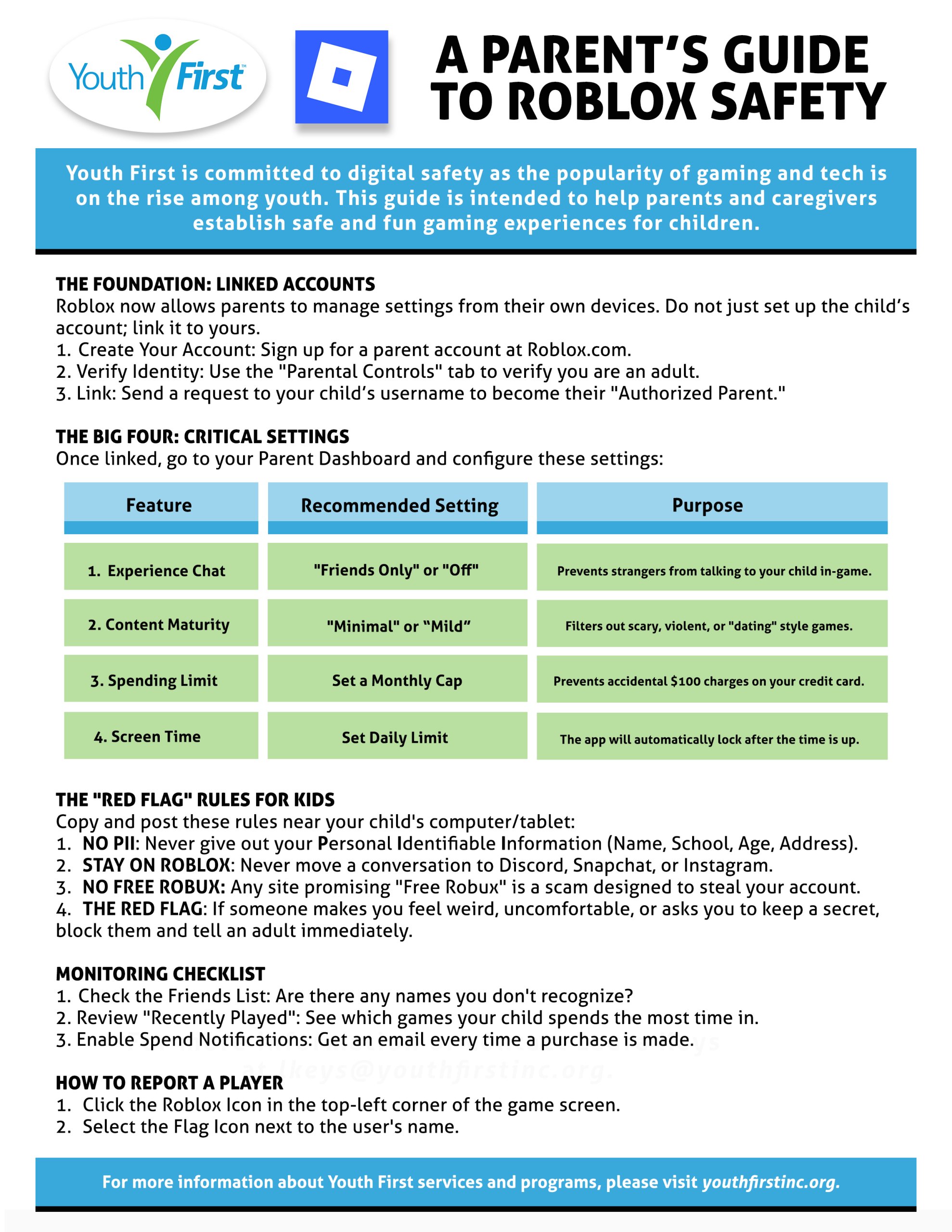
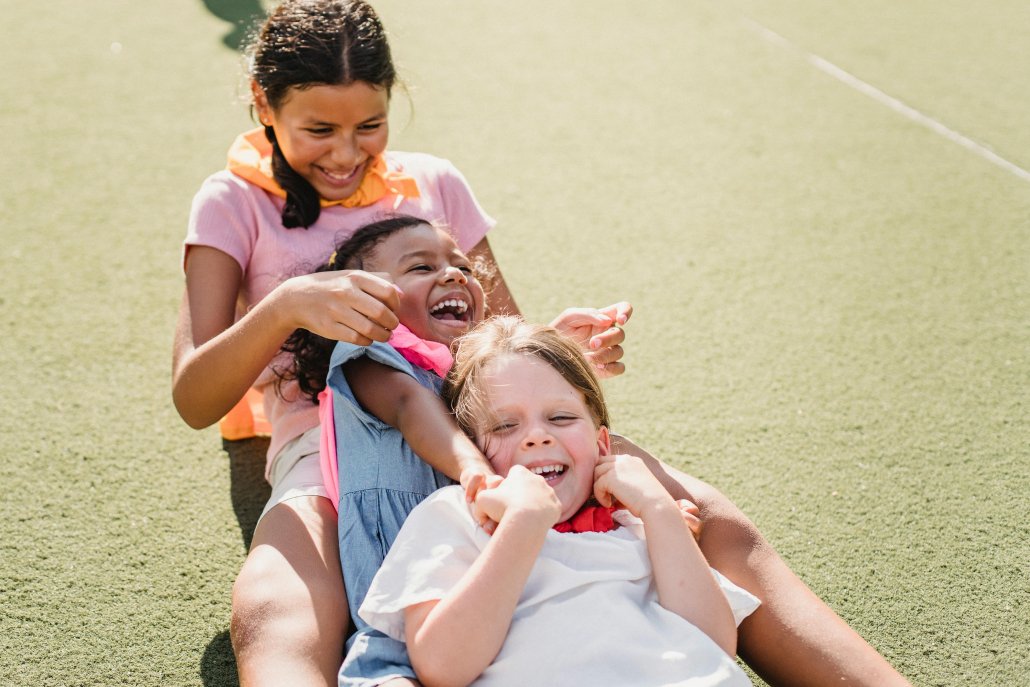
Two phrases that come up often are “girl drama” and “boys will be boys.” While they may feel like harmless shorthand, they can unintentionally shut down conversations and reinforce outdated ideas about how kids “should” behave.
Let’s start with “girl drama.” When girls have friendship struggles, disagreements, or strong emotional reactions, it’s common to brush them off as drama. But that label can minimize what may actually be a very real emotional experience. It suggests girls are being overly sensitive or irrational when in reality, they’re learning how to communicate, set boundaries, and work through conflict, essential life skills that deserve support, not dismissal.
Similarly, when boys act impulsively or struggle with emotional regulation, we often hear, “Boys will be boys.” While it’s usually said with affection, the phrase can excuse behavior that needs attention and guidance. It also limits boys by sending the message that they aren’t capable of reflection, empathy, or self-control, when in fact, they are.
These kinds of labels can create double standards and missed opportunities for connection. Girls may feel like their emotions are “too much,” and boys may learn that theirs don’t matter. Neither message helps children grow into emotionally healthy adults.
The good news is that small changes in how we talk to (and about) kids can make a big difference. When we stay curious rather than putting on labels, we invite kids into real conversations — and that’s where growth happens.
Here are some takeaways on this subject for parents and guardians:
· Labels like “girl drama” and “Boys will be boys” may feel familiar, but they often overlook important emotional moments.
· Kids of all genders benefit from learning how to express feelings, take responsibility, and navigate relationships, and they need adult support to do that.
· You don’t have to have all the answers. Just slowing down, being curious, and listening without judgment can go a long way.
· The way we respond teaches kids that their emotions matter, and that they don’t have to figure it all out alone.
Amy Back, MSW, LSW, is a Youth First Mental Health Professional at St. Wendel Catholic School in Posey County. Youth First, Inc., is a nonprofit dedicated to strengthening youth and families. Youth First provides over 100 highly trained mental health professionals (primarily master’s level social workers), prevention programs, parent engagement coordinators, and bilingual support personnel to 130 schools across 14 Indiana counties. Over 55,000 youth and families each year are served by Youth First’s school-based social work and community programs that promote mental health, prevent substance misuse, and maximize student success. To learn more about Youth First, visit youthfirstinc.org or call 812-421-8336.
By Jordan Evans, MSW, LSW – January 21, 2026 –

Emotional regulation is a child’s ability to understand, express, and manage their feelings in healthy ways. This skill begins developing early in life and continues to grow throughout childhood. Children do not learn emotional regulation on their own. Instead, they develop it through everyday interactions with parents, caregivers, peers, and their environment.
From a very young age, children look to adults to learn how emotions work. When parents comfort their child, name emotions, or help them calm down when they are upset, they are teaching important emotional skills. For example, when a parent acknowledges a child’s frustration and offers reassurance, the child begins to learn how to cope with strong feelings. Over time, these repeated moments help children manage emotions more independently.
Some children experience social isolation without parents realizing it. This can happen when children spend long periods using screens, are sent to their rooms for extended periods, or have limited opportunities to play with other children. When face-to-face interaction is reduced, children miss valuable opportunities to practice social and emotional skills in real-world situations. These missed experiences can affect how children learn to regulate their emotions.
Spending time with other children plays a key role in emotional development. Through play and occasional conflict, children experience excitement, anger, jealousy, and disappointment. Learning to share, take turns, and work through disagreements helps children build patience, flexibility, and self-control. When children don’t experience regular peer interaction, they may struggle more with frustration and emotional reactions.
Social isolation can also heighten negative emotions. Children who spend a lot of time alone may feel lonely, anxious, or bored, even if they cannot explain these feelings. Without regular interaction, children may have difficulty understanding what they are feeling and how to respond appropriately. This can lead to frequent tantrums, withdrawal from others, or trouble calming down after small challenges.
Language development is closely connected to emotional regulation. Talking with adults and other children helps children learn the words they need to describe their emotions. When children have limited social interaction, they may have fewer opportunities to hear and practice emotional language. As a result, children may become frustrated when they cannot express how they feel, leading to emotional outbursts.
The good news is that parents can make a meaningful difference. Warm and responsive relationships help protect children from the negative effects of social isolation. Simple daily actions such as maintaining routines, talking openly about feelings, offering comfort during difficult moments, and spending quality time together all support emotional growth. Creating opportunities for social play, such as playdates, family activities, or group programs, can also help children practice emotional and social skills.
To help your child learn to regulate their emotions, below are some suggested ways to engage with them:
- Eat dinner as a family at the table without screens
- Read together
- Play a board or card game
- Play outside
- Ask your child about their day
- Ask your child about their future using open-ended questions
- Be emotionally available to your child by limiting digital distractions
- Limit screen time for all household members
By staying engaged, present, and intentional, parents can help their children build strong emotional regulation skills that support healthy relationships, confidence, and emotional well-being throughout their lives.
By Jenna Pauli, MSW, LCSW – January 14, 2026 –
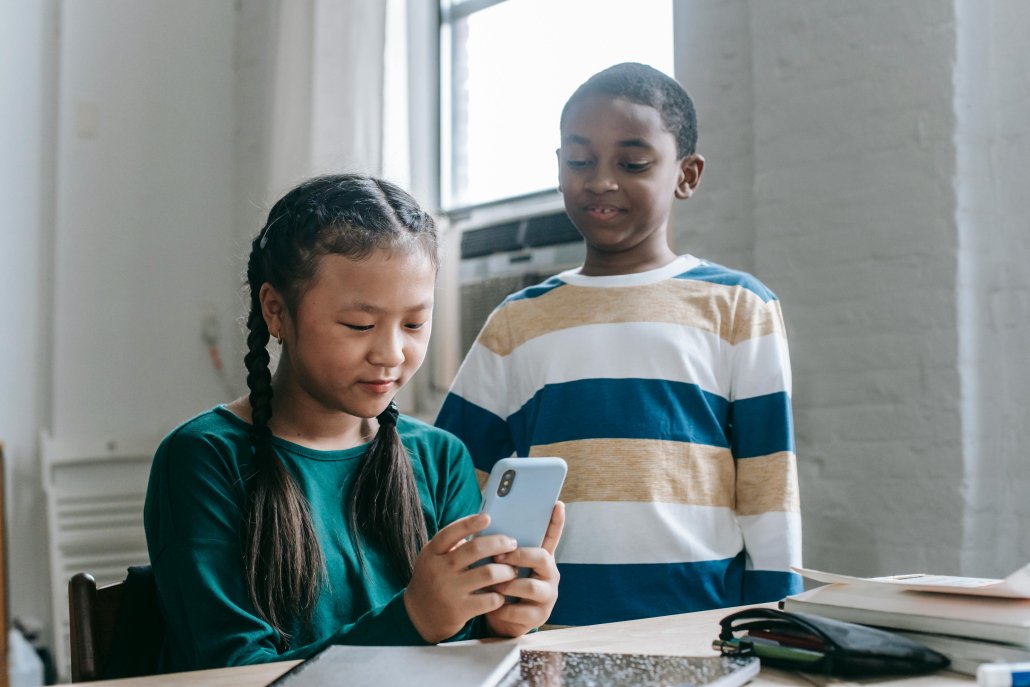
The popularity of social media and its negative effect on children have become controversial subjects. A growing number of social media platforms are targeting very young children.
We are becoming more aware of the negative impacts these outlets and apps can have on a child’s brain, self-esteem, social skills, and overall mental health. It’s probably inevitable that your child will spend time on social media, but you should definitely encourage good social media hygiene to protect them and limit the potential risks.
Research shows that teen brains are especially vulnerable to specific social media features. When looking at how a child’s brain forms, we know that adolescent brain development begins before puberty, around the age of 10, and lasts through early adulthood. During this time, the brain is undergoing major changes, which increases a teen’s need for additional reassurance and attention from peers.
On social media, teens this age are hyper-aware of the likes, comments, and feedback on their posts; this can lead to negative self-esteem and overall negative feelings about themselves and their body image. By limiting the social media apps your child can utilize as well as limiting the amount of time they are allowed to spend on these sites, we can help teens learn healthy boundaries and self-control while promoting positive brain development.
Teens and young children also need specific guidance on how to use these sites appropriately. An important step is teaching children the impact their words can have on others, as well as how others view them. It’s also essential to identify trusted adults they can turn to at school and at home if they notice something concerning on social media or have received an inappropriate message.
Discuss the importance of privacy settings on these sites and why your child should only add individuals they have met in person. Have them show you their social media accounts regularly. Discuss what they see as well as the content they are posting. By having these boundaries in place and sticking to them, your child is more likely to make positive decisions.
Another important way you can help promote social media safety for your child is by modeling this on your own social media accounts. Avoid using your phone and devices when you are engaged with your family, such as during family dinners. Taking “social media holidays” can help ensure your child learns how to prioritize family time over spending time on social media. Recognize when social media is negatively affecting your child’s development. If social media is interfering with friendships, extracurricular activities, or schoolwork, boundaries need to be developed and enforced.
It is important that children are still seeking in-person social interactions and developing positive communication skills. Social media is also harming your child’s development if it is impacting their sleep or if your child lies about what they are doing on these sites.
There are so many wonderful connections being made with the rise of social media. We have the power of information at our fingertips and the ability to stay connected with friends and family all over the world. With the tips above, you can help your child enjoy the positive benefits and avoid the pitfalls of social media.
By Lisa Glahn, MSW, LCSW – January 7, 2026 –

Returning to school after a break can be challenging for many students, especially after longer vacations such as winter or summer break. Typically, the longer a student is away from school, the more challenging it is for them to get back into their school routine. However, there are many tips and resources available for parents and guardians to ensure smooth transitions when returning to school, as well as to promote a more positive morning routine.
Establishing a strong and consistent morning routine is important. When you set a consistent schedule for a child, you are fostering their independence and helping them feel prepared for the day. Creating a visual schedule, such as a calendar, can be helpful. Repeating the routine over time allows the child to understand what each morning entails and establish habits.
Waking up early helps a child prepare for the day ahead. If they wake up late, a child may feel overwhelmed and rushed to make it to school on time. Eating breakfast before school may not be an option, and homework or an important school supply may be left behind. Ensuring a calm and controlled morning can help promote a more positive school day.
Creating a unique goodbye can make the transition more comforting and be a special moment between a student and their parent or guardian. Whether it’s a kiss, a hug, a high-five, a secret handshake, or more than one of these, a special goodbye can add some fun and extra love before beginning the school day.
Having a conversation about the school day ahead can also help make children feel more prepared. This time allows your child to share any concerns or worries they may have. Talking about what the school day will look like helps your child know what to expect and can help them feel more prepared.
Rewards and incentives can also help motivate students. Using a sticker chart allows a student to earn a small reward for completing their morning routine and walking into school each morning.
Allowing your student to bring a comfort item to school can offer a sense of security. It is a good idea to communicate with your child’s teacher before bringing along an item, but most teachers would allow a student to have a picture of their family in their locker or folder. During the car ride to school, the student may even have a special stuffed animal or blanket they can hold onto. This can also be included in the daily morning routine.
Lastly, offering encouragement and affirmations can go a long way in supporting a child. Encouraging your child to do their best every morning before school and providing positive affirmations will help them more than you know. This can help build confidence and allow their level of self-esteem to grow. Leaving notes in their lunchbox or backpack can serve as small touches that motivate them throughout the school day as well.