By Kelli Knight, MSW, LCSW – April 29, 2026 –
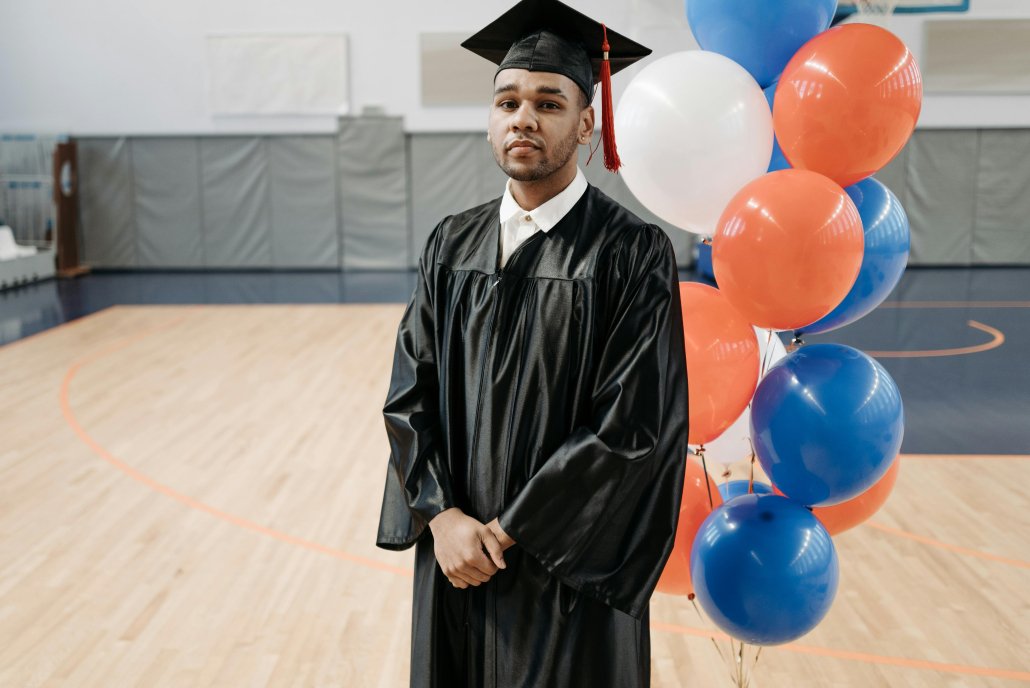
Graduation is a huge milestone for high school seniors, but it can also bring a lot of anxiety. While many students are excited to finish high school, the idea of what comes next can feel overwhelming. Whether they’re thinking about college, their career, or simply leaving behind what’s familiar, it’s easy for stress and uncertainty to take over. Fortunately, there are plenty of ways parents, teachers, and others can help students manage their worries and feel more confident about the transition ahead.
For many high school seniors, graduation represents a major shift in their lives. It’s often the first time they’re facing big decisions that will shape their future, such as what to do after graduation, whether to go to college, or what career path to take. These choices can feel like a lot of pressure, especially when it feels like everyone has an opinion about what they “should” do.
On top of that, high school seniors are leaving behind the world they’ve known for years – the same group of friends, the same daily routine, the same teachers. Everything is about to change. It’s no surprise that some students worry about making new friends, adapting to new environments, and finding their place in the world. All of these changes can leave students feeling uncertain and anxious about what’s next.
Graduation anxiety doesn’t always show up in obvious ways. Some students might not talk about their fears, but instead may have trouble sleeping, loss of appetite, or seem more irritable than usual. Others might withdraw from friends or avoid dealing with important decisions. If you notice a student is acting differently or seems especially stressed, it could be a sign that they’re struggling with anxiety about what’s to come.
How to Support Students During This Time:
1. Acknowledge Their Feelings: One of the best things you can do is let students know that their anxiety is normal. Graduation is a big life change, and it’s okay to feel unsure or stressed about it. Let them know they’re not alone, and everyone goes through this at some point.
2. Encourage Open Conversations: Give students a chance to talk about their worries and really listen to what they have to say. Sometimes just having someone to vent to can help them process their feelings and ease their stress.
3. Shift the Focus to the Journey: While it’s easy to get caught up in the pressure of post-graduation plans, it’s helpful to remind students that this isn’t the end. Graduation is just one part of their journey. Encourage them to reflect on everything they’ve accomplished so far and reassure them that there’s no one right way to move forward.
4. Break Big Decisions into Smaller Steps: The future can feel overwhelming when it seems like one big, confusing question. Help students break down their goals into smaller, more manageable tasks. Whether it’s applying for college, finding a job, or becoming skilled in a trade, small steps can make things feel more doable.
5. Encourage Self-Care: Encourage your senior to find activities that help them relax, whether it’s exercise, meditation, or just taking time to hang out with friends. A little self-care can go a long way toward managing stress.
6. Offer Practical Help: Sometimes the anxiety comes from not knowing where to start. Whether it’s helping with college applications or talking through career options, offering guidance and resources can make a big difference. Having a trusted adult to talk to can give students a sense of direction and control during a time that feels uncertain.
Graduation is an exciting but stressful time for high school seniors. It’s normal for them to feel anxious about what comes next, but with the right support, they can face the future with more confidence. By acknowledging their fears, providing practical help, and encouraging open communication, we can help them navigate this big transition and feel ready for what lies ahead. With the right encouragement and guidance, graduation can become not just an ending, but the beginning of a new, exciting chapter.
Kelli Knight, MSW, LCSW, is a Youth First Mental Health Professional at Evansville Central High School in Vanderburgh County. Youth First, Inc., is a nonprofit dedicated to strengthening youth and families. Youth First provides over 100 highly trained mental health professionals (primarily master’s level social workers), prevention programs, parent engagement coordinators, and bilingual support personnel to 130 schools across 14 Indiana counties. Over 55,000 youth and families each year are served by Youth First’s school-based social work and community programs that promote mental health, prevent substance misuse, and maximize student success. To learn more about Youth First, visit youthfirstinc.org or call 812-421-8336.