Support for Children Experiencing Domestic Violence
By Kelsey Weber, MSW, LCSW – February 25,2025 –
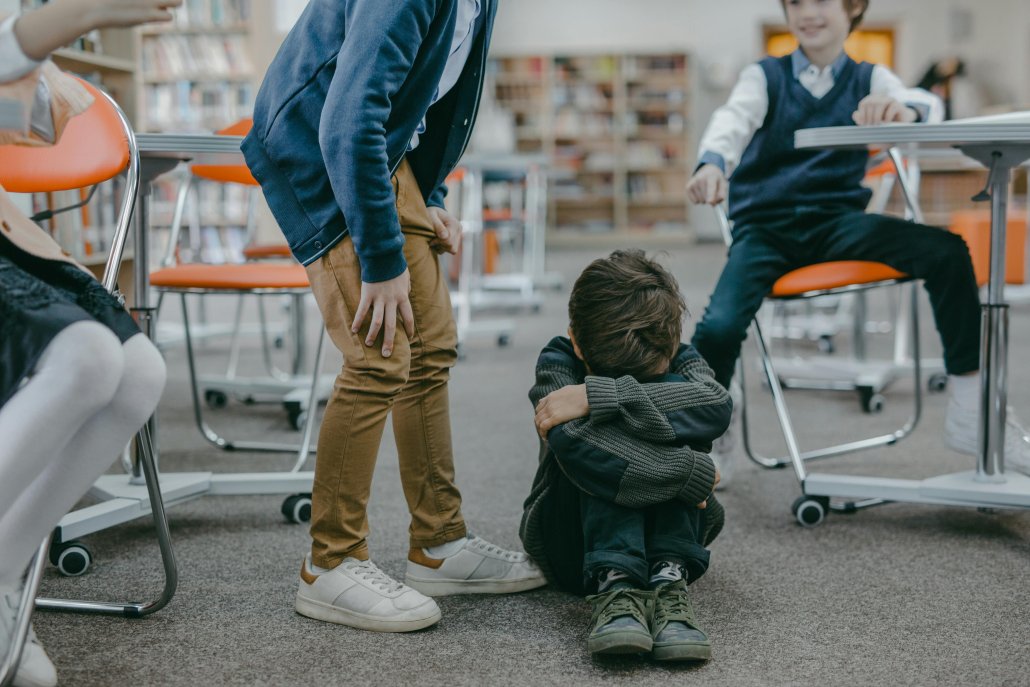
Family and domestic violence is a common problem in the United States. According to the National Institutes of Health (NIH), one in four women and one in nine men are victims of domestic violence. Unfortunately, children in the home are also victims. Domestic violence can have severe effects on a child’s emotional, social, and academic well-being. Therefore, parents, caregivers, and educators must collaborate to support children experiencing domestic violence.
Let’s start in the classroom. Educators need to create a safe space where the child feels comfortable communicating, sharing experiences, and expressing emotions. Establishing open communication with a student in the classroom is the first step in establishing trust. Educators can establish open communication by encouraging gentle conversations, engaging in active listening without judgment, and providing reassurance that the child is not alone. Encouraging students to express their feelings aids in the healing process.
To effectively support a child, it is important to recognize the signs of trauma. Children exposed to domestic violence may exhibit behavioral changes at home and/or school. These signs may include, but are not limited to, withdrawal, aggression, anger outbursts, and anxiety. Parents and caregivers should monitor changes and seek professional help when necessary. Identifying a trusted adult that your child can speak to is crucial, providing an additional layer of emotional support.
It is also essential for parents to collaborate with the school by informing teachers/support staff about situations that have arisen, so that staff can support them academically and emotionally. Many schools have counselors or mental health professionals in the building who can offer additional support if needed. Working together with a child’s school ensures that the student receives support when needed.
When teachers are aware that a student experiences trauma at home, they can tailor their educational approach to meet the unique needs of that student. Recognizing that students may face challenges in concentration or participation, teachers can implement strategies such as breaks, flexible deadlines for assignments, additional emotional support outside the classroom, and calming areas inside the classroom. Creating an understanding classroom environment is key to contributing to the child’s academic success.
School staff can also encourage extracurricular activities as a positive outlet for students. Engaging in activities they enjoy can take their mind off the challenges they face at home. This not only contributes to their overall well-being but also builds self-esteem and fosters a sense of accomplishment.
How can parents help at home? Establishing consistent routines provides a sense of stability and comfort at home for a child who may be navigating a tough environment. Creating structure in their daily routine and providing a safe space can contribute to a child’s overall sense of security and create an atmosphere of learning and positive emotional well-being. It is also important for parents and caregivers to actively listen to their child and provide a safe space for them to talk about their feelings when needed.
In cases of domestic violence, seeking professional help is imperative. Connecting with local support services, such as counseling or advocacy organizations, can provide the child and their family with the assistance needed to navigate the complexities of the situation. These services often extend to educational support, ensuring a holistic approach to the child’s well-being.
In conclusion, supporting a student at home dealing with domestic violence requires a collaborative effort between parents, caregivers, educators, and the broader community. By establishing open communication, recognizing signs of trauma, creating stability at home, collaborating with schools, tailoring educational approaches, and seeking professional help when needed, we can contribute to the healing and growth of these resilient individuals. Every child deserves a safe and supportive environment, and by working together, we can make a meaningful impact on their journey towards recovery and success.
Kelsey Weber, MSW, LCSW, is a Youth First Mental Health Professional at Chandler Elementary School in Warrick County. Youth First, Inc., is a nonprofit dedicated to strengthening youth and families. Youth First provides over 100 highly trained mental health professionals (primarily master’s level social workers), prevention programs, parent engagement coordinators, and bilingual support personnel to 130 schools across 14 Indiana counties. Over 55,000 youth and families each year are served by Youth First’s school-based social work and community programs that promote mental health, prevent substance misuse, and maximize student success. To learn more about Youth First, visit youthfirstinc.org or call 812-421-8336.