Encouraging Your Child to Take Healthy Risks
By Vicki Kirkman, MSW, LCSW, LCAC – October 28, 2026 –
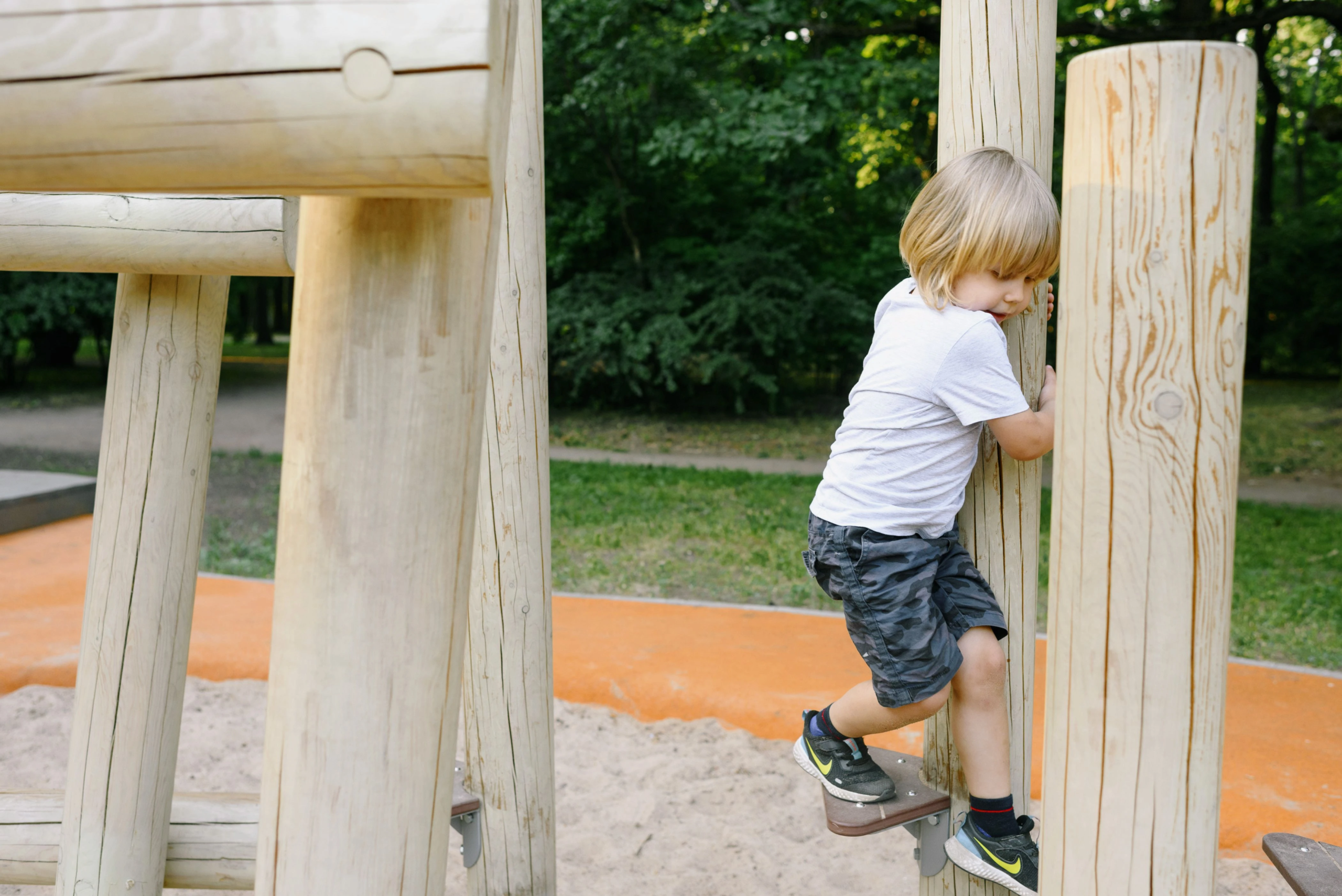
As a parent, the idea of children taking risks might bring to mind concerns about drug use, reckless driving, or negative peer influences. These behaviors can be dangerous and lead to serious consequences. However, not all risks are harmful. Healthy risks encourage children to step outside their comfort zones, explore new experiences, and discover their capabilities. Taking these risks can help children build confidence, self-esteem, and independence.
Children should be encouraged to take healthy risks that promote fun, personal growth, and exploration. Some children naturally gravitate toward new experiences and enjoy the excitement of trying something different. Others may be more hesitant, especially if they experience anxiety or feel uncomfortable in unfamiliar settings.
Regardless of their personality, all children can benefit from healthy risk-taking when they feel supported by a trusted adult. With thoughtful consideration and appropriate guidance, trying something new can become a positive learning experience.
Parents and caregivers can encourage healthy risk-taking by helping children find opportunities that match their interests. If your child enjoys watching a particular sport but has never played, encourage them to try out for a team or join a recreational league. Music lessons, school plays, talent shows, and new hobbies also provide opportunities to explore interests and develop new skills.
For children who are shy or want to build stronger connections with others, volunteering or participating in community projects can be a great place to start. Joining them in these activities allows adults to model positive social skills and offer reassurance. Other healthy risks might include inviting a new friend over, trying a different hairstyle or clothing style, tasting an unfamiliar food, or ordering their own meal at a restaurant. Even small steps can help children become more comfortable with new experiences.
Parents and caregivers play an important role in helping children navigate the uncertainty that comes with taking risks. Keep communication open and offer encouragement without putting pressure on children to participate before they feel ready. Talk about the effort and patience that learning something new may require, as well as the potential benefits, such as making friends, discovering interests, and developing new skills.
Remind children that it is normal to feel nervous or uncomfortable when trying something unfamiliar. Those feelings may eventually give way to pride, happiness, and a sense of accomplishment. Even when an experience doesn’t go as planned, children can learn valuable lessons about themselves and how to approach future challenges.
The goal isn’t to eliminate risk from a child’s life, but to help them learn how to take thoughtful, healthy risks. Adults can guide children in recognizing the difference between opportunities that encourage growth and choices that put their safety or well-being at risk. By creating a supportive environment where children feel safe exploring, making mistakes, and learning from experience, parents can help them develop the confidence and judgment they need to navigate the world around them.
Vicki Kirkman, MSW, LCSW, LCAC, is a Youth First Mental Health Professional at Gibson Southern High School in Gibson County. Youth First, Inc., is a nonprofit dedicated to strengthening youth and families. Youth First provides over 100 highly trained mental health professionals (primarily master’s level social workers), prevention programs, parent engagement coordinators, and bilingual support personnel to 138 schools across 15 Indiana counties. Over 56,000 youth and families each year are served by Youth First’s school-based social work and community programs that promote mental health, prevent substance misuse, and maximize student success. To learn more about Youth First, visit youthfirstinc.org or call 812-421-8336.