Kids Need to Fail to be Successful
By Nolan Miller, MSW, LCSW – July 17, 2024 –
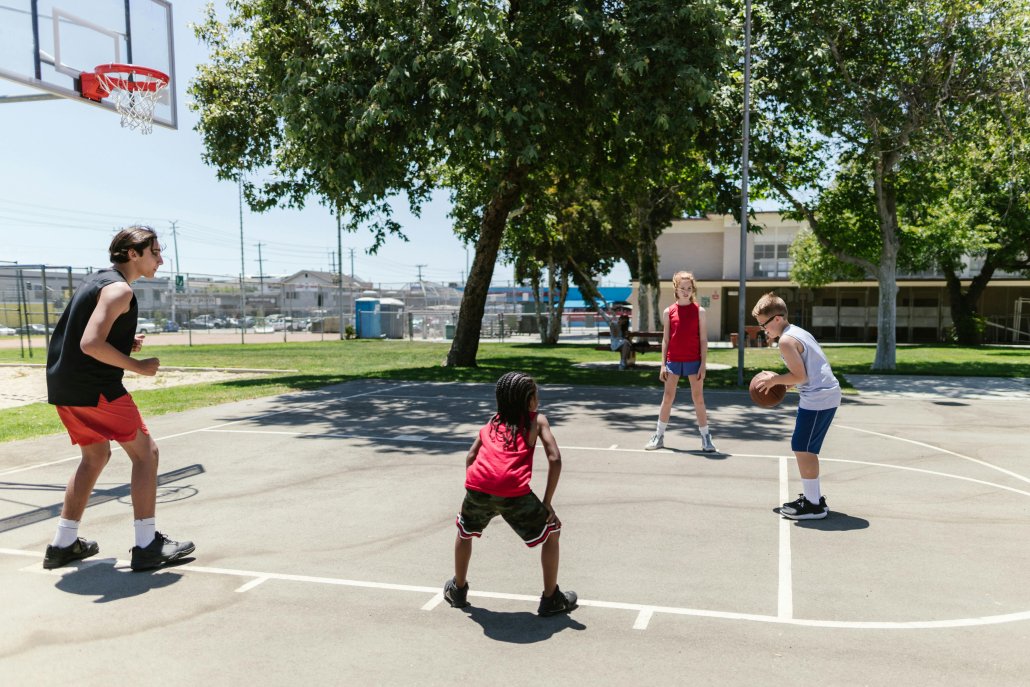
Picture this. You are in school and kids are choosing teams for a basketball game. Five students are very good at the sport and five may need to work on their skills a bit more. No matter how the teams are chosen, one team will have an advantage over the other. As a result, what should we do? Quit or play the game?
For some, this question is not so easy to answer. As a school social worker, I often see children who love to play games, sports, or anything that is competitive in nature, but they do not like to lose.
It’s safe to say none of us, even adults, really want to lose. It can make us feel like we are not good enough and therefore shouldn’t even try. However, this is far from the truth. We learn more from losing than from winning.
A better question is: How do we help our children understand that it isn’t always about winning and it’s okay to lose sometimes?
For example, when playing a board game (and I know as an adult I can win this game nine times out of ten), do I let the child win sometimes or beat them every time? Perhaps try to find a balance between victories and losses. It’s all about the discussion after the game and how the child reacts. When they win, are they enjoying the win or are they gloating that they are more skilled? This may give insight on how they feel when they are losing. When they lose, are they brushing off the loss or running away from the game saying they never want to play again?
I grew up playing sports and games with my family. I didn’t enjoy losing. However, understanding that I was more than just a competitor in a game was a lesson I could use in different aspects of my life. Bad days happen, and we have the opportunity to learn and grow from them. Some factors are not in our control, and we can either run from our struggles or learn to control our reactions.
No one expects a child to take every loss in stride, but you can begin laying the foundation to accept losses with grace and courage. Whether they are competing on the field, the court, the stage, or just playing on the playground with friends, keeping the lines of positive communication open can lead to a more positive experience with others.