• Español Familias
Youth First
  • About
    • Who We Are
      • Mission, Vision & Values
      • Outcomes & Impact
      • Stories of Change
      • History
      • Staff
      • Youth First Mental Health Professionals
      • Board of Directors
      • Leading Sponsors
      • Careers
    • Where We Are
      • Catholic Diocese of Evansville
      • Daviess
      • Dubois
      • Gibson
      • Greene
      • Knox
      • Lawrence
      • Martin
      • Morgan
      • Orange
      • Perry
      • Posey
      • Spencer
      • Vanderburgh
      • Warrick
  • Programs
    • For Schools & Students
      • Youth First Mental Health Professionals
      • Al’s Pals
      • C.A.S.T.
      • LifeSkills Training
      • Reconnecting Youth
      • Teen Series
      • Tween Series
      • WhyTry
    • For Families & Youth
      • Camp Memories
      • Family First
      • Family First Foundations
      • In It to Win It
    • For Communities
      • Talk – They Hear You
      • The Truth Is
  • Resources
    • Resiliency Resources
    • Advice from Our Professionals
    • Other Helpful Resources
  • News
    • Newsletter
    • News Releases
  • Events
    • Calendar of Events/Programs
    • Youth First Benefit Auction
    • Youth First Breakfast of Champions
  • Careers
  • Contact
  • Support
    • Donate
    • Volunteer
  • Click to open the search input field Click to open the search input field Search
  • Menu Menu
  • Link to Facebook
  • Link to Instagram
  • Link to Youtube
  • Link to LinkedIn

The Importance of Family Traditions

All Posts, Counties, Youth First Blog

By Jordyn Bryant, MSW, LSW – November 12, 2025 –
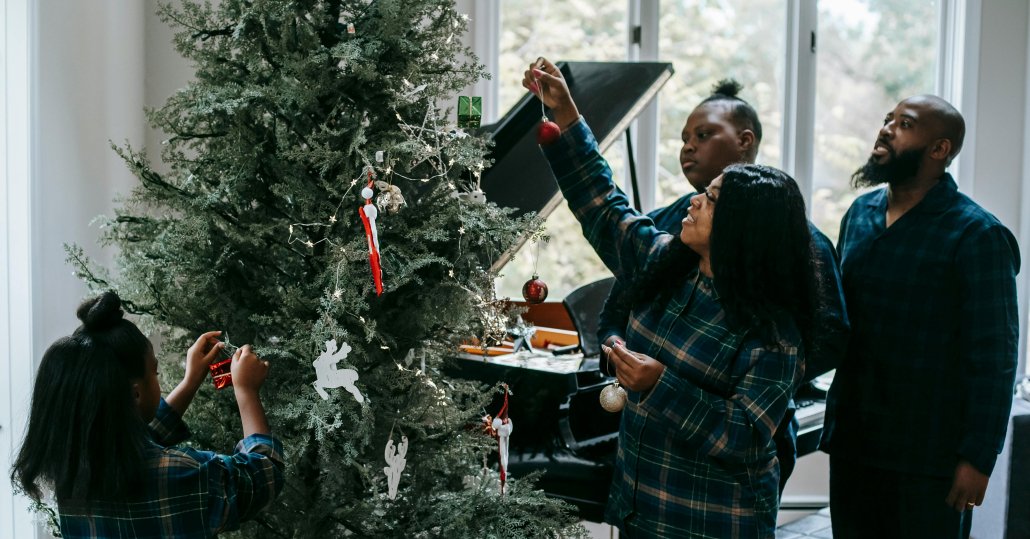
In today’s busy world, families are often pulled in many directions with work, school, sports, and endless to-do lists. It’s easy to feel disconnected from one another, even while living under the same roof. One powerful way to strengthen connection and support mental well-being is through family traditions.

Family traditions are more than just routines. While routines are about efficiency and getting things done, traditions carry emotional meaning. They are recurring activities that foster a sense of belonging and stability, such as bedtime stories, Saturday morning pancakes, or weekly movie nights. These shared practices bond the family and send a message, “We are in this together.”    Even the smallest traditions, like a goodnight phrase or a special handshake, can become treasured symbols of family love and unity.

Research shows that traditions benefit mental health in several ways. They provide comfort and predictability, which helps children feel secure in an unpredictable world. They strengthen relationships by giving families regular opportunities to connect, laugh, and share joy. Traditions also create a sense of identity and resilience, reminding children that they are part of something larger than themselves. For parents, traditions can reduce stress by offering intentional pauses from the rush of daily life and opportunities to slow down together.

The best part is that traditions don’t need to be complicated or time-consuming. A gratitude check-in at dinner, reading a book together before bed, or a Sunday walk can all serve as powerful anchors. What matters most is consistency and the emotional connection attached to the tradition, not perfection. Families don’t need to compare their traditions to others; what matters is finding practices that feel natural and meaningful in your own home.

If your family doesn’t have many traditions yet, start small. Choose one activity you can realistically commit to and invite your children to help shape it. When kids take part in creating a tradition, they feel a sense of ownership and pride. Over time, these simple practices can become cherished memories and lasting sources of comfort. In moments of stress or uncertainty, it is often the smallest traditions that children remember most, the ones that remind them they are loved, secure, and connected.

Family traditions are powerful, not because they are elaborate, but because they are consistent, meaningful, and shared. In a fast-paced world, they serve as reminders to slow down, connect, and celebrate being together. Those moments of connection are not just pleasant; they are essential to the mental health and well-being of both children and parents.


November 12, 2025/by Youth First
Share this entry
  • Share on Facebook
  • Share on X
  • Share on WhatsApp
  • Share on Pinterest
  • Share on LinkedIn
  • Share by Mail
https://youthfirstinc.org/wp-content/uploads/2025/11/AA-family-decorating-tree-scaled.jpg 1340 2560 Youth First https://youthfirstinc.org/wp-content/uploads/2017/06/340x156_YouthFirst_logo_color-300x138.png Youth First2025-11-12 16:23:452025-11-18 14:54:25The Importance of Family Traditions
You might also like
You Are Worthy!
Tracking Your Child’s Development
The Importance of Labeling Emotions
Jazzy the Cat Encourages Children to Read
“Smart” Ways of Managing Anxiety
Shared Meals Lead to Happier, Healthier Families
Search Search

Topics

  • Establishing a Smooth Transition from Home to SchoolJuly 15, 2026 - 2:16 pm
  • Promoting Patience in a Fast-Moving WorldJuly 8, 2026 - 2:33 pm
  • Building Self-Esteem in Children: A Foundation for Lifelong SuccessJuly 1, 2026 - 10:31 am
  • Prepare Your Child for Kindergarten this SummerJune 24, 2026 - 11:21 am
  • Dealing with Anger: How to Help Your ChildJune 17, 2026 - 8:00 am

Support Youth First

Help protect and heal the hearts of children by supporting Youth First!

Donate

Where to find us

111 SE Third Street, Suite 405
Evansville, IN 47708

Mon–Fri: 8:00–5:00
Sat–Sun: Closed

Get In Touch

812-421-8336

Contact
Copyright © 2026 Youth First, Inc. | Website by Media Mix
  • Website designed by Media Mix Advertising
  • Privacy Policy
Link to: Community Foundation of Morgan County Awards $10,000 to Youth First Link to: Community Foundation of Morgan County Awards $10,000 to Youth First Community Foundation of Morgan County Awards $10,000 to Youth First Link to: How to Respond When Children Lie Link to: How to Respond When Children Lie How to Respond When Children Lie
Scroll to top Scroll to top Scroll to top