• Español Familias
Youth First
  • About
    • Who We Are
      • Mission, Vision & Values
      • Outcomes & Impact
      • Stories of Change
      • History
      • Staff
      • Youth First Mental Health Professionals
      • Board of Directors
      • Leading Sponsors
      • Careers
    • Where We Are
      • Catholic Diocese of Evansville
      • Daviess
      • Dubois
      • Gibson
      • Greene
      • Knox
      • Lawrence
      • Martin
      • Morgan
      • Orange
      • Perry
      • Posey
      • Spencer
      • Vanderburgh
      • Warrick
  • Programs
    • For Schools & Students
      • Youth First Mental Health Professionals
      • Al’s Pals
      • C.A.S.T.
      • LifeSkills Training
      • Reconnecting Youth
      • Teen Series
      • Tween Series
      • WhyTry
    • For Families & Youth
      • Camp Memories
      • Family First
      • Family First Foundations
      • In It to Win It
    • For Communities
      • Talk – They Hear You
      • The Truth Is
  • Resources
    • Resiliency Resources
    • Advice from Our Professionals
    • Other Helpful Resources
  • News
    • Newsletter
    • News Releases
  • Events
    • Calendar of Events/Programs
    • Youth First Warrick County Golf Scramble
    • Youth First Breakfast of Champions
    • Youth First Benefit Auction
  • Careers
  • Contact
  • Support
    • Donate
    • Volunteer
  • Click to open the search input field Click to open the search input field Search
  • Menu Menu
  • Link to Facebook
  • Link to Instagram
  • Link to Youtube
  • Link to LinkedIn

ADHD – More than an “Attention Problem”

ADHD, adolescence, All Posts, Youth First Blog

By Beth Thomas, MSW, LSW – May 6, 2026 –

Parenting a child with attention-deficit/hyperactivity disorder (ADHD) can sometimes feel overwhelming, leading to feelings of frustration, stress, confusion, or even feeling disrespected by your child. Children with ADHD are often unfairly labeled as “lazy” or “daydreamers,” but these characterizations are common misconceptions that overlook the neurological basis of the condition and the challenges it presents.

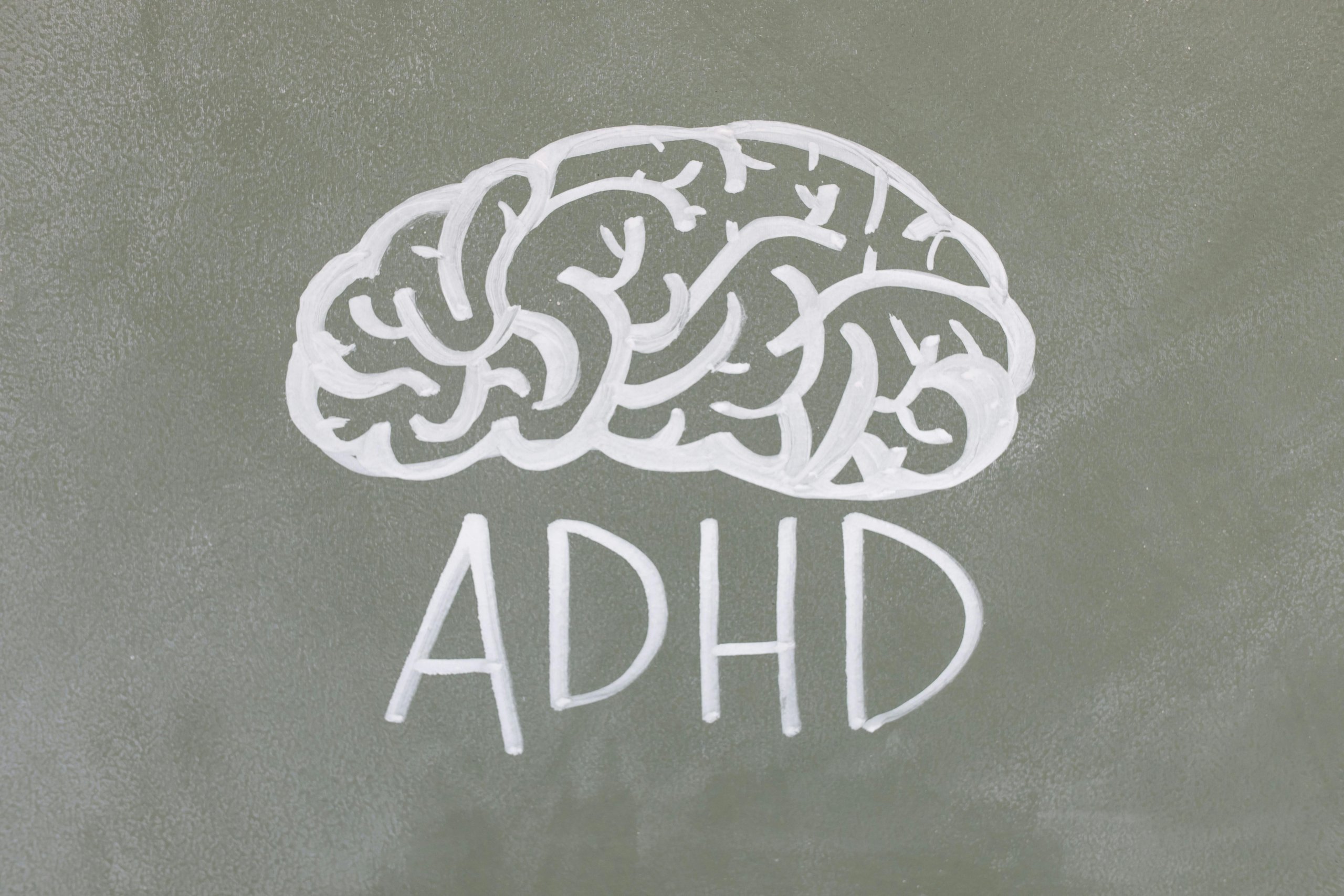
ADHD is a medical condition, more specifically a neurodevelopmental disorder that affects how the brain develops and functions. Differences in brain structure and activity can influence areas responsible for executive functioning, including planning, organization, task completion, sustained attention, and the regulation of emotions and impulses. Individuals with ADHD often have differences in dopamine activity, a brain chemical that plays an important role in motivation, reward, and attention.

ADHD and its symptoms can affect nearly every aspect of a person’s life, influencing both workplace performance and everyday self-management. The condition is typically categorized into two main types: inattentive and hyperactive-impulsive. Some individuals experience features of both, known as the combined type.

Symptoms of the inattentive type often include frequently misplacing essential items (such as a cell phone, glasses, or keys), difficulty maintaining focus on tasks or conversations, and trouble fully listening when spoken to, sometimes becoming easily distracted or interrupting others. Individuals with the hyperactive-impulsive type may fidget, struggle to remain seated, interrupt conversations, or respond to questions before they are fully asked. Those with the combined type of ADHD experience a mix of symptoms from both categories.

Studies show that there are measurable anatomical differences between the brains of individuals diagnosed with ADHD and those without the condition. Although the exact cause of ADHD has not yet been identified, ongoing research continues to deepen our understanding. In addition to potential genetic influences, several non-genetic factors have been linked to ADHD, including premature birth, high levels of stress experienced by the mother and baby during pregnancy, and prenatal exposure to toxins such as tobacco smoke or alcohol.

More than 65% of individuals with ADHD are also diagnosed with at least one additional condition, often referred to as a coexisting or comorbid condition. These can include anxiety disorders, depressive disorders, mood disorders, behavioral and conduct disorders, autism spectrum disorder, sleep-related difficulties, and learning disabilities.

There are a variety of treatments available for ADHD. Typically, the most common treatments are therapy, medication, and/or lifestyle changes. No one treatment will work the same for everyone. It is important and encouraged to talk with a professional about any concerns, questions, or interests you have concerning ADHD treatments. With the appropriate treatment, someone with ADHD can live a fulfilling and successful life.

Beth Thomas, MSW, LSW, is a Youth First Mental Health Professional at Hebron Elementary School in Vanderburgh County. Youth First, Inc., is a nonprofit dedicated to strengthening youth and families. Youth First provides over 100 highly trained mental health professionals (primarily master’s level social workers), prevention programs, parent engagement coordinators, and bilingual support personnel to 130 schools across 14 Indiana counties. Over 55,000 youth and families each year are served by Youth First’s school-based social work and community programs that promote mental health, prevent substance misuse, and maximize student success. To learn more about Youth First, visit youthfirstinc.org or call 812-421-8336.

May 6, 2026/by Youth First
https://youthfirstinc.org/wp-content/uploads/2026/05/ADHD-graphic-scaled.jpg 1707 2560 Youth First https://youthfirstinc.org/wp-content/uploads/2017/06/340x156_YouthFirst_logo_color-300x138.png Youth First2026-05-06 18:40:562026-05-07 10:45:47ADHD – More than an “Attention Problem”

Parenting a Child with ADHD

ADHD

By Whitney Eaton, LCSW, and Ashley Miller – Tuesday, Jan. 9th –

Attention Deficit Hyperactivity Disorder (ADHD) can be a struggle for parents and children.  ADHD is characterized by impulsivity, inattention, and hyperactivity.

Although children with ADHD can be just as smart and resilient as any other child, their brain makes them more prone to impulsive behavior and a lack of focus.

Raising a child with ADHD can involve obstacles other parents may not have to face.  Even though parenting a child with this challenge may be frustrating at times, it is not impossible.  It does require a different approach and a bit more patience, however.  Here are a few tips to help.

First, it is important to not become overwhelmed and take out your frustrations on your child.  The key is to remember your child has a medical condition and to acknowledge this fact.

Just as we wouldn’t blame a child that had a nut allergy for having an allergic reaction to nuts, we cannot blame a child with ADHD for some of the behaviors or inattention that result from that condition.

I once had a child describe ADHD to me from their perspective.  They said that it was like being on a carousel and not being able to stop the ride.  Things would go in and out of their attention span whether they wanted them to or not.  Because of this, we need to be patient and model gentle and calm behavior.

Children definitely mimic behaviors they see. Therefore, if your demeanor is calm your child may learn to be calm too.

Furthermore, praise your child for having good behavior so they will know when they are doing well and feel rewarded.

Second, create structure for your child so they can have success in school and at home.  This is done by creating a daily routine for your child and sticking to it.  Examples include having a set time to begin homework, eat dinner, get ready for bed, go to sleep, etc.

A regular bedtime that allows for eight hours of sleep is important for all children but especially for those who have ADHD.  Lack of sleep will worsen their hyperactivity and focus.

In addition, think about setting a specific time for your child’s tasks or chores.  This makes it is easier for both the parent and child instead making a list of chores and expecting the child to complete them on their own.

Third, have your child do a form of exercise.  This can involve your child joining a sports team, playing at a park with friends, or just walking/running in the neighborhood. Exercise will burn excess energy, improve concentration, decrease depression and anxiety, and stimulate the brain.

The fourth tip is to consider treatment for your child. The Center for Disease Control and Prevention recommends “…for elementary school–aged children (6–11 years of age), the primary care clinician should prescribe US Food and Drug Administration–approved medications for ADHD and/or evidence-based parent and/or teacher-administered behavior therapy as treatment for ADHD, although preferably both medication and behavior therapy should be used together.”

Medication can help get ADHD symptoms such as impulsivity, lack of attention, and hyperactivity under control.  Counseling can help with developing organizational and social skills, dealing with stress, and increasing self-esteem.  Talk with your doctor about these treatments to determine the best one for your child.

Practicing these tips may make managing ADHD a little easier and allow your child to be more successful at school and home.  When a child feels as though he or she is doing well, they are more likely to try to please adults and strive for positive behavior.

January 15, 2018/by Media Mix
https://youthfirstinc.org/wp-content/uploads/2017/06/340x156_YouthFirst_logo_color-300x138.png 0 0 Media Mix https://youthfirstinc.org/wp-content/uploads/2017/06/340x156_YouthFirst_logo_color-300x138.png Media Mix2018-01-15 13:03:222018-08-02 15:05:24Parenting a Child with ADHD
Search Search

Topics

  • Youth First to Honor Carol Lynch as 2026 Dr. William Wooten ChampionJuly 23, 2026 - 3:11 pm
  • How to Help Your Kids Make Good DecisionsJuly 22, 2026 - 2:22 pm
  • Youth First Receives $40,000 Award from CenterPoint Energy FoundationJuly 16, 2026 - 9:34 am
  • Establishing a Smooth Transition from Home to SchoolJuly 15, 2026 - 2:16 pm
  • Promoting Patience in a Fast-Moving WorldJuly 8, 2026 - 2:33 pm

Support Youth First

Help protect and heal the hearts of children by supporting Youth First!

Donate

Where to find us

111 SE Third Street, Suite 405
Evansville, IN 47708

Mon–Fri: 8:00–5:00
Sat–Sun: Closed

Get In Touch

812-421-8336

Contact
Copyright © 2026 Youth First, Inc. | Website by Media Mix
  • Website designed by Media Mix Advertising
  • Privacy Policy
Scroll to top Scroll to top Scroll to top