You Can Help Students Feel Safe During Unpredictable Weather
By Missy Johnson, MSW, LCSW – August 5, 2026 –
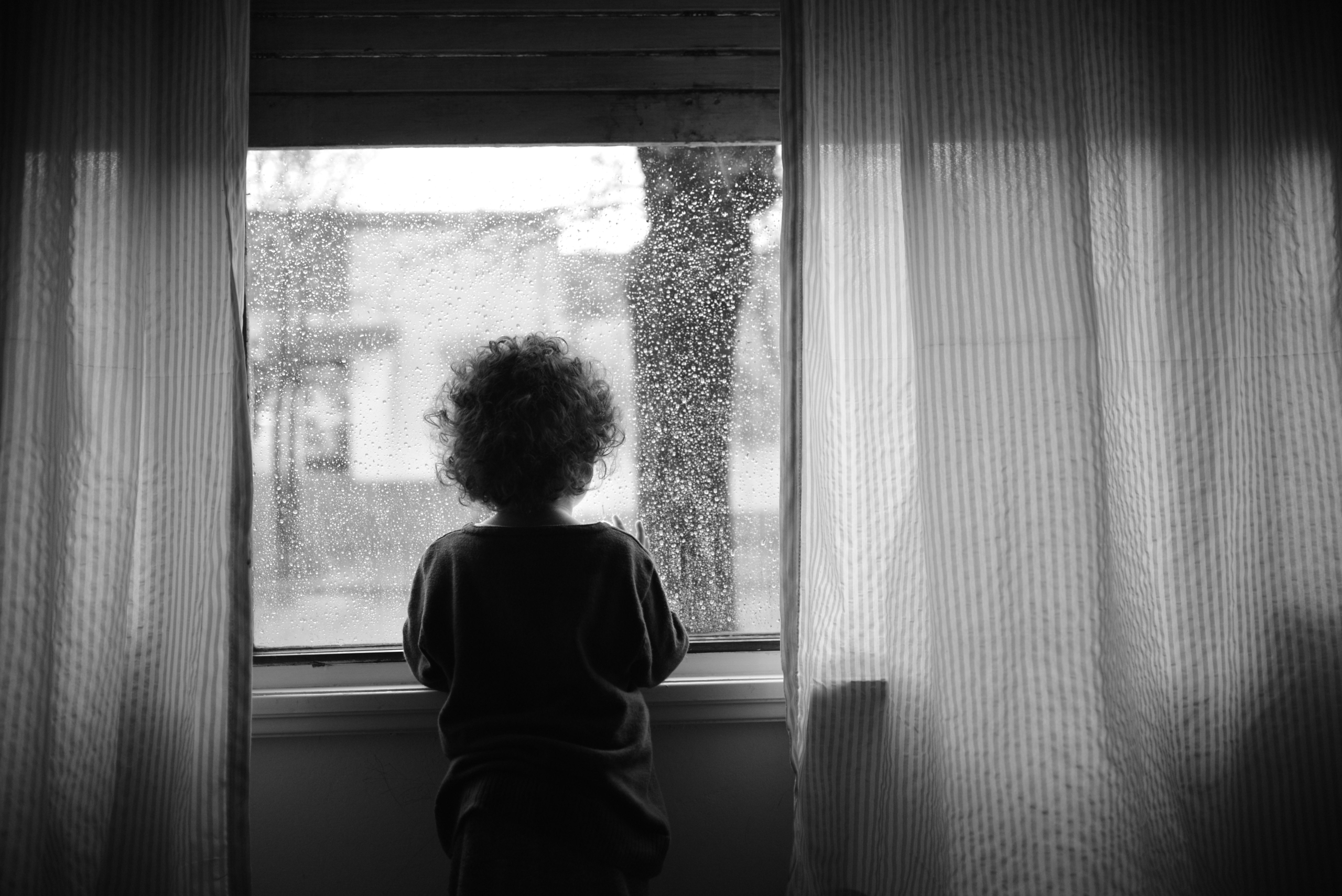
Last spring, as a Youth First Mental Health Professional working in several schools, I received several referrals to support students – of all ages – who felt nervous and worried about storms. Weather events like tornadoes, strong winds, and heavy rain can be very scary for kids, especially after hearing sirens or seeing and hearing about storm damage on the news.
As weather patterns become more unpredictable, damaging tornadoes and other severe storms are an increasing concern in Indiana. According to the Indiana Department of Homeland Security and the National Weather Service, Indiana averages about 22 tornadoes each year and has recorded over 1,500 tornadoes since 1950, resulting in thousands of injuries and many lives lost. This can increase anxiety for youth and their families.
Many students I supported last year shared common anxiety symptoms related to storms, including racing thoughts, fast heartbeat, stomachaches, trouble sleeping, fear of being separated from their families or caregivers, and difficulty focusing. Most students openly shared that they became immediately upset and fearful if they heard storm sirens or even heard someone say the word “tornado.” Even if there was no immediate weather danger, students openly reported that their bodies and minds remained on “high alert” after severe storms caused damage in and around the Tri-State area last year.
These reactions reported by students match what many youth experts describe as anxiety in children, where fear shows up in both the body and the mind. Anxiety related to storms can make some youth feel unsafe when they are away from parents or caregivers. They may need constant reassurance from trusted adults that they are safe.
Weather-related anxiety can also affect students academically. When children are worried about their own safety or that of their loved ones, it becomes harder to pay attention, remember lessons, or complete schoolwork. Some students struggle more on test days or during group activities when storms are predicted. Over time, ongoing stress can interfere with learning and classroom engagement.
Parents and caregivers play an important role in how children react to storms. While adults want to keep kids safe, repeatedly checking the weather on their phones or on the news, talking about worst-case scenarios, or showing visible fear can significantly increase a child’s anxiety. According to research by Katie A. McLaughlin, children tend to feel more distressed when their caregivers also show high levels of worry during or after severe weather events. Adults should keep in mind that children are always watching.
Social media can also raise anxiety. While it is sometimes hard to avoid constant exposure to weather-related alerts or notifications, dramatic images and nonstop coverage can make storms (or threats of potential storms) feel overwhelming. Limiting children’s access to news and offering calm, age-appropriate explanations can help reduce fear.
Another helpful way for families and schools to support students is to have a clear emergency plan for inclement weather and review it regularly. Knowing where to go, what alerts mean, and what steps to follow helps children feel more prepared, in control, and safe.
Creating a safe space for emergencies can also make a big difference. Along with usual safety items like flashlights, a radio, water, and batteries, families can include books, card games, board games, favorite stuffed animals, headphones, and snacks. These comforting items not only distract kids (and adults) but also help calm their bodies and remind them they are safe. Limiting time spent checking weather alerts, along with playing games, listening to music, or reading together, can help make stressful moments during unpredictable weather feel more manageable.
By staying calm, planning, and teaching healthy coping skills, families and schools can help students feel safer, more confident, and ready to learn—even during stormy weather.
Missy Johnson, MSW, LCSW, CTRS, is a Youth First Mental Health Professional at North Posey Jr High and North Posey High School in Posey County. Youth First, Inc., is a nonprofit dedicated to strengthening youth and families. Youth First provides over 100 highly trained mental health professionals (primarily master’s level social workers), prevention programs, parent engagement coordinators, and bilingual support personnel to 130 schools across 15 Indiana counties. Over 55,000 youth and families each year are served by Youth First’s school-based social work and community programs that promote mental health, prevent substance misuse, and maximize student success. To learn more about Youth First, visit youthfirstinc.org or call 812-421-8336.