By Lori McIntire, MSW, LCSW – May 27, 2026 –
Raising happy, healthy children is a top priority for most parents. They ensure their kids attend all their medical check-ups, provide for their basic needs, nurture and guide them, and offer emotional support, aiming to foster optimal mental and physical health in their little ones.
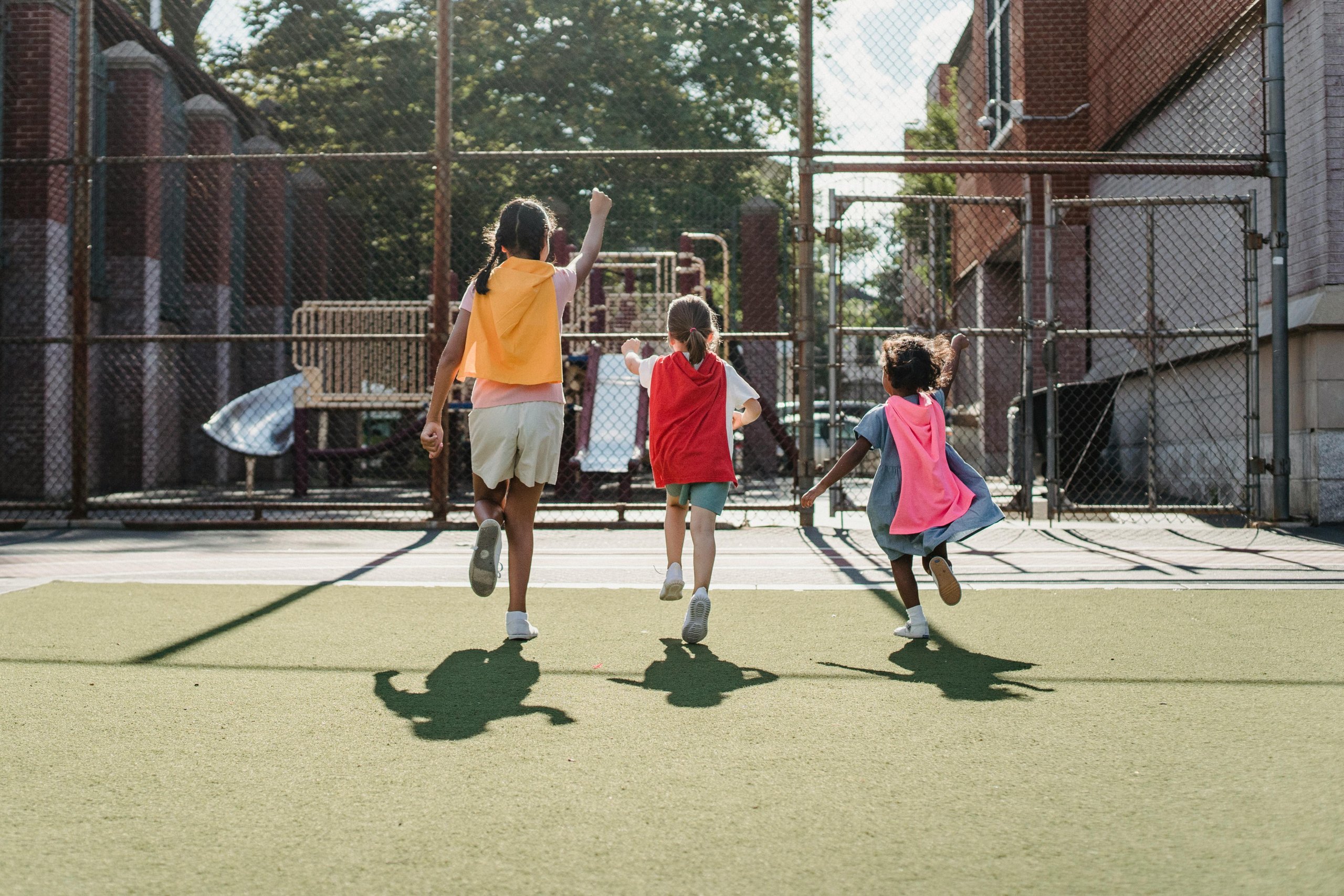
What about making sure their kids are physically active? The physical health benefits of exercise are clear: disease prevention, improved cardiovascular health, weight management, bone strengthening, and enhanced overall well-being. But we must also ask ourselves, what are the mental health benefits of routine physical activity?
We can no longer deny and must respect the mind-body connection. An intricate relationship exists between our emotions, thoughts, attitudes, and physical health. This relationship is especially important concerning child and adolescent brain development.
When we exercise, the blood flow to the brain increases, delivering more oxygen and nutrients to the brain. The chemicals produced and released during exercise act like fertilizer for brain cells, creating new neural connections and strengthening existing ones. These neural connections are responsible for memory, learning, and emotional regulation. Dr Sarah Thompson, pediatric neurologist, explains it simply: “When kids exercise, their brains become more flexible and resilient. It is like giving their minds a playground to grow and develop.”
In today’s world, children face numerous stressors, including academic pressures, family-related issues, and social challenges. However, according to Katrina Starr, PhD, there is a growing body of evidence suggesting that exercise helps relieve symptoms of common childhood mental health conditions, including anxiety, depression, and ADHD. Exercise can also serve as a protective factor against stress by enhancing the brain’s resilience to it.
Exercise triggers three important brain chemicals known as neurotransmitters: endorphins (mood elevators), serotonin (happiness hormone), and dopamine (motivation/rewards). This natural brain boost explains why children often feel more focused, calm, and happy after physical activity. According to recent research, active children typically demonstrate better focus in class, stronger memory retention, and improved problem-solving abilities. Therefore, disciplining children by removing recess breaks may prove to be counterproductive. In addition, parents should also consider movement breaks after school before asking children to sit down to tackle homework.
To expand, cardio exercise can be especially beneficial for youth who are diagnosed with ADHD (attention deficit hyperactivity disorder). Exercise can improve focus, retention, executive functioning, and decrease impulsivity. Those with ADHD may also function better in social situations, allowing them to make and retain friendships more easily. Structured activities like martial arts, swimming, and team sports that highlight individual performance, like track and field, can be helpful in this population.
In addition to increasing the happiness hormones, exercise also decreases the stress hormone, cortisol, and reduces anxiety. Exercise can also decrease depression symptoms by distracting the child from negative thoughts and self-talk. Exercise can also increase self-confidence. For example, mastering new skills like jumping rope, landing a back handspring, or throwing a spiral football pass can create a sense of accomplishment and satisfaction. Exercise can be a good source of social support if kids are engaged in a team sport, a group class, or have an exercise buddy.
As parents, we have the power to shape our children’s views of exercise and fitness. It is important to be positive role models and create opportunities to move with your child. It is not necessary to develop a complicated, expensive fitness plan for your family. Start by choosing one physical activity to try with your child this week. Go for a walk, have a scavenger hunt in the park, ride a bike, shoot hoops, or play a game of catch. You might find you notice improvement in your mental health, too!
Lori McIntire, MSW, LCSW, is a Youth First Mental Health Professional at Westside Catholic School (St. Agnes and St. Boniface campuses) in Vanderburgh County. Youth First, Inc., is a nonprofit dedicated to strengthening youth and families. Youth First provides over 100 highly trained mental health professionals (primarily master’s level social workers), prevention programs, parent engagement coordinators, and bilingual support personnel to 130 schools across 14 Indiana counties. Over 55,000 youth and families each year are served by Youth First’s school-based social work and community programs that promote mental health, prevent substance misuse, and maximize student success. To learn more about Youth First, visit youthfirstinc.org or call 812-421-8336.