• Español Familias
Youth First
  • About
    • Who We Are
      • Mission, Vision & Values
      • Outcomes & Impact
      • Stories of Change
      • History
      • Staff
      • Youth First Mental Health Professionals
      • Board of Directors
      • Leading Sponsors
      • Careers
    • Where We Are
      • Catholic Diocese of Evansville
      • Daviess
      • Dubois
      • Gibson
      • Greene
      • Knox
      • Lawrence
      • Martin
      • Morgan
      • Orange
      • Perry
      • Posey
      • Spencer
      • Vanderburgh
      • Warrick
  • Programs
    • For Schools & Students
      • Youth First Mental Health Professionals
      • Al’s Pals
      • C.A.S.T.
      • LifeSkills Training
      • Reconnecting Youth
      • Teen Series
      • Tween Series
      • WhyTry
    • For Families & Youth
      • Camp Memories
      • Family First
      • Family First Foundations
      • In It to Win It
    • For Communities
      • Talk – They Hear You
      • The Truth Is
  • Resources
    • Resiliency Resources
    • Advice from Our Professionals
    • Other Helpful Resources
  • News
    • Newsletter
    • News Releases
  • Events
    • Calendar of Events/Programs
    • Youth First Warrick County Golf Scramble
    • Youth First Breakfast of Champions
    • Youth First Benefit Auction
  • Careers
  • Contact
  • Support
    • Donate
    • Volunteer
  • Click to open the search input field Click to open the search input field Search
  • Menu Menu
  • Link to Facebook
  • Link to Instagram
  • Link to Youtube
  • Link to LinkedIn

Prepare Your Child for Kindergarten this Summer

All Posts, Counties, Youth First Blog

By Tiffany Austin, MSW, LSW – June 24, 2026 –

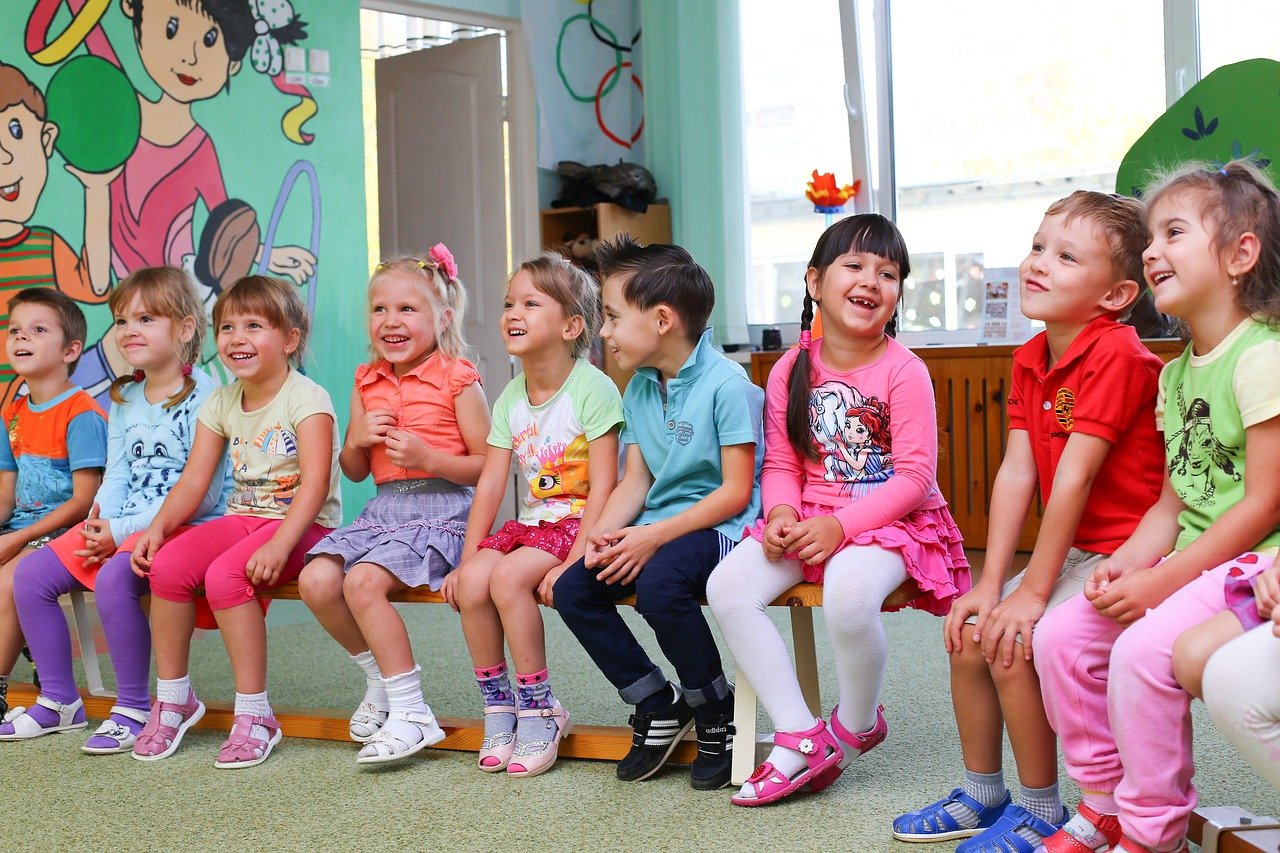
Summer always seems to fly by. Before long, August arrives and a new school year begins. For incoming kindergarteners and their families, this milestone can bring a mix of excitement and nervousness. While children may look forward to new experiences, parents and caregivers often wonder how to best prepare them for this important transition.

The following are five ways families can help children prepare for kindergarten this summer:

  1. Maintain a Regular Schedule. The school day is very structured, with set time frames for different subjects, activities and events. Adjusting to this level of routine can be challenging for some children. Establishing a consistent daily schedule at home can help children become more comfortable with routines and expectations. While a home schedule may not mirror the school day exactly, it can reinforce the idea that specific times are set aside for specific activities and responsibilities.
  2. Encourage Independence. Children at this age take great pride in completing tasks on their own. Encouraging independence through everyday tasks can build self-confidence and help children feel prepared for kindergarten. Practice skills such as putting on shoes, zipping jackets, packing a backpack, and opening lunch items. Creating a simple checklist for leaving the house can also help children develop self-help skills. Tasks might include using the restroom, putting on shoes, fastening a seatbelt, and gathering belongings.
  3. Read Books about Kindergarten. Reading books about starting kindergarten is a great way to prepare children for this new experience. Many books explore common feelings associated with the first day of school, including excitement, curiosity, and nervousness. These stories help children understand that their emotions are normal and shared by others. Reading together also creates opportunities for parents/caregivers to answer questions, discuss concerns, and introduce healthy coping strategies. These conversations can help ease anxiety and build confidence before school begins.
  4. Focus on Social Skills. Kindergarten requires children to interact with peers, follow group expectations, and build new relationships. Providing opportunities for your child to play with others can help strengthen important social skills. Whether through playdates, family gatherings, community activities, or visits to the park, children can practice sharing, taking turns, cooperating, resolving conflicts, and using good manners. These experiences help children gain confidence in social settings and prepare them for success in the classroom.
  5. Practice the School Morning Routine. A few weeks before school starts, begin practicing the morning routine your child will follow during the school year. Gradually adjust bedtimes and wake-up times to align with the school schedule. It can also be helpful to familiarize your child with the trip to school by driving the route and pointing out where they will enter the building. Practicing these routines ahead of time can reduce anxiety and help children feel more comfortable on the first day.

Kindergarten is an exciting milestone filled with opportunities for learning, growth, and new friendships. By taking time to practice these five strategies, families can help children approach the first day with greater confidence and enthusiasm. While some nervousness is natural, preparation can make the transition smoother for both children and parents/caregivers. If you have concerns about your child’s adjustment to school, please reach out to your school’s Youth First Mental Health Professional or school counselor for support and guidance.

Tiffany Austin, MSW, LSW, is a Youth First Mental Health Professional at Glenwood Leadership Academy in Vanderburgh County. Youth First, Inc., is a nonprofit dedicated to strengthening youth and families. Youth First provides over 100 highly trained mental health professionals (primarily master’s level social workers), prevention programs, parent engagement coordinators, and bilingual support personnel to 130 schools across 14 Indiana counties. Over 55,000 youth and families each year are served by Youth First’s school-based social work and community programs that promote mental health, prevent substance misuse, and maximize student success. To learn more about Youth First, visit youthfirstinc.org or call 812-421-8336.

 

June 24, 2026/by Youth First
https://youthfirstinc.org/wp-content/uploads/2020/07/kids-in-kindergarten-e1602020248267.jpg 686 1030 Youth First https://youthfirstinc.org/wp-content/uploads/2017/06/340x156_YouthFirst_logo_color-300x138.png Youth First2026-06-24 11:21:072026-06-24 11:22:31Prepare Your Child for Kindergarten this Summer

Dealing with Anger: How to Help Your Child

All Posts, Counties, Youth First Blog

By Leah Doughty, LMHC – June 11, 2026 –

Anger can feel scary for both parents and children, especially if you don’t know how to talk about it or handle it healthily. Many parents think that if they do everything “right,” their child won’t have a problem with anger. But that isn’t realistic. All children feel many emotions, including anger, no matter how loving or supportive their parents are.

Childhood is full of fun, but it can also be hard. Children often feel confused, scared, or frustrated because they have little control over their lives. As they grow, hormones, school pressure, and activities can add even more stress. All of this can lead to anger.

Anger is a normal feeling that everyone has and does not make your child a “bad” child. Your job isn’t to stop your child from feeling angry. Your job is to help them learn safe and healthy ways to handle it.

Ways You Can Help Your Child Deal with Anger:

  1. Stay Calm. When your child is very angry, try to stay calm—even when it’s hard. When you stay calm, you help prevent the situation from getting worse. You are also teaching your child how to handle big feelings by showing them what it looks like.
  2. Let Your Child Know You Understand. If your child is angry, there is usually a reason. Let them know you see how they feel. You can say something simple like, “I can see how upset you are.” This works better than saying, “Calm down” or “It’s not a big deal.” When children feel understood, they are more likely to calm down and talk.
  3. Identify the Cause. Work with the child to understand what triggers their anger. Is it a feeling of being unsafe, controlled, or tired? Helping them identify the root cause fosters self-awareness.
  4. Help Them Get the Anger Out Safely. Help your child release their anger in healthy ways.
  • Young children might draw pictures of how they feel.
  • Older children may need to run, jump, or play outside.
  • Teenagers might like lifting weights or going for a walk.
  • Squeezing stress balls or popping bubble wrap can also help and can even lighten the mood.

Anger is part of life. Try not to shame your child for feeling angry, and don’t blame yourself as a parent. Anger happens to everyone. What matters is helping your child learn how to handle it safely and positively.

Some children struggle more with anger than others. This can happen because of big life changes, such as divorce, the loss of a loved one, or living with adults who have trouble managing their own anger. This does not mean you have failed as a parent. It means your family may need extra support. If your child’s anger feels hard to manage, talking to a professional can help. A good first step is to ask your child’s pediatrician for support and resources.

Leah Doughty, LMHC, is a Youth First Mental Health Professional at Mt. Vernon High School in Posey County. Youth First, Inc., is a nonprofit dedicated to strengthening youth and families. Youth First provides over 100 highly trained mental health professionals (primarily master’s level social workers), prevention programs, parent engagement coordinators, and bilingual support personnel to 130 schools across 14 Indiana counties. Over 55,000 youth and families each year are served by Youth First’s school-based social work and community programs that promote mental health, prevent substance misuse, and maximize student success. To learn more about Youth First, visit youthfirstinc.org or call 812-421-8336.

June 17, 2026/by Youth First
https://youthfirstinc.org/wp-content/uploads/2026/06/Angry-Asian-child-scaled.jpg 2560 1707 Youth First https://youthfirstinc.org/wp-content/uploads/2017/06/340x156_YouthFirst_logo_color-300x138.png Youth First2026-06-17 08:00:442026-06-11 13:09:28Dealing with Anger: How to Help Your Child

Community Good Grants Awarded to Youth First, Inc.

All Posts, Counties, News Release, Youth First Blog

Grants to Provide Mental Health Support for Vanderburgh and Warrick County Students

June 10, 2026

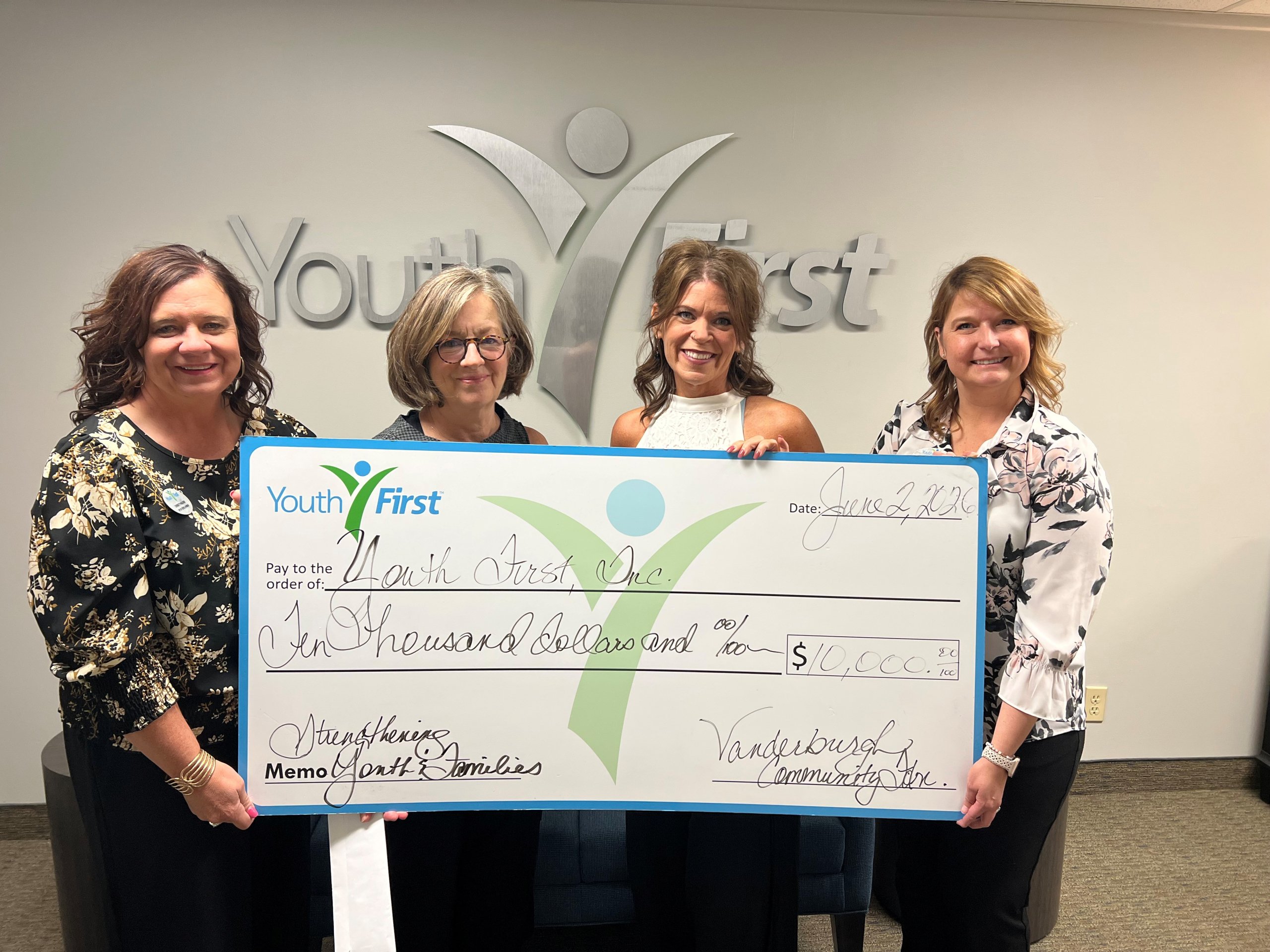
(Evansville, IN) Youth First is celebrating a $10,000 Community Good Grant from the Vanderburgh Community Foundation and a $15,000 Community Good Grant from the Warrick County Community Foundation. This funding will strengthen the mental health and well-being of students in 32 Youth First partner schools in Vanderburgh County and 13 Youth First partner schools in Warrick County.

These grants will enable Youth First to provide its school-based student assistance program and family and community prevention programs to help students build valuable life skills and healthy mindsets as they grow into thriving adults and enter the workforce.

Youth First embeds highly trained mental health professionals in school buildings and partners with over 130 schools across 14 Indiana counties. Youth First Mental Health Professionals build caring relationships, promote healthy choices, foster readiness for positive change, and boost resiliency, along with other valuable life skills.

“Every grant we make is a testament to the power of local philanthropy,” said Alysia Rhinefort, Community Impact Director. Our donors make it possible for the Community Foundation to invest in organizations like Youth First that are improving lives and strengthening our community. We are honored to steward these resources and help turn generosity into meaningful impact.”

Youth First President & CEO Holli Sullivan shared, “Our kids and families are dealing with busier schedules, greater stress and more complex challenges than ever. That’s why it’s so important to have easy access to skilled mental health support and prevention programs in school buildings, where students, parents, and teachers can take full advantage of it. We are grateful for a partnership with the Community Foundation to build strong futures for kids.”

###

About Youth First, Inc.:

Youth First, Inc. is a nonprofit dedicated to strengthening youth and families. Youth First provides prevention programs and over 100 highly trained mental health professionals (primarily master’s level social workers), parent engagement coordinators, and bilingual support personnel who assess needs, develop and implement prevention plans, and connect students and their families to vital resources in 130 schools across 14 Indiana counties. Over 55,000 youth and families per year are served by Youth First’s school-based student assistance program and community programs that promote mental health, prevent substance misuse, and maximize student success. To learn more about Youth First, visit youthfirstinc.org or call 812-421-8336.

About the Community Foundation:

The Community Foundation connects people, ideas, and resources to strengthen communities, today and for generations to come. Since its founding, the Foundation has directed nearly $80 million in grants to local nonprofits, supported scholarships for students, and invested in programs that make the region stronger, healthier, and more resilient. As a trusted convener and philanthropic leader, it works alongside donors, nonprofits, civic partners, and community members to address shared challenges and create lasting impact across Southwest Indiana.


June 10, 2026/by Youth First
https://youthfirstinc.org/wp-content/uploads/2026/06/Vanderburgh-Community-Foundation-2026-scaled.jpg 1920 2560 Youth First https://youthfirstinc.org/wp-content/uploads/2017/06/340x156_YouthFirst_logo_color-300x138.png Youth First2026-06-10 13:27:282026-06-10 13:27:28Community Good Grants Awarded to Youth First, Inc.

It’s Important to Help Children Identify Their Feelings

All Posts, Counties, Youth First Blog

By Madelynn Wood, BSW – June 10, 2026 –

Emotional development is an important part of a child’s overall growth, yet it is often overlooked in comparison to physical and academic milestones. A key aspect of emotional development is the ability to recognize, understand, and identify emotions. This skill, known as emotional literacy, plays a vital role in a child’s well-being by supporting healthy relationships, improving problem-solving abilities, and promoting positive mental health.

Children experience a wide range of emotions, but they cannot always communicate what they are feeling. As a result, they may express their emotions through behaviors such as crying, screaming, withdrawing from others, or becoming uncooperative. These reactions often occur because children lack the vocabulary needed to describe their feelings and have not yet developed effective coping skills.

Teaching children to recognize and understand their emotions can help them develop essential life skills. One of the most important is self-awareness, a key component of emotional intelligence. According to Mental Health America, emotional intelligence is the ability to recognize, understand, and manage one’s own emotions, as well as those of others. Developing emotional intelligence can help children build stronger relationships, perform better academically, and maintain positive mental health.

Labeling emotions also helps children develop self-control and regulate their feelings in healthy ways. When children are encouraged to identify and explain their emotions, they gain a better understanding of their emotional responses. For example, allowing a child to name how they are feeling and discuss why they feel that way promotes self-awareness and emotional regulation. In my role as a social work intern with Youth First, we use “I-statements” to help children identify and express their feelings. This approach encourages reflection and helps children understand the situations that triggered their emotions, which is essential for developing self-regulation skills.

Understanding emotions can also help children develop empathy. When children recognize and understand their own feelings, they become better equipped to identify and respond to the emotions of others. This emotional awareness encourages children to consider different perspectives and fosters respectful, compassionate interactions. As a result, they are more likely to build positive relationships and communicate effectively with those around them.

Parents and guardians play a critical role in supporting emotional development. One of the most important steps is creating a warm and supportive environment where children feel safe expressing their thoughts and feelings. Parents can help children develop emotional literacy by teaching them to recognize and label emotions, pay attention to facial expressions and body language, and connect emotions to physical sensations. Asking questions such as, “When you feel scared, where do you feel it in your body?” can help children better understand their emotional experiences.

Parents can also encourage emotional learning through activities such as reading books, watching movies, playing feeling charades, and using emotion-themed coloring sheets. These activities provide opportunities for children to explore and discuss emotions in engaging ways. Additionally, parents should model healthy emotional expression by practicing active listening, communicating feelings appropriately, and responding to others with empathy.

Children who learn to recognize and understand their emotions are more likely to develop healthy coping skills, regulate their emotional responses, and build positive relationships. They are also better prepared to handle conflict, overcome challenges, and demonstrate resilience. Emotional literacy is a lifelong skill that supports social and emotional well-being. By helping children develop this skill early in life, parents and guardians can provide a strong foundation for future success and overall well-being.

Madelynn Wood was a Youth First MSW Intern at Cynthia Heights Elementary School in Vanderburgh County. Youth First, Inc., is a nonprofit dedicated to strengthening youth and families. Youth First provides over 100 highly trained mental health professionals (primarily master’s level social workers), prevention programs, parent engagement coordinators, and bilingual support personnel to 130 schools across 14 Indiana counties. Over 55,000 youth and families each year are served by Youth First’s school-based social work and community programs that promote mental health, prevent substance misuse, and maximize student success. To learn more about Youth First, visit youthfirstinc.org or call 812-421-8336.

 

June 10, 2026/by Youth First
https://youthfirstinc.org/wp-content/uploads/2026/06/Angry-AA-boy-scaled.jpg 1707 2560 Youth First https://youthfirstinc.org/wp-content/uploads/2017/06/340x156_YouthFirst_logo_color-300x138.png Youth First2026-06-10 11:02:422026-06-10 11:02:42It’s Important to Help Children Identify Their Feelings

Marijuana Use: Understand the Risks

All Posts, Counties, Youth First Blog

By Jacob Bambenek – June 3, 2026 –

According to data collected in 2022 by the Centers for Disease Control and Prevention (CDC), 30.7% of teens reported using cannabis at least once, and 6.3% reported daily use within the previous 30 days. For educators, parents, and other adults who work closely with young people, these statistics reflect a growing concern. As more states legalize cannabis for medicinal and recreational purposes, its use is likely to become increasingly common, including among adolescents.

Although many people view marijuana as a means of relieving stress or managing certain medical conditions, its effects and risks are more complex than they are often portrayed. While cannabis is increasingly being studied and used to help manage conditions such as chronic pain, research on its long-term effects continues to evolve. Evidence cited by the CDC has linked cannabis use to a variety of potential adverse outcomes, including impaired cognitive functioning and an increased risk of mental health conditions such as anxiety and depression.

Cannabis is not generally considered as physically addictive as some other substances, but regular use can still lead to dependence. In fact, a study published in JAMA (Journal of the American Medical Association) Psychiatry found that approximately three in ten people who use marijuana develop cannabis use disorder. Given these risks, it is important to approach discussions about cannabis with a balanced understanding of both its potential benefits and potential harms.

Whether it is a family member, student, friend, or neighbor, chances are you know at least one teenager who has experimented with or regularly uses marijuana. This raises an important question: how can adults help address this growing concern? One of the most effective tools available is education. Providing adolescents with accurate, evidence-based information empowers them to make informed decisions about their health and well-being. Because cannabis research continues to evolve, misconceptions and conflicting messages are common, making thoughtful, fact-based discussions especially important.

Education alone, however, is not enough. Adolescents also need access to strong support systems. Whether they are struggling with marijuana use themselves or are affected by the substance use of family members or peers, young people benefit from guidance, encouragement, and access to resources. Increased awareness of the potential consequences of marijuana use can serve as a protective factor, while supportive relationships can help ensure that no young person faces these challenges alone.

Many adolescents turn to substances such as marijuana to cope with stress, anxiety, social pressures, or other personal challenges. To promote long-term well-being, it is important to help them develop healthier and more sustainable coping strategies. Counseling, mentorship programs, peer support groups, and other positive resources can provide constructive alternatives that foster resilience and encourage healthier lifestyle choices.

While support from family members, educators, and community members is important, some situations require more direct intervention. In cases involving cannabis use disorder or other significant substance-related challenges, professional treatment, counseling, and specialized support services may be necessary. The CDC provides educational resources that outline the potential risks associated with cannabis use, and organizations such as Marijuana Anonymous offer support and recovery programs for individuals seeking help. They can be reached at 1-800-766-6779 for information about local meetings and recovery resources.

As marijuana use becomes more common, open communication, accurate information, and accessible support systems will play a critical role in helping young people make healthy decisions and achieve long-term success.

Jacob Bambenek was a Youth First MSW Intern last semester at Harrison High School in Vanderburgh County. Youth First, Inc., is a nonprofit dedicated to strengthening youth and families. Youth First provides over 100 highly trained mental health professionals (primarily master’s level social workers), prevention programs, parent engagement coordinators, and bilingual support personnel to 130 schools across 14 Indiana counties. Over 55,000 youth and families each year are served by Youth First’s school-based social work and community programs that promote mental health, prevent substance misuse, and maximize student success. To learn more about Youth First, visit youthfirstinc.org or call 812-421-8336.


June 3, 2026/by Youth First
https://youthfirstinc.org/wp-content/uploads/2026/06/Teens-smoking-marijuana-scaled.jpg 1709 2560 Youth First https://youthfirstinc.org/wp-content/uploads/2017/06/340x156_YouthFirst_logo_color-300x138.png Youth First2026-06-03 16:46:542026-06-03 16:50:10Marijuana Use: Understand the Risks
Search Search

Topics

  • Youth First to Honor Carol Lynch as 2026 Dr. William Wooten ChampionJuly 23, 2026 - 3:11 pm
  • How to Help Your Kids Make Good DecisionsJuly 22, 2026 - 2:22 pm
  • Youth First Receives $40,000 Award from CenterPoint Energy FoundationJuly 16, 2026 - 9:34 am
  • Establishing a Smooth Transition from Home to SchoolJuly 15, 2026 - 2:16 pm
  • Promoting Patience in a Fast-Moving WorldJuly 8, 2026 - 2:33 pm

Support Youth First

Help protect and heal the hearts of children by supporting Youth First!

Donate

Where to find us

111 SE Third Street, Suite 405
Evansville, IN 47708

Mon–Fri: 8:00–5:00
Sat–Sun: Closed

Get In Touch

812-421-8336

Contact
Copyright © 2026 Youth First, Inc. | Website by Media Mix
  • Website designed by Media Mix Advertising
  • Privacy Policy
Scroll to top Scroll to top Scroll to top