
By Madelynn Wood, BSW – June 10, 2026 –
Emotional development is an important part of a child’s overall growth, yet it is often overlooked in comparison to physical and academic milestones. A key aspect of emotional development is the ability to recognize, understand, and identify emotions. This skill, known as emotional literacy, plays a vital role in a child’s well-being by supporting healthy relationships, improving problem-solving abilities, and promoting positive mental health.
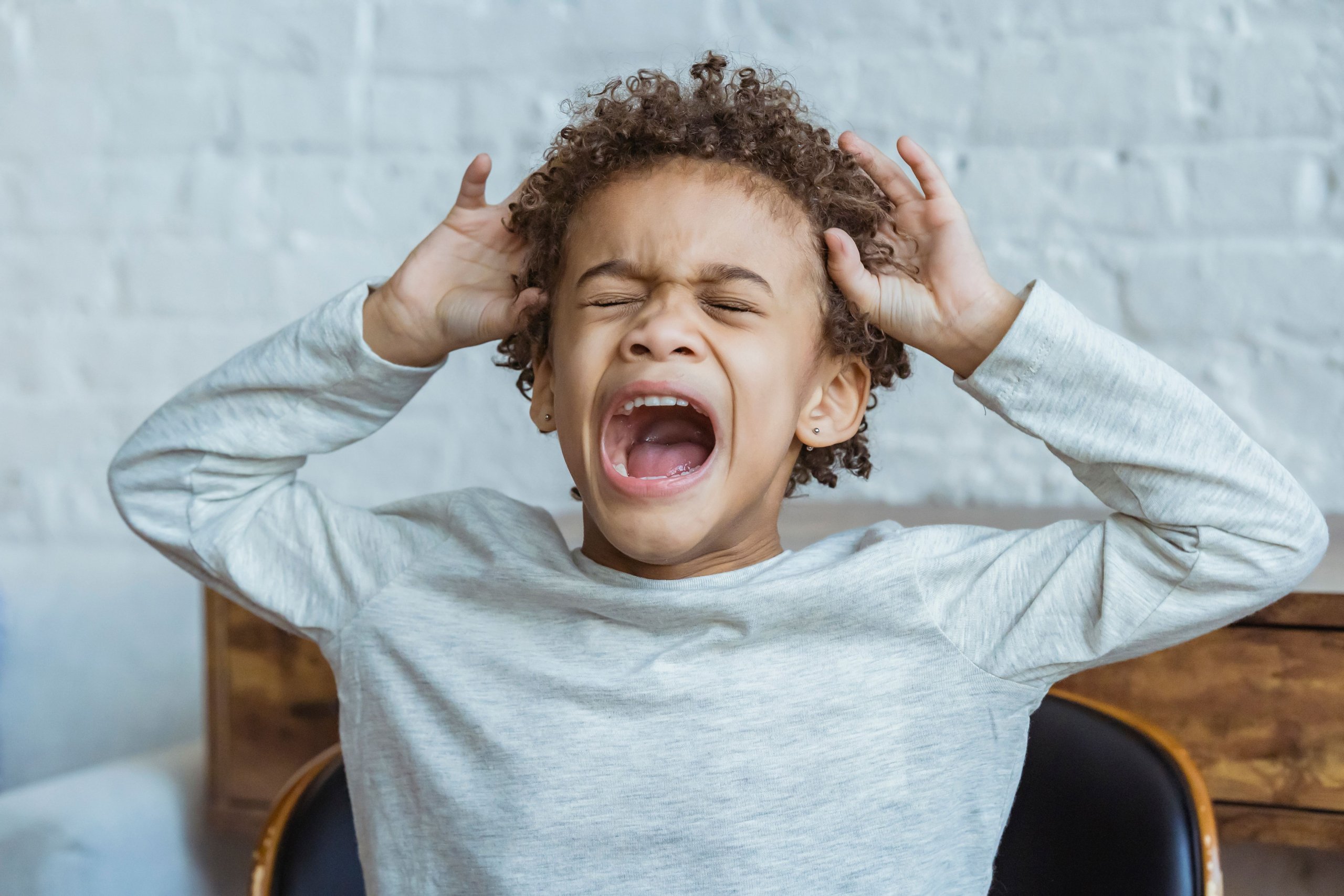
Children experience a wide range of emotions, but they cannot always communicate what they are feeling. As a result, they may express their emotions through behaviors such as crying, screaming, withdrawing from others, or becoming uncooperative. These reactions often occur because children lack the vocabulary needed to describe their feelings and have not yet developed effective coping skills.
Teaching children to recognize and understand their emotions can help them develop essential life skills. One of the most important is self-awareness, a key component of emotional intelligence. According to Mental Health America, emotional intelligence is the ability to recognize, understand, and manage one’s own emotions, as well as those of others. Developing emotional intelligence can help children build stronger relationships, perform better academically, and maintain positive mental health.
Labeling emotions also helps children develop self-control and regulate their feelings in healthy ways. When children are encouraged to identify and explain their emotions, they gain a better understanding of their emotional responses. For example, allowing a child to name how they are feeling and discuss why they feel that way promotes self-awareness and emotional regulation. In my role as a social work intern with Youth First, we use “I-statements” to help children identify and express their feelings. This approach encourages reflection and helps children understand the situations that triggered their emotions, which is essential for developing self-regulation skills.
Understanding emotions can also help children develop empathy. When children recognize and understand their own feelings, they become better equipped to identify and respond to the emotions of others. This emotional awareness encourages children to consider different perspectives and fosters respectful, compassionate interactions. As a result, they are more likely to build positive relationships and communicate effectively with those around them.
Parents and guardians play a critical role in supporting emotional development. One of the most important steps is creating a warm and supportive environment where children feel safe expressing their thoughts and feelings. Parents can help children develop emotional literacy by teaching them to recognize and label emotions, pay attention to facial expressions and body language, and connect emotions to physical sensations. Asking questions such as, “When you feel scared, where do you feel it in your body?” can help children better understand their emotional experiences.
Parents can also encourage emotional learning through activities such as reading books, watching movies, playing feeling charades, and using emotion-themed coloring sheets. These activities provide opportunities for children to explore and discuss emotions in engaging ways. Additionally, parents should model healthy emotional expression by practicing active listening, communicating feelings appropriately, and responding to others with empathy.
Children who learn to recognize and understand their emotions are more likely to develop healthy coping skills, regulate their emotional responses, and build positive relationships. They are also better prepared to handle conflict, overcome challenges, and demonstrate resilience. Emotional literacy is a lifelong skill that supports social and emotional well-being. By helping children develop this skill early in life, parents and guardians can provide a strong foundation for future success and overall well-being.
Madelynn Wood was a Youth First MSW Intern at Cynthia Heights Elementary School in Vanderburgh County. Youth First, Inc., is a nonprofit dedicated to strengthening youth and families. Youth First provides over 100 highly trained mental health professionals (primarily master’s level social workers), prevention programs, parent engagement coordinators, and bilingual support personnel to 130 schools across 14 Indiana counties. Over 55,000 youth and families each year are served by Youth First’s school-based social work and community programs that promote mental health, prevent substance misuse, and maximize student success. To learn more about Youth First, visit youthfirstinc.org or call 812-421-8336.