
By Emily Bernhardt, MSW, LCSW – July 8, 2026 –
Patience is a virtue. Good things come to those who wait. There are so many phrases we have heard time and time again that emphasize the importance of patience. Yet, even if we agree that being patient is important, it can be so hard to practice.
For a long time, I thought patience was a personality trait you were born with, like how some people are born funny or athletic. However, I have realized that patience can be learned, and though it may be hard, some practices help strengthen our ability to be patient.
Why should we make the change? You may be thinking, “I’m 40 years old – why should I make this change now after all this time?” Of course, being patient helps us strengthen and maintain our relationships, but it also offers health benefits. Patience supports our mental health and well-being; it helps us reach personal goals, is linked to hopefulness and positive outlooks, and is also associated with better outcomes. People who are patient report fewer health problems such as headaches, acne, ulcers, diarrhea, and pneumonia. Sign me up!
So now you may be thinking, “Okay fine, that sounds great, but how? I’ve tried being patient, and it just doesn’t come naturally to me.” There are many ways to practice patience and improve. Give yourself time and grace, because like any skill, it takes time. No one would expect to become a basketball star overnight, and learning a new skill such as patience is no different. It may take time, but it is possible.
One skill that you can incorporate to practice patience is mindfulness. Mindfulness is staying in the present moment. Think of it like “mind full” vs. mindful. When our mind is full of overwhelming thoughts or a checklist of future things we need to do, it is harder to stay patient in the present moment. Some examples of mindfulness include taking time for meditation, keeping a journal, or practicing breathing techniques.
Another skill that is helpful when our patience is thin is acknowledging what we can and cannot control. If your house is messy and there’s a long list of things adding to your stress, sit down and find time to knock things out on the to-do list. That is something in your control. However, if you have errands to run and you know there’s going to be a long line at the grocery store or heavy traffic to drive through—that’s not in your control. Sometimes just recognizing what is out of our control shifts our mindset. And is there a way you can put a positive spin on those situations? Try listening to a positive podcast or uplifting music while you wait.
Here is one last skill that will help build your tolerance for life’s setbacks. If you can practice patience with smaller setbacks that come your way, you will be able to handle the bigger ones much more easily. It’s okay to slow down in general, which can help you stay patient in other situations. Small ways you can practice include letting a car go in front of you in traffic, letting people get in front of you in line, trying a new hobby that promotes patience (like knitting), and ignoring notifications on your phone for at least a few minutes.
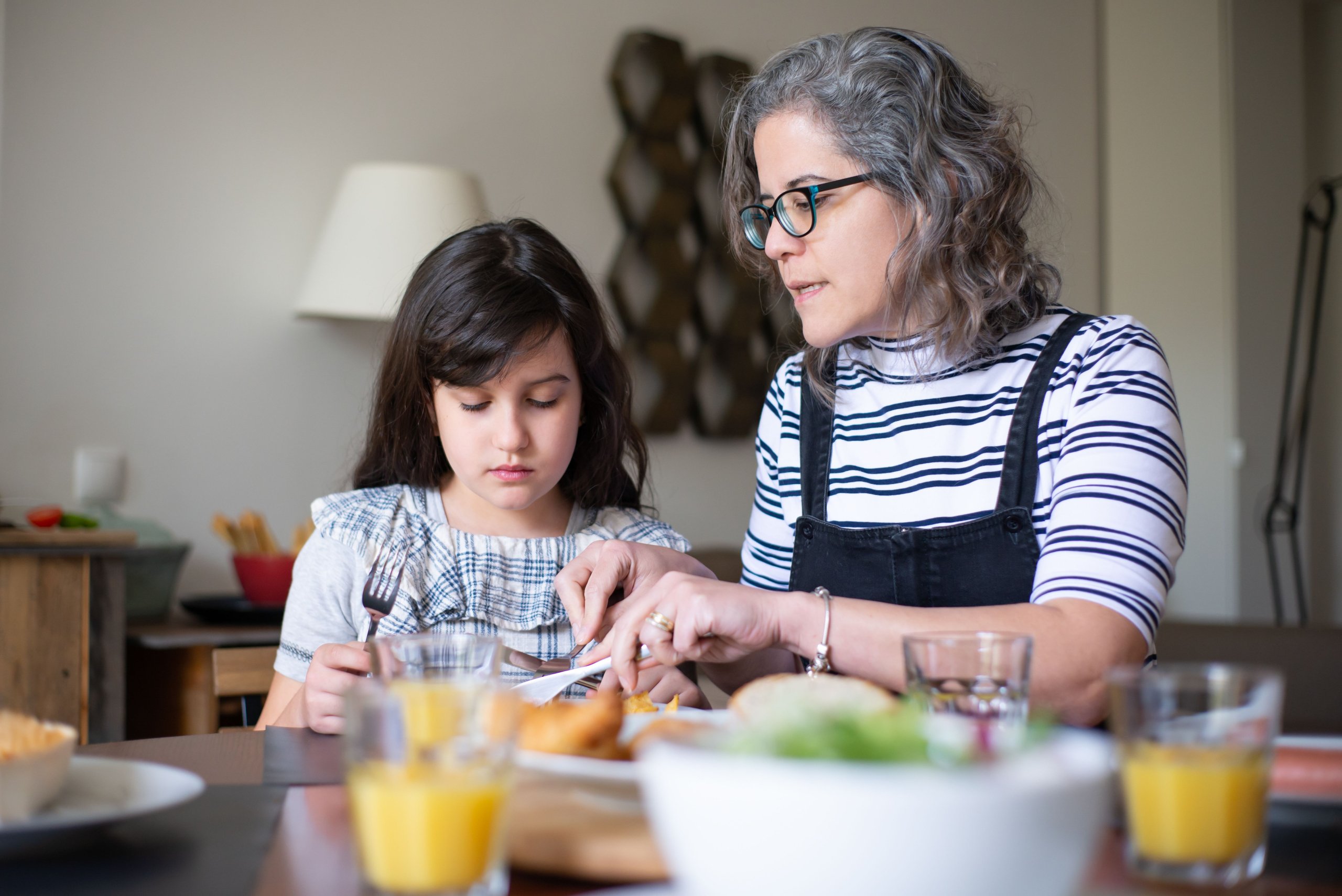
Like all skills, learning patience takes time. However, the more we incorporate it into the small moments of everyday life, the more likely we will be to reach for that skill in the bigger moments. Not only will it benefit your mental and physical health, but it is also important to model this skill for our children and other important relationships around us. When our children see us keep our cool in a stressful situation, we show them that this is possible for them too.
Emily Bernhardt, MSW, LCSW, is a Youth First Mental Health Professional at Signature School in Vanderburgh County. Youth First, Inc., is a nonprofit dedicated to strengthening youth and families. Youth First provides over 100 highly trained mental health professionals (primarily master’s level social workers), prevention programs, parent engagement coordinators, and bilingual support personnel to 130 schools across 14 Indiana counties. Over 55,000 youth and families each year are served by Youth First’s school-based social work and community programs that promote mental health, prevent substance misuse, and maximize student success. To learn more about Youth First, visit youthfirstinc.org or call 812-421-8336.