• Español Familias
Youth First
  • About
    • Who We Are
      • Mission, Vision & Values
      • Outcomes & Impact
      • Stories of Change
      • History
      • Staff
      • Youth First Mental Health Professionals
      • Board of Directors
      • Leading Sponsors
      • Careers
    • Where We Are
      • Catholic Diocese of Evansville
      • Daviess
      • Dubois
      • Gibson
      • Greene
      • Knox
      • Lawrence
      • Martin
      • Morgan
      • Orange
      • Perry
      • Posey
      • Spencer
      • Vanderburgh
      • Warrick
  • Programs
    • For Schools & Students
      • Youth First Mental Health Professionals
      • Al’s Pals
      • C.A.S.T.
      • LifeSkills Training
      • Reconnecting Youth
      • Teen Series
      • Tween Series
      • WhyTry
    • For Families & Youth
      • Camp Memories
      • Family First
      • Family First Foundations
      • In It to Win It
    • For Communities
      • Talk – They Hear You
      • The Truth Is
  • Resources
    • Resiliency Resources
    • Advice from Our Professionals
    • Other Helpful Resources
  • News
    • Newsletter
    • News Releases
  • Events
    • Calendar of Events/Programs
    • Youth First Warrick County Golf Scramble
    • Youth First Breakfast of Champions
    • Youth First Benefit Auction
  • Careers
  • Contact
  • Support
    • Donate
    • Volunteer
  • Click to open the search input field Click to open the search input field Search
  • Menu Menu
  • Link to Facebook
  • Link to Instagram
  • Link to Youtube
  • Link to LinkedIn

Tag Archive for: Natasha Goodge

Teaching Your Child to State Their Opinion in a Thoughtful Manner

All Posts, Counties, Youth First Blog

By Natasha Goodge, MSW, LSW – March 17, 2025 –
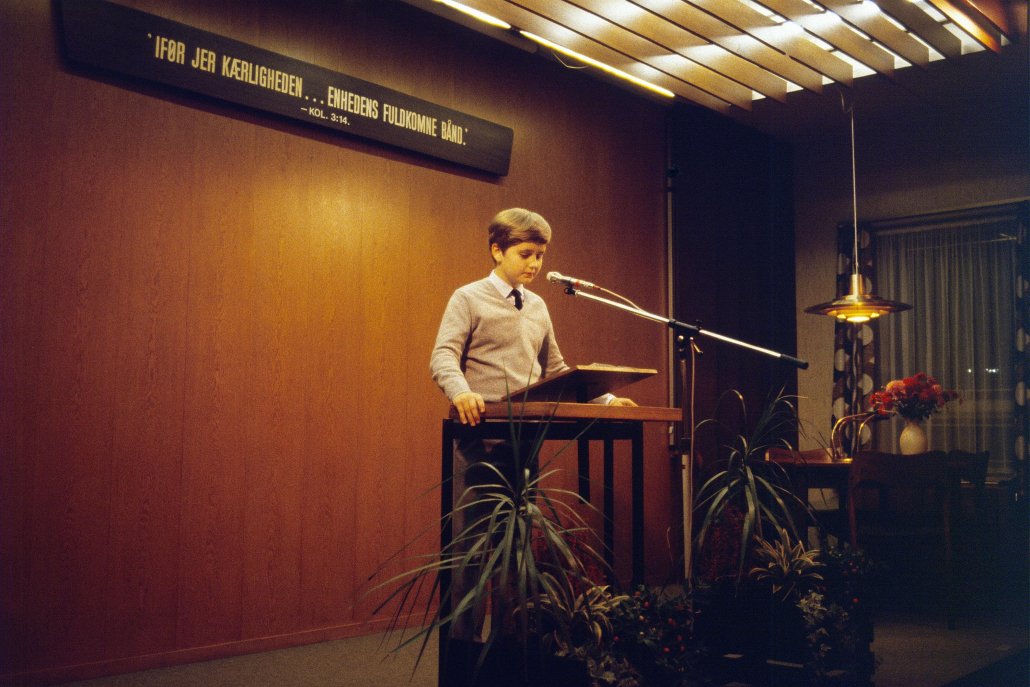
Any adult will tell you it is taboo to discuss religion or politics. This is easy enough, so long as you do not parent or educate children.

I was unprepared when my six-year-old forcefully stated his personal political opinions in response to the television news playing in the crowded waiting room of his dentist’s office.

For those raising and educating children, maintaining the polite status quo is not an option. It is our responsibility to create a safe space for them to talk about whatever is on their mind and to help them develop the skills to speak their minds in a thoughtful and respectful manner (when it is appropriate, of course).  

But how?

  1. Start where they are. What do they know, what have they heard, what questions do they have? This gives you the best jumping off point and allows you an opportunity to correct misinformation and discuss the importance of where information comes from. Let them guide the conversations. This makes them feel safe and heard. When children feel heard by their adults, they develop trust and are more likely to share the hard things that arise in the future.
  1. Use simple and neutral explanations. Stick to the facts. While I do hope my children grow up to share my beliefs, I know it is best if they arrive there on their own, and their journey may include detours. Allow them the space to explore. Children learn best when trusted adults model their personal values and critical thinking rather than dictating.
  1. Validate their feelings. As parents, the desire to pave a smooth road for our children is strong. This is simply not feasible and does not create resilience. Reminding them that their feelings are valid gives them the space to process their feelings and then the ability to think about their next steps.  
  1. Explain processes rather than specifics. Educating children about the workings of government and democracy allows them a sense of empowerment. You can further empower them by helping them get involved by doing things like writing letters, attending local events, or even discussing issues with others (in appropriate settings, of course).
  1. Focus on values. Remind them that, for the most part, humans share the same values: autonomy and accountability, achievement and altruism, wealth, freedom, and fairness, but we all prioritize these values differently. The difference in how we prioritize values is what results in our political differences. It is dismissive and harmful to believe opposing sides lack essential values.
  1. Model kindness, respect, and curiosity. When engaging those with differing views, encourage curiosity over persuading. Asking others about their different beliefs is a far more effective way of engaging. Preaching on the other hand, often reinforces an opponent’s beliefs.  

By following these steps, you can help your child learn to prioritize their values and discuss their thoughts and opinions in a calm, respectful manner. It is important for them to learn to listen to others with curiosity when they have differing beliefs and opinions. 

March 17, 2025/by Youth First
https://youthfirstinc.org/wp-content/uploads/2025/03/Child-giving-a-speech-scaled.jpg 1708 2560 Youth First https://youthfirstinc.org/wp-content/uploads/2017/06/340x156_YouthFirst_logo_color-300x138.png Youth First2025-03-17 14:22:112025-03-17 14:24:10Teaching Your Child to State Their Opinion in a Thoughtful Manner

Why It’s Important for Your Child to be Bored

All Posts, Counties, Youth First Blog

By Natasha Goodge, MSW, LSW – February 1, 2024

“I’m bored,” 5-year old Julian often says.  

As a mother, social worker, and let’s face it, a people pleaser, my initial reaction to this and other complaints is to try to fix them. I offer suggestions, provide distractions, or simply hand over my smart phone.  

For some children and adults, boredom can feel uncomfortable and result in feeling anxious. Boredom is disengagement, and disengagement from your environment feels vulnerable and dysregulating. Chronic boredom can even lead to depression and anxiety.  

Chronic boredom, however, is very different from the initial, superficial level of boredom experienced when standing in line or waiting for the next episode of our new favorite show. These days, this initial dip into monotony is easily avoided by checking our email or with a quick scroll through our favorite social media pages. This avoidance of boredom, however, may mean a loss of opportunity for connection, innovation, and creativity. 

Boredom can make children feel restless and frustrated, but it can also lead to the discovery of new interests and meaningful activities. When children engage in play that is undirected and unmanufactured, the creative part of their brain is stimulated. They can develop creative skills that stay with them for life.

For example, a child may start playing keys on the piano and then picking out a tune, which may spark an interest in taking piano lessons. They may observe grandma working on a knitted hat and ask to learn to knit. Younger children may search the house for sheets and blankets to build a fort to play in.  

Being bored can be especially good for children by helping them develop planning strategies, problem-solving skills, flexibility, and creativity. It also helps kids build tolerance for the inevitable, not-so-fun experiences, such as long car rides and adult dinner conversations. Being bored together offers opportunities for your child to observe their surroundings more closely, practice mindfulness, self-reflect, or to develop and practice interpersonal communication skills and share about themselves. Once, in an especially long line for pizza, my son explained in detail his complicated feelings about his classmates.  

“You can’t teach creativity,” writes psychologist Peter Gray, “All you can do is let it blossom.”  Now when my son tells me he is bored, I say, “That’s great honey!”

February 1, 2024/by Youth First
https://youthfirstinc.org/wp-content/uploads/2024/02/Bored-girl-outside.jpg 854 1280 Youth First https://youthfirstinc.org/wp-content/uploads/2017/06/340x156_YouthFirst_logo_color-300x138.png Youth First2024-02-01 08:34:302024-02-01 09:30:29Why It’s Important for Your Child to be Bored
Search Search

Topics

  • Youth First to Honor Carol Lynch as 2026 Dr. William Wooten ChampionJuly 23, 2026 - 3:11 pm
  • How to Help Your Kids Make Good DecisionsJuly 22, 2026 - 2:22 pm
  • Youth First Receives $40,000 Award from CenterPoint Energy FoundationJuly 16, 2026 - 9:34 am
  • Establishing a Smooth Transition from Home to SchoolJuly 15, 2026 - 2:16 pm
  • Promoting Patience in a Fast-Moving WorldJuly 8, 2026 - 2:33 pm

Support Youth First

Help protect and heal the hearts of children by supporting Youth First!

Donate

Where to find us

111 SE Third Street, Suite 405
Evansville, IN 47708

Mon–Fri: 8:00–5:00
Sat–Sun: Closed

Get In Touch

812-421-8336

Contact
Copyright © 2026 Youth First, Inc. | Website by Media Mix
  • Website designed by Media Mix Advertising
  • Privacy Policy
Scroll to top Scroll to top Scroll to top