• Español Familias
Youth First
  • About
    • Who We Are
      • Mission, Vision & Values
      • Outcomes & Impact
      • Stories of Change
      • History
      • Staff
      • Youth First Mental Health Professionals
      • Board of Directors
      • Leading Sponsors
      • Careers
    • Where We Are
      • Catholic Diocese of Evansville
      • Daviess
      • Dubois
      • Gibson
      • Greene
      • Knox
      • Lawrence
      • Martin
      • Morgan
      • Orange
      • Perry
      • Posey
      • Spencer
      • Vanderburgh
      • Warrick
  • Programs
    • For Schools & Students
      • Youth First Mental Health Professionals
      • Al’s Pals
      • C.A.S.T.
      • LifeSkills Training
      • Reconnecting Youth
      • Teen Series
      • Tween Series
      • WhyTry
    • For Families & Youth
      • Camp Memories
      • Family First
      • Family First Foundations
      • In It to Win It
    • For Communities
      • Talk – They Hear You
      • The Truth Is
  • Resources
    • Resiliency Resources
    • Advice from Our Professionals
    • Other Helpful Resources
  • News
    • Newsletter
    • News Releases
  • Events
    • Calendar of Events/Programs
    • Youth First Warrick County Golf Scramble
    • Youth First Breakfast of Champions
    • Youth First Benefit Auction
  • Careers
  • Contact
  • Support
    • Donate
    • Volunteer
  • Click to open the search input field Click to open the search input field Search
  • Menu Menu
  • Link to Facebook
  • Link to Instagram
  • Link to Youtube
  • Link to LinkedIn

Tag Archive for: YouthFirst2025

Make Time to Connect with Your Child

All Posts, Counties, Youth First Blog

By Hannah Smith-Quirey, MSW, LCSW – December 22, 2025 –

When it comes to parenting, connection is essential. A strong bond helps your child feel loved, valued, seen, and heard. This doesn’t mean challenges and disagreements won’t arise – those moments are a normal part of any relationship. However, when a solid connection is in place, navigating difficulties together becomes easier and strengthens your relationship even more.  

Connection can feel challenging in today’s fast-paced world. Setting aside just 10-15 minutes each day to focus on your child – doing something they enjoy and simply being together – can make a meaningful difference. You can also nurture connection during everyday routines, such as getting ready for school, bedtime, cooking dinner, or car rides to and from activities. These ordinary moments often create the strongest bonds.

There are so many ways to build a strong connection with your child. Laughing and playing together helps both you and your child release the everyday worries and stresses of the day. These moments don’t need to be structured – let your child choose the activity and take turns leading. Whether it’s a game, a creative project, or simple play, following your child’s lead shows them they are valued and strengthens your bond.  

You can also strengthen your bond through physical connection, such as hugs or bedtime snuggles. Make the most of small moments – like brief conversations at bedtime or while riding in the car – to check in and connect. Be open and accept your child’s feelings and emotions. Big feelings can be overwhelming at times, but children need a safe space to express them. Welcome the emotions that may be hiding beneath anger or challenging behavior. Focus on listening and showing empathy rather than trying to fix the feeling. Simple responses like, “I hear that you feel sad about…,” “Tell me more about that…,” or “That sounds like it would be hard,” can go a long way in helping your child feel understood.  

Technology can sometimes stand in the way of connecting with our children. By slowing down, putting aside your phone, turning off the television, and truly listening, you can make space to be fully present. These small, intentional choices can open the door to powerful moments of connection.  

Connection matters. This isn’t meant to create guilt, but to invite us to be more intentional about being present with our children. While scheduling time to connect is valuable, some of the most meaningful moments happen spontaneously – when we pause, notice and engage in the everyday moments we already share.  

December 22, 2025/by Youth First
https://youthfirstinc.org/wp-content/uploads/2025/12/Mother-reading-to-child-scaled.jpg 1707 2560 Youth First https://youthfirstinc.org/wp-content/uploads/2017/06/340x156_YouthFirst_logo_color-300x138.png Youth First2025-12-22 14:18:252025-12-22 14:18:28Make Time to Connect with Your Child

Holiday Stress and Your Anxious Child

All Posts, Counties, Youth First Blog

By Brooke Skipper, MSW, LCSW – December 17, 2025 –

It’s that time of year: no school, sweet treats, presents, and parties…You might think this is every kid’s dream! If you have a child with anxiety, however, you know this combination can be a huge trigger.

While a long school vacation might feel like a relief for many kids, the break in routine can be difficult for those with anxiety. The parties, loud noises, and bright lights can create sensory overload for anxious kids.

For children who struggle with social anxiety or who are simply more introverted, the constant activity and socializing can be very overwhelming. To minimize meltdowns, tantrums, and stress for the whole family, work on coping ahead of time by employing some simple strategies.

  1. Identify the warning signs. Talk with your child about how their body feels when they are anxious. Are they experiencing sweating, a racing heart, or butterflies in their stomach? Pay attention to your child’s behavior during anxious times. Some warning signs may be:

    a. Excessive tears or clinging to parents
    b. Isolating
    c. Psychosomatic complaints (headaches, stomach aches, random pains that cannot be explained)
    • Create coping strategies. Once you and your child understand the warning signs, know what to do to decrease anxiety before it spirals. The more a child practices these coping skills, the better they will become. Make sure your child’s favorite coping tools go with you to events and outings. Some easy skills to try are:

      • Journaling
      • Music
      • Art expression
      • Exercise
      • Deep breathing
      • Fidgets or stress balls
    • Set expectations. Let your child know the schedule for the day. Describe the events you will be attending, who will be there, and what your child may enjoy while there. This helps your child feel more in control and less anxious.
    • Make time to reconnect. With the holidays full of busy schedules and lots of family and friends, it can be hard to have meaningful one-on-one time with your child. An anxious kid craves that slow-paced rest and relaxation time spent with you as their safety net. Find time to recharge with your child each day, talk through how they are feeling, and identify any needs they have.

    Children thrive on routine. Finding ways to maintain some form of normalcy during this chaotic time can be extremely beneficial for an anxious child. Try to ensure your child gets plenty of restful sleep and eats nutritious meals, even if bedtimes and mealtimes shift to accommodate events.

    Remember, you are your child’s best advocate. If there is an event that just does not work for your family, it is ok to maintain boundaries and not attend.

    December 17, 2025/by Youth First
    https://youthfirstinc.org/wp-content/uploads/2025/12/Girl-journaling-by-Christmas-Tree-scaled.jpg 2560 1707 Youth First https://youthfirstinc.org/wp-content/uploads/2017/06/340x156_YouthFirst_logo_color-300x138.png Youth First2025-12-17 14:30:162025-12-17 14:38:02Holiday Stress and Your Anxious Child

    How to Talk to Children About Their Friends’ Mental Health

    All Posts, Counties, Youth First Blog

    By Britney Wagler, MSW, LCSW – Dec. 11, 2025 –

    Our children often look to us for answers. Sometimes, when it comes to mental health, we don’t know what to say or how to support them.

    According to the 2024 KIDS COUNT Data Book, 35.7% of students in 7th-12th grade reported that in the past year, they felt so sad or hopeless for two or more weeks in a row that they stopped participating in their usual activities.

    Additionally, 17.2% reported that in the past year they seriously considered attempting suicide, and 12.8% reported that in the past year they made a suicide plan.

    If your child is not directly affected by mental health issues, one of their friends or someone they know likely is. Mental health is a tough topic to talk about; however, the more we talk about it, the easier it becomes. When a friend is struggling, your child may feel confused, helpless, or even guilty. They may not know what to say to their friend and may look to you for help.

    What can you say to your child to help support their friend? First, normalize mental health issues. Talking about mental health with your child can better educate them and provide them with important information. If you don’t know the answers, look up information from a reputable source together. Mental Health America (MHA) and the Substance Abuse and Mental Health Services Administration (SAMHSA) are great resources.

    Second, remind your child that their friend is still their friend. Just like your child wouldn’t stop being a friend to someone diagnosed with diabetes, your child shouldn’t stop being friends with someone who has a mental health diagnosis. Remind your child that their friend is still the same person they were before. They should continue to include them in all activities and plans.

    Third, encourage your child to check in on their friend. Give your child permission to come to you with any concerns they may have about their friend. Remind them that if anyone talks about suicide or self-harm, they should tell their parents or another trusted adult. Remember that a mental health disorder is not contagious. Your child will not “catch it” from someone else.

    Lastly, if your child’s friend does attempt to harm themselves in any way, remind your child that it is not their fault. It’s ok to be sad and scared about what happened, but they are not responsible for anyone else’s actions, only their own. Comfort them and extend that compassion to their friend. Children watch how you react and respond to crises. You set the tone on how they handle mental health issues with others in the future.

    If you or someone you know is thinking about suicide, please contact 988 for the local Suicide and Crisis Lifeline or 911 for emergency responders.

    December 11, 2025/by Youth First
    https://youthfirstinc.org/wp-content/uploads/2025/12/teen-helping-sad-friend-scaled.jpg 1707 2560 Youth First https://youthfirstinc.org/wp-content/uploads/2017/06/340x156_YouthFirst_logo_color-300x138.png Youth First2025-12-11 14:00:252025-12-11 14:00:27How to Talk to Children About Their Friends’ Mental Health

    From a Pen to a Boat: How a Local High School Senior Raised $2,000 for Youth First

    All Posts, Counties, Stories of Change, Youth First Blog

    By Julie Hoon, VP of Marketing & Communications – December 4, 2025 –

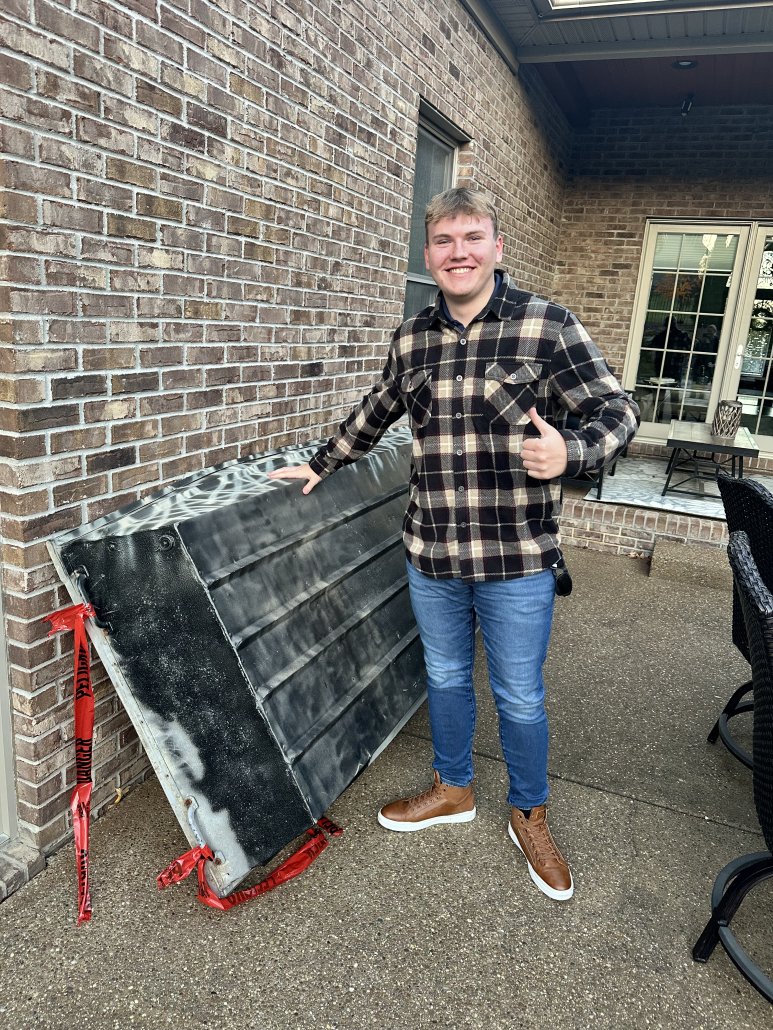
    Eighteen-year-old high school senior Wesley never expected that starting with a simple pen would lead to a $2,600 donation to Youth First. After launching a 72-hour challenge on his YouTube channel, he selected Youth First as the recipient of whatever funds he could raise through a creative trading mission. His effort quickly gained the attention of his family, friends, and his Youth First Mental Health Professional at Castle High School, Chasidy Lambert.

    “He’s a student with a vision!” Lambert said. “I don’t know many people who could turn a pen into a boat… just by asking! I’m so proud of the growth I’ve seen in him. He’s made big steps in connecting with people and in his demeanor and responsibilities. He pushes himself to maintain a healthier mindset and form healthy relationships. Seeing him use his skills to achieve a fundraiser like this for Youth First is amazing.”

    Wesley started his YouTube channel as a way to push himself beyond his social anxiety. Wanting to use the platform for something positive, he came up with the idea of trading a pen up to a high-value item, then donating the proceeds to a local nonprofit. To hold himself accountable, he set a 72-hour limit and created the challenge: “72-Hours to Trade a Pen for Charity.” With a friend filming, he committed to three days of trading, ending with whatever item he secured at the final deadline.

    On day one, Wesley made his first trade when a couple swapped his pen for a Mother’s Day decoration. That small success fueled a huge second trade: a propane grill. Although the ignitor didn’t work, the grill could still be lit manually.

    Day two brought another surprising turn. An individual offered to trade a subwoofer and amplifier for the grill. By the end of the day, Wesley and his friend decided to broaden their reach, posting the available items on Facebook Marketplace and Snapchat. Their social media outreach paid off; by day three, Wesley received an offer to trade the subwoofer and amplifier for a 12-foot jon boat—a flat-bottomed, lightweight fishing boat. After securing a truck to transport it, the trade was finalized.

    Later that same day, Wesley found a buyer for the boat and announced that his chosen charity was Youth First. When the buyer learned the proceeds were being donated, he increased his offer to $1,500. Additional contributions from family and friends who followed the challenge brought Wesley’s total donation to an impressive $2,600.

    “I’ve never seen anything like this!” said Julie Hoon, Youth First’s Vice President of Marketing & Communications. “Our donors are incredible and come in all ages and stages of life, but not many can say they turned a pen into $2,000. Wesley’s heart is big, and I’m so impressed with his charitable mindset. I hope he motivates other young people to see how one idea can support a mission and make a substantial impact.”

    When asked why he chose Youth First, Wesley explained, “Other people need this money more than me. I wanted it to go to an organization that has helped me, and that’s Youth First. I want to make sure they’re always able to help students.”

    If you are inspired by Wesley’s story and would like to consider a donation to Youth First this holiday season, please visit our website at youthfirstinc.org/donate. Write “Wesley’s Story” in the comment box.

    To visit Wesley’s YouTube channel, Fever-R, and watch this story, click here: I Turned a Pen Into $2000 for Charity.

    December 4, 2025/by Youth First
    https://youthfirstinc.org/wp-content/uploads/2025/12/Wesley-Big-Check-Photo-2925-scaled.jpg 1920 2560 Youth First https://youthfirstinc.org/wp-content/uploads/2017/06/340x156_YouthFirst_logo_color-300x138.png Youth First2025-12-04 10:09:322025-12-04 11:30:12From a Pen to a Boat: How a Local High School Senior Raised $2,000 for Youth First

    How to Respond When Children Lie

    All Posts, Counties, Youth First Blog

    By Lizzie Raben, MSW, LSW – November 19, 2025 –

    It can be so difficult to understand why teenagers – or children of any age – lie to us. Sometimes the lies feel especially frustrating because they seem so small or unnecessary, leaving us wondering why they weren’t simply honest in the first place.

    Why do children lie – and how should we respond when they do? Most kids experiment with lying at some point, whether to fit in, avoid trouble, or even protect someone else. Because lying is a common part of childhood development, it’s important for parents to understand why it happens and how to address it in a calm, effective way.

    The most important thing to remember in these moments is to stay calm.  Being lied to can naturally trigger anger, making it harder to keep our composure. But maintaining calm helps strengthen future parent–child interactions. When we can talk with our child calmly about why lying is wrong, what the real issue is, and how to respond appropriately, we show them that they can come to us with any problem. We also model that honesty leads to open, steady communication—and that when they tell the truth, we will listen and help them work through challenges.

    Lying can create distance and deepen a child’s sense of loneliness. When children realize they don’t have to hide things from us, they often feel a sense of relief, knowing we can work through challenges together. This doesn’t mean discipline isn’t necessary – guidance and boundaries are still essential. While children need calm support, they also rely on consistent discipline to help them grow and learn. 

    If your child lied about where they were going after school, for example, an appropriate consequence might be requiring them to come straight home the next day. Explain that the privilege was lost because trust was broken and reassure them that trust can be rebuilt. Be specific about what they can do to earn that privilege back so they understand the path forward.
     
    After our children have lied and damaged our trust, how do we move forward? Here are some things you can do:

    1. Continue to offer them love. They made a mistake, but even adults make mistakes every day.
    1. Continue to model open and honest communication for your child. This is how they learn!
    1. Lastly, as your child works to rebuild trust, show them that their efforts matter by gradually giving them more space. When teens feel trusted, they’re less likely to hide things and more willing to open up. Ultimately, we want our children to know that even when they make mistakes, we still love them and are willing to forgive. Holding them to high standards is important, but those expectations should feel achievable—not overwhelming.
    November 19, 2025/by Youth First
    https://youthfirstinc.org/wp-content/uploads/2025/11/Parent-scolding-child-scaled.jpg 1707 2560 Youth First https://youthfirstinc.org/wp-content/uploads/2017/06/340x156_YouthFirst_logo_color-300x138.png Youth First2025-11-19 15:26:302025-11-19 15:26:33How to Respond When Children Lie

    The Importance of Family Traditions

    All Posts, Counties, Youth First Blog

    By Jordyn Bryant, MSW, LSW – November 12, 2025 –

    In today’s busy world, families are often pulled in many directions with work, school, sports, and endless to-do lists. It’s easy to feel disconnected from one another, even while living under the same roof. One powerful way to strengthen connection and support mental well-being is through family traditions.

    Family traditions are more than just routines. While routines are about efficiency and getting things done, traditions carry emotional meaning. They are recurring activities that foster a sense of belonging and stability, such as bedtime stories, Saturday morning pancakes, or weekly movie nights. These shared practices bond the family and send a message, “We are in this together.”    Even the smallest traditions, like a goodnight phrase or a special handshake, can become treasured symbols of family love and unity.

    Research shows that traditions benefit mental health in several ways. They provide comfort and predictability, which helps children feel secure in an unpredictable world. They strengthen relationships by giving families regular opportunities to connect, laugh, and share joy. Traditions also create a sense of identity and resilience, reminding children that they are part of something larger than themselves. For parents, traditions can reduce stress by offering intentional pauses from the rush of daily life and opportunities to slow down together.

    The best part is that traditions don’t need to be complicated or time-consuming. A gratitude check-in at dinner, reading a book together before bed, or a Sunday walk can all serve as powerful anchors. What matters most is consistency and the emotional connection attached to the tradition, not perfection. Families don’t need to compare their traditions to others; what matters is finding practices that feel natural and meaningful in your own home.

    If your family doesn’t have many traditions yet, start small. Choose one activity you can realistically commit to and invite your children to help shape it. When kids take part in creating a tradition, they feel a sense of ownership and pride. Over time, these simple practices can become cherished memories and lasting sources of comfort. In moments of stress or uncertainty, it is often the smallest traditions that children remember most, the ones that remind them they are loved, secure, and connected.

    Family traditions are powerful, not because they are elaborate, but because they are consistent, meaningful, and shared. In a fast-paced world, they serve as reminders to slow down, connect, and celebrate being together. Those moments of connection are not just pleasant; they are essential to the mental health and well-being of both children and parents.

    November 12, 2025/by Youth First
    https://youthfirstinc.org/wp-content/uploads/2025/11/AA-family-decorating-tree-scaled.jpg 1340 2560 Youth First https://youthfirstinc.org/wp-content/uploads/2017/06/340x156_YouthFirst_logo_color-300x138.png Youth First2025-11-12 16:23:452025-11-18 14:54:25The Importance of Family Traditions

    Community Foundation of Morgan County Awards $10,000 to Youth First

    All Posts, Counties, News Release, Youth First Blog

    Grant to Provide Mental Health Support for Morgan County Students

    Youth First is celebrating the Community Foundation of Morgan County (CFMC) for investing in Morgan County youth and families. CFMC recently awarded $10,000 to Youth First, Inc. to strengthen the mental health and well-being of students in Youth First partner schools Bell Intermediate Academy, Martinsville High School, Paul Hadley Middle School, and Mooresville High School.   

    This grant will enable Youth First to provide its school-based student assistance program and family and community prevention programs to help students build valuable life skills and healthy mindsets as they grow into thriving adults.  

    Youth First embeds highly trained mental health professionals in school buildings and partners with 130 schools across 14 Indiana counties. Youth First Mental Health Professionals build caring relationships, promote healthy choices, foster readiness for positive change, and boost resiliency, along with other valuable life skills.

    Kim Cole, President of the Community Foundation of Morgan County, stated: “Community Foundation of Morgan County is proud to support Youth First and their mission of helping our youth. Now more than ever, we need these front-line mental health professionals in our schools. We know the grant dollars will be put to great use. Thank you, Youth First, for your commitment to Morgan County!” Youth First President & CEO Holli Sullivan shared, “Our kids and families are dealing with busier schedules, greater stress and more complex challenges than ever. That’s why it’s so important to have easy access to skilled mental health support and prevention programs in school buildings, where students, parents, and teachers can take full advantage of it. We are grateful for a partnership with the Community Foundation of Morgan County to build strong futures for Morgan County kids.”

    November 7, 2025/by Youth First
    https://youthfirstinc.org/wp-content/uploads/2026/02/Community-Foundation-of-Morgan-County-Oct.-2025-cropped-scaled.jpeg 2560 2102 Youth First https://youthfirstinc.org/wp-content/uploads/2017/06/340x156_YouthFirst_logo_color-300x138.png Youth First2025-11-07 15:48:402026-02-10 15:53:42Community Foundation of Morgan County Awards $10,000 to Youth First

    Guiding Your Child Through the Journey of Loss

    All Posts, Counties, Youth First Blog

    By Hailey Hagan, MSW, LSW – November 6, 2025 –

    Coping with a loss can be challenging for anyone, but helping children navigate the complex emotions that come with grief is particularly daunting. If you are a parent or caregiver, it is challenging to see the little ones you love in pain.

    Here are some gentle ways to support your child during a time of grief:

    1. Foster Open Communication: Create a safe space for your child to express their feelings openly. Encourage them to share memories and feelings, and assure them it’s okay to feel a range of emotions, from sadness to confusion.
    1. Share Stories and Memories: Celebrate the life of the person or pet they lost by sharing fond memories and stories. Reminiscing about happy times can bring comfort and help your child remember the positive impact their loved one had on their life.
    1. Validate Their Feelings: Let your child know that their feelings are valid and normal. They need to understand that grief takes different forms, and everyone processes in their own way and on their own timetable.
    1. Maintain Routine and Stability at Home: In times of loss, routine can provide a sense of stability and comfort for children. Stick to familiar schedules and activities to create a reassuring environment for your child.
    1. Encourage Healthy Coping Skills: Assist your child in finding healthy ways to express their grief. This could include using art or play as a vehicle for expressing hard and painful emotions. Other healthy ways of coping might include spending time in nature and engaging in shared family activities.
    1. Seek Professional Support if Needed: If your child is struggling to cope with the loss, consider seeking professional help. You can reach out to your school’s Youth First Mental Health Professional or your child’s family physician for additional support and resources.

    Helping a child cope with loss is an ongoing journey. By providing love, understanding, and the necessary tools to express their emotions, you can help your child navigate the path to healing with resilience and strength.

    Youth First is offering Camp Memories, a free bereavement program for children ages 6-18 who have experienced the death of a family member or loved one, on Saturday, November 22. Please contact Heather Miller (hmiller@youthfirstinc.org) for more information.

    November 6, 2025/by Youth First
    https://youthfirstinc.org/wp-content/uploads/2025/11/Sad-girl-at-dinner-table-scaled.jpg 1708 2560 Youth First https://youthfirstinc.org/wp-content/uploads/2017/06/340x156_YouthFirst_logo_color-300x138.png Youth First2025-11-06 10:27:262025-11-06 10:27:27Guiding Your Child Through the Journey of Loss

    Letting Go of Perfectionism

    All Posts, Counties, Youth First Blog

    By Niki Walls, MSW, LSW – October 29, 2025 –

    When’s the last time you tried something new without worrying about whether you would be good at it? As children, we would happily play and try something new; we were not consumed with thoughts of failure. However, as adults, we often avoid hobbies unless we believe we can master them.

    At what point in our lives does this change-up happen? How can we be successful role models to students, expect them to improve, and not add to the pressure of perfectionism? 

    We live in a society that thrives on performance, productivity, and perfection. This can be harmful when dealing with children. Students often feel pressured to be perfect at everything they do. If they are unsure if they will be good at something, they may avoid it altogether. The way society has made “good enough” seem like “not enough” will often push students to the point of not trying at all.

    The message students need to hear is that they do not have to be perfect, or even good, at something to help them grow. Even without perfection, a hobby, physical activity, or passion can greatly support a student’s mental well-being. The fear of failure is holding many students back from reaching their full potential. Studies show that trying new activities boosts creativity, lowers stress, and even helps build resilience. 

    When students only do what they are already good at, they may miss out on experiences that could bring them new joy, diverse friendships, and valuable life skills. When students try something new without the added pressure of being perfect, they can build resiliency, boost their confidence, encourage creativity, and have a positive outlet for stress. It also takes the pressure off for them to feel like they must perform well to be worthy of love or attention. Children need to learn the art of normalizing mistakes, not fearing them, while also shifting their brain from fight-or-flight to a state of calm. 

    As adults, we can encourage this mindset by praising their effort over the mastery or perfectionism. Teachers and parents can also model imperfection. Try something new, give yourself grace when you fail, and laugh it off when things do not go as planned. This will model just how safe it is to take risks without fear of embarrassment.  

    Growing up can be stressful and full of pressure for students, but not everything has to be about perfect grades, scores, or achievement. Encourage students to “fail” so they can explore who they really are while discovering new passions and building confidence. When we let go of being perfect at something, we permit ourselves to enjoy it. That joy can be a surprisingly powerful tool for our mental health. Maybe the shift starts by picking one thing you can do “badly” on purpose. Not only will it lighten your mood, but you might just have more fun than you have had in a long time. 

    October 29, 2025/by Youth First
    https://youthfirstinc.org/wp-content/uploads/2025/10/Girl-playing-tennis-scaled.jpg 2560 1706 Youth First https://youthfirstinc.org/wp-content/uploads/2017/06/340x156_YouthFirst_logo_color-300x138.png Youth First2025-10-29 15:33:282025-10-29 15:34:38Letting Go of Perfectionism

    Raising Confident, Independent Kids

    All Posts, Counties, Youth First Blog

    By Ashley Underwood, MSW, LCSW – October 22, 2025 –

    Allowing your child to have independence and responsibility can be challenging. It’s difficult for some parents and guardians to acknowledge that their little ones are growing up. Just a small amount of ownership and responsibility, however, can have a big impact on your child’s development. Independence builds self-confidence, helps prepare them to complete tasks on their own in the future, and has benefits for parents as well.  

    Your child’s independence will grow as they complete simple tasks. Easy tasks are best for little ones. A common example of building independence in your young child might include asking them to put their backpack and lunchbox away after they get home from school. Older children may be given the responsibility of preparing their backpack for school in the morning and hanging it up properly when they return home. While taking care of a backpack may seem like a small task, it promotes responsibility and independence.

    Another way to foster independence is by allowing children to make choices. The decision can be as simple as, “Do you want to wear your Spider-Man pajamas or your Mickey Mouse pajamas to bed?” or “Would you like apples or strawberries with your sandwich?” There are countless opportunities for building independence. In the morning, let them choose their hairstyle for school or which socks they want to wear. In the evening, ask them to complete a small task such as setting the table for dinner or choosing which book they’d like to read before bed.

    Making simple decisions such as this builds independence and responsibility while also developing problem-solving and decision-making skills.  

    Along with completing tasks and making decisions, there are other ways you can build your child’s independence. Being consistent with a specific routine or schedule allows children to grow in this area. Consistency helps a child know what to expect each day and what will happen next. An inconsistent routine can cause confusion, create struggles, and potentially cause reactions such as a tantrum or outburst.  

    Taking a step back as a parent also promotes independence in your child. Of course, parental supervision is important, and the child’s safety should always come first. It’s essential to be present while still allowing your child to explore their independence. Mistakes are inevitable, but they help both children and adults learn more about themselves, others, and the world.  

    Independence should be a daily part of a child’s life. You may find that some tasks your child helps with take additional time, but they will be thrilled when they are allowed to help. Their confidence will grow with each little step they take toward independence. 

    October 22, 2025/by Youth First
    https://youthfirstinc.org/wp-content/uploads/2025/10/Children-Doing-Chores-with-Mom-scaled.jpg 1707 2560 Youth First https://youthfirstinc.org/wp-content/uploads/2017/06/340x156_YouthFirst_logo_color-300x138.png Youth First2025-10-22 15:14:572025-10-22 15:14:59Raising Confident, Independent Kids
    Page 1 of 512345
    Search Search

    Topics

    • Youth First to Honor Carol Lynch as 2026 Dr. William Wooten ChampionJuly 23, 2026 - 3:11 pm
    • How to Help Your Kids Make Good DecisionsJuly 22, 2026 - 2:22 pm
    • Youth First Receives $40,000 Award from CenterPoint Energy FoundationJuly 16, 2026 - 9:34 am
    • Establishing a Smooth Transition from Home to SchoolJuly 15, 2026 - 2:16 pm
    • Promoting Patience in a Fast-Moving WorldJuly 8, 2026 - 2:33 pm

    Support Youth First

    Help protect and heal the hearts of children by supporting Youth First!

    Donate

    Where to find us

    111 SE Third Street, Suite 405
    Evansville, IN 47708

    Mon–Fri: 8:00–5:00
    Sat–Sun: Closed

    Get In Touch

    812-421-8336

    Contact
    Copyright © 2026 Youth First, Inc. | Website by Media Mix
    • Website designed by Media Mix Advertising
    • Privacy Policy
    Scroll to top Scroll to top Scroll to top