Coping with a loss, whether it’s a loved one or a pet, can be challenging for anyone, but helping your child navigate the complex emotions that come with it can be particularly daunting. As a parent or guardian, it is often hard to see the little ones we love and care for in pain. Here are some gentle ways to support your child during a time of grief:
Foster Open Communication: Create a safe space for your child to express their emotions openly. Encourage them to share memories and feelings, and assure them it’s okay to feel a range of emotions, from sadness to confusion.
Share Stories and Memories: Celebrate the life of the person or pet they lost by sharing fond memories and stories. Reminiscing about happy times can bring comfort and help your child remember the positive impact their loved one had on their life.
Validate Their Feelings: Let your child know their feelings are valid and normal. They need to understand that grief takes different forms and everyone processes it in their own unique way and at their own pace.
Maintain Routine and Stability at Home: In times of loss, routine can provide a sense of stability for children. Stick to familiar schedules and activities to create a reassuring environment for your child.
Encourage Healthy Coping Skills: Assist your child in finding healthy ways to express their grief. This could include using art or play as a vehicle for expressing painful emotions. Other healthy ways of coping include spending time in nature and engaging in shared family activities such as hiking, watching movies, playing board games, etc.
Seek Professional Support if Needed: If your child is struggling to cope with the loss, consider seeking professional help. You can reach out to their school’s Youth First Mental Health Professional (a list is available at youthfirstinc.org) or your child’s family physician for additional support and resources.
Helping a child cope with loss is an ongoing journey. Hold space for your child and listen to them. By providing love, understanding, and the necessary tools to express their emotions, you can help your child navigate the path of healing with resilience and strength.
https://youthfirstinc.org/wp-content/uploads/2025/07/Teen-experiencing-loss-scaled.jpg17092560Youth Firsthttps://youthfirstinc.org/wp-content/uploads/2017/06/340x156_YouthFirst_logo_color-300x138.pngYouth First2025-07-30 16:05:052025-07-30 16:05:06Guiding Your Child Through the Journey of Loss
As a school-based mental health professional, I have observed that many students come into my office and talk negatively about themselves. They might say things like, “I have no friends. No one likes me. I am a loser.” When it comes to their schoolwork, they might say, “I am just dumb. I will never learn or understand this.”
This type of self-talk can be very harmful to anyone, but especially children. This leads them to have a fixed mindset where they firmly believe the negative things they say. They might stop playing with their friends at recess because, in their mind, no one wants to be their friend. They also might struggle in class due to not believing in themselves when it comes to completing homework or taking tests.
I have come to believe that most of the time, what these students are saying is not true. Quite often, negative self-talk arises out of frustration or anxiety about something else. One of the exercises I use with my students in this situation is to have them look in the mirror and say five positive things about themselves. I encourage them to do this outside of the office as well. This can establish a more positive pattern in their everyday lives, promoting a better mindset.
Another exercise that parents or guardians can do at home is to catch their child when they talk negatively towards themselves. Encourage them to see how the negative thoughts they are having are not true. Remind them of the amazing things they’ve accomplished in the past and of their potential to do good things in the future.
Journaling is another activity that can help. This can be done in many ways, but one exercise is to have your child write down positive affirmations every day when they wake up or go to bed. Another possibility is to have them write down a negative thought they’ve expressed and help them argue against it, with evidence to show that the thought is wrong.
Another important way to combat negative self-talk is for parents to lead by example. It is often difficult in today’s world to see the positive. However, showing our children that we struggle with this as well can help them not feel so alone. Working as a team will allow them to know that there are situations in today’s world that even adults might not fully understand.
If negative self-talk continues to be an issue with your child, reach out to your school’s Youth First Mental Health Professional or an outside mental health professional. Asking for help is always a step in the right direction.
Let’s get straight to the point. Being a parent is hard. Parenting can mean poor sleep, burnout, and lots of stress. It often requires putting all your needs aside to make sure your child succeeds in life. It is not an easy task, and it really does take a village to raise a child.
After the kids go to bed, you finally have time to unwind. What do you do? Read a book, watch a TV series, or go to sleep? When do you take time out of the busy family schedule to do something for yourself? I think most parents and caregivers would say there is not enough time in the day.
However, pouring from an empty cup is not helpful to anyone, especially your children. Let’s talk about some ways that you can practice self-care so you can better manage stress, become more present with your children, and overall feel better.
With soccer, ballet, football, band, and many other extracurricular activities available to kids, there’s a laundry list of practices, games, recitals, etc. to accompany each commitment. Most families these days have a jam-packed monthly schedule that includes sports, after-school activities, doctors’ appointments, birthday parties, and many other important things. However, parents can use a busy schedule to your advantage. Let’s look at how you can take time each day to practice self-care.
While your child is at soccer practice, for example, you could sit in the car or next to the field and listen to your favorite audiobook. Instead of having the kids take the dog out for a walk, you could volunteer to do it. Enjoy the fresh air and get some extra steps into your day. Just fitting as little as 10 minutes into your schedule to take some time out for yourself can make a big difference.
Have you ever thought about pursuing a new hobby? Remember that gift card you got for a free session at the local pottery shop? Cash that in and learn something new. Learning a new hobby doesn’t have to be just for you. It could be a family activity such as gardening. Teach the kids how to grow their own fruits and vegetables. This is also considered self-care, because as you enjoy teaching your kids something new, you are spending time together as a family. The benefits of sitting down once a day to eat a meal together or once a week to watch a movie together help families bond and parents feel fulfilled by special moments together.
As parents, we are role models for our children, which means that we must set a good example for them. If we can show our kids that we practice self-care and take time away from the hustle and bustle of life to take care of ourselves, hopefully they will follow in our footsteps and practice self-care as they grow into healthy adults.
https://youthfirstinc.org/wp-content/uploads/2025/07/Parent-and-child-hiking-scaled.jpg17072560Youth Firsthttps://youthfirstinc.org/wp-content/uploads/2017/06/340x156_YouthFirst_logo_color-300x138.pngYouth First2025-07-11 11:12:022025-07-11 11:12:04Parents Can’t Pour from an Empty Cup
As parents, we care deeply for our children and would do anything in the world to help them through difficult times. It can feel defeating when we realize our children may need outside help that we are unable to give them.
If you choose to get your child professional help, please know there is nothing to feel bad about; in fact, it speaks volumes that you care enough to take the step to get extra support for your child.
Every child is different, so while one child may come to their parent asking for professional help, others might not feel comfortable asking for help at all. This is where parents can step in if they are noticing signs that their child could benefit from professional assistance. Some of these signs could look like the child struggling to express emotions in healthy ways, substance use, sleep disturbances, changes in appetite, isolation, engaging in risky behaviors, or even persistent physical symptoms like stomachache, headache, chest pain, etc. Parents know their children best, so when our gut is telling us something is off, it likely is.
Some children may be closed off to the idea of getting professional help. Though it has gotten a lot better through the years, there can still be a stigma or negative perception that goes along with needing extra support. If you want to introduce the idea of seeking professional help to your child but are unsure of how they will respond, here are some things to consider.
First, tell your child that you want to empower and strengthen them. Seeking outside help is all about growing stronger and learning the tools they can use in times of high stress or emotions. Remind them that the emotional discomfort they are feeling is something that does not have to be their norm and that getting extra help is a way to combat that.
Remind your child that seeking help may take time. If your child can go into the process knowing that this is an investment in their mental health (and not necessarily something that will change overnight), it helps them think realistically about the process and not get discouraged if they don’t immediately see drastic results.
A big thing we can do as parents is to remind our kids that they are not in this alone. Not only will they now have added support through an outside professional, but you, as their parent or guardian, will still be with them every step of the way. Let them know that you will still be as involved as they are comfortable with you being, and at the same time, give them space if that is what they need. As parents, we can show our children that they don’t need to feel uncomfortable about seeking professional help; and at the same time, they still have us to fall back on.
https://youthfirstinc.org/wp-content/uploads/2025/07/Child-talking-with-therapist-scaled.jpg17092560Youth Firsthttps://youthfirstinc.org/wp-content/uploads/2017/06/340x156_YouthFirst_logo_color-300x138.pngYouth First2025-07-02 14:25:552025-07-02 14:25:57Seeking Professional Help for Your Child
EVANSVILLE, IN – The community is invited on Saturday, June 28 to Movin’ for Mental Health, a one-hour group exercise class presented by Hype Hop Dance Fitness. This high-energy, interactive, calorie-scorching dance party takes place at Bosse Field, and proceeds will benefit Youth First’s mission to transform lives and improve communities by strengthening youth and families.
Registration on-site begins at 10 am CT, and the event runs from 10:30-11:30 am CT. Cost is $10 for adults; kids are free (18 and under). Registration includes the Hype Hop class and a Youth First t-shirt. Vendor booths and concessions will be on-site.
Hype Hop Dance Fitness is celebrating its one-year anniversary with this spectacular community event in collaboration with Youth First. Promotions for the event kicked off in May, which is Mental Health Awareness Month. Together, Hype Hop and Youth First want to raise awareness of mental health issues and reduce the stigma of seeking help. The event is family-friendly and open to the public.
Hype Hop Creator & CEO Makenzie Hart says, “We are excited to be celebrating our one-year anniversary and raising awareness for mental health. Physical health and mental health go hand in hand. Youth First is committed to helping students and families build healthy mindsets, and Hype Hop is committed to people being confident in their skin and having an absolute blast while moving their bodies. With this collaboration, we hope to see the entire community getting hype together!”
https://youthfirstinc.org/wp-content/uploads/2025/12/IMG_3226-scaled.jpg17072560Youth Firsthttps://youthfirstinc.org/wp-content/uploads/2017/06/340x156_YouthFirst_logo_color-300x138.pngYouth First2025-06-26 15:42:472025-12-11 16:09:40Hype Hop Dance Fitness Hosts Movin’ for Mental Health on June 28
Being a parent is a delicate balance between wanting to do things for our kids (and providing them with everything within our means) and teaching them to be responsible, grateful humans.
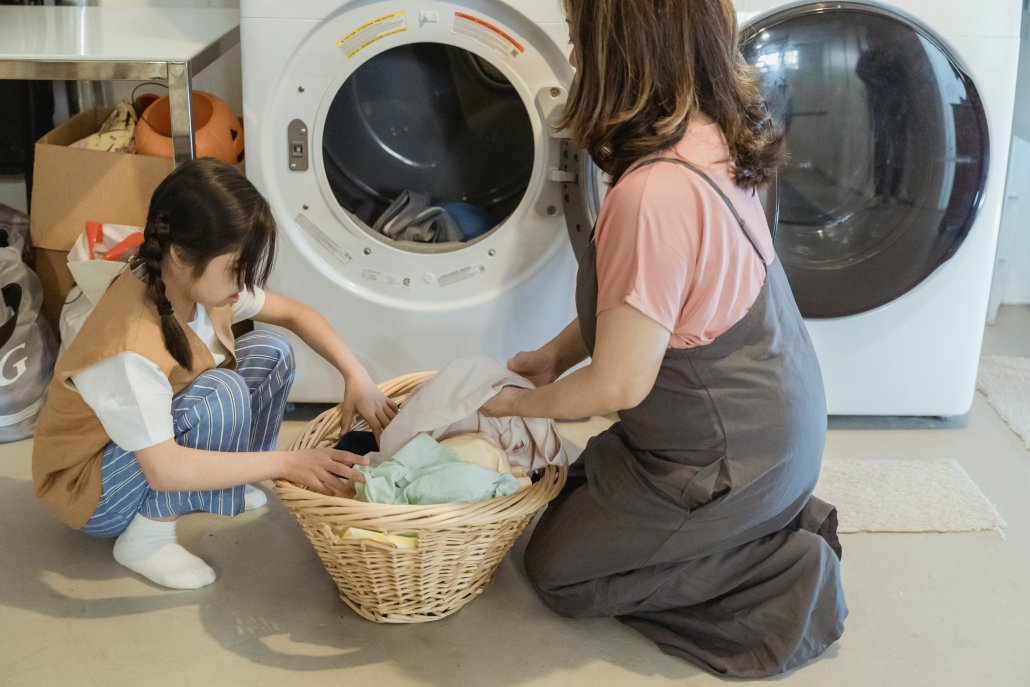
How can we help kids grow into responsible adults, and why is it important they start learning those life skills early? One of the best things we can do for our kids is to teach them to help at home with age-appropriate chores. Asking your child to do regular chores comes with a long list of benefits.
One of the most obvious benefits is that it helps them build life skills they will need as adults. Every person should know how to do regular household chores. As hard as it is to imagine, you will not always live with them to put their laundry away and load the dishwasher for them. Before you know it, they will spread their wings. Knowing how to do basic chores will help them become acclimated to life away from home much more quickly.
Another less obvious reason for assigning chores is to teach kids how to be a team player. Families function best when everyone is doing their part to make things run smoothly. From an early age, kids will learn that the assistance they give at home makes life easier for everyone, fostering a sense of belonging and teamwork. Siblings can work together, which will reinforce the idea that working as a team will help them accomplish their goals more quickly than working alone.
Doing chores is also a confidence booster for kids. It gives them the opportunity to learn something new and master skills. Kids love learning new things and feeling involved in what is happening in the home. Asking them to help with chores will also help create a tighter sense of community within your family.
Having responsibilities at home also helps kids learn time management skills. Asking them to complete unfavorable tasks before moving on to more desirable jobs will allow kids to learn how to prioritize. This is great preparation for adulthood, where we oftentimes find ourselves having to complete important (but unexciting) tasks before we can move on to the things that bring us joy.
There are many benefits to assigning chores to your kids, including building self-esteem, building confidence, learning to be independent, learning time management, and building life skills they will need as adults. I know it seems like we blink and they are older, and sometimes doing tasks for them feels like we get to keep them little for just a bit longer. But in reality, we are stunting their ability to thrive. Help your kids reach their full potential by allowing them to see you believe they can accomplish anything.
https://youthfirstinc.org/wp-content/uploads/2025/06/Mom-and-daughter-doing-laundry-scaled.jpg17072560Youth Firsthttps://youthfirstinc.org/wp-content/uploads/2017/06/340x156_YouthFirst_logo_color-300x138.pngYouth First2025-06-25 16:23:532025-06-25 16:23:55Raising Responsible Kids – The Value of Chores
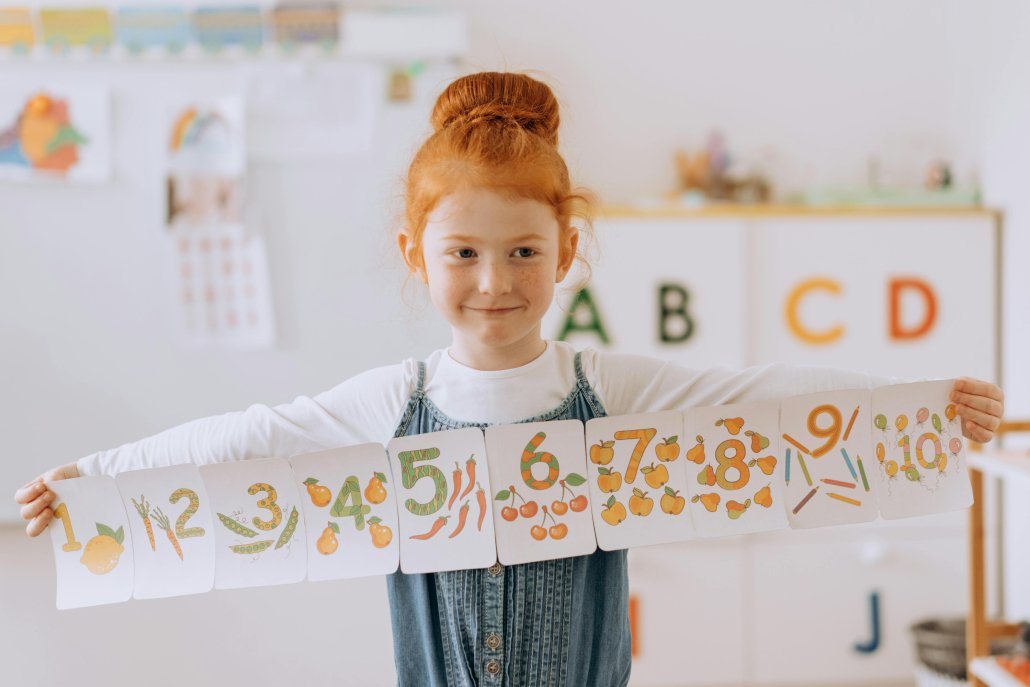
Many people may not recall their first day of school, but for some, it remains an unforgettable memory. Personally, I can only remember being taken to the bus stop, feeling a mix of excitement and shyness about the experience.
Looking back, I realize that my early education was significantly supported by programs like Head Start, which provided essential skills for young learners. Recently, I spoke with custodians who have spent several years in the school system, and they voiced their concerns about incoming Kindergarten students. They noted that many young children today seem unprepared for the demands of school.
In her article, “Ready or Not Kindergarten, Here We Come,” Kelly Galuski highlights important skills that can be taught to children before they enter the classroom, paving the way for a successful educational journey.
First, Galuski recommends that fostering independence at home is crucial for your child’s development. Start by encouraging them to dress themselves, manage their coat, use the bathroom independently, wash their hands without constant reminders, and put on their own shoes. Providing serving spoons at mealtimes allows your child to serve themselves and clear their own dishes, which are essential skills that will benefit them in various settings, from the coatroom to the lunchroom.
Focus on self-help skills by teaching your child to wipe their face after meals and blow their nose without assistance. It’s equally important for them to feel comfortable asking an adult for help when necessary.
Establishing and following routines can significantly ease the transition to school. Create consistent morning habits, such as waking up at the same time, getting dressed, and enjoying breakfast together. These routines will help your child adjust more smoothly to a school environment.
Lastly, acknowledge your child’s feelings about starting school. Avoid overwhelming them with discussions about school, especially until the end of summer. Whether they express excitement or nervousness, take the time to validate their emotions and provide reassurance. By focusing on these key areas—independence, self-help skills, routines, and emotional acknowledgment—parents can effectively prepare their children for successful transitions into school and beyond.
https://youthfirstinc.org/wp-content/uploads/2025/06/Girl-kindergartner-scaled.jpg17072560Youth Firsthttps://youthfirstinc.org/wp-content/uploads/2017/06/340x156_YouthFirst_logo_color-300x138.pngYouth First2025-06-18 16:25:002025-06-25 16:34:32Preparing Children for Kindergarten: Skills for Early Success
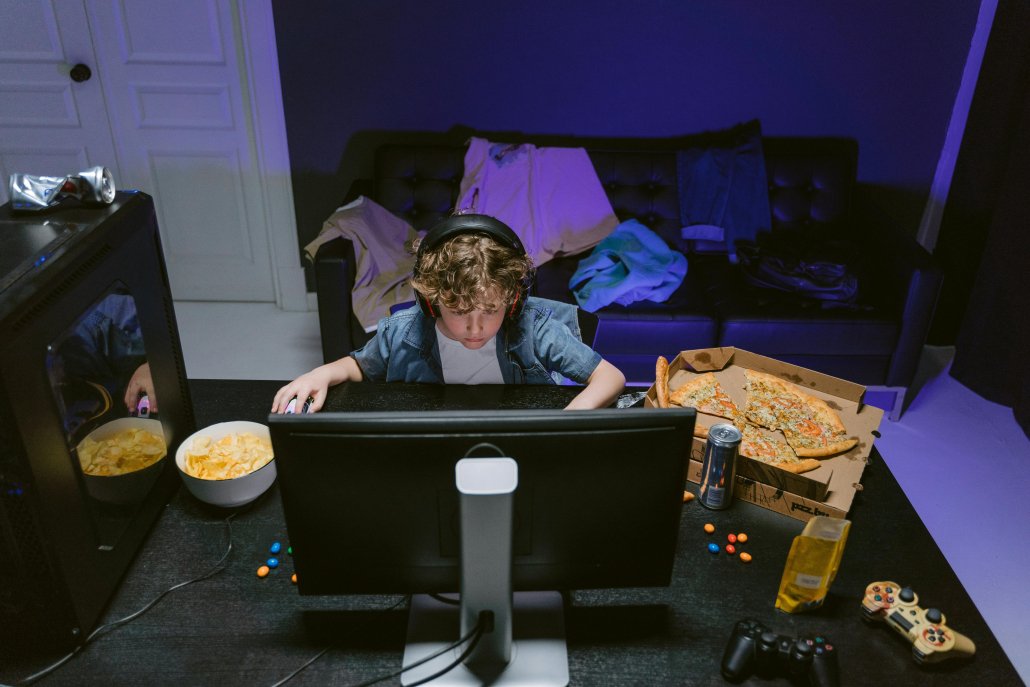
Originally created for gamers, the app Discord has expanded into a platform for socializing and building communities around shared interests. While it provides valuable opportunities for connection, there are concerns about its impact on teen mental health.
Benefits
Discord helps teenagers build meaningful connections with peers, especially those who may feel isolated in their daily lives. The platform enables teens to join servers based on their interests, such as gaming, school clubs, or hobbies like art and coding. This fosters a sense of belonging, allowing teens to form friendships across distances.
Specifically for gamers, Discord enhances socialization by allowing seamless voice and text communication during gameplay, building social skills and boosting confidence. Research shows that positive online communities can improve social well-being by providing teens with spaces to engage in shared activities. According to a study from the Journal of Adolescence, online communication can help reduce feelings of loneliness when used to form supportive connections.
Discord has also been adopted by schools and mental health organizations to offer support. For instance, Indiana Youth Group (IYG) uses Discord to host virtual support groups, providing teens with a safe, moderated environment where they can discuss challenges and share experiences.
Additionally, Discord has made strides in enhancing teen safety through various safeguards and resources. According to Discord’s official commitment to safety, the platform has implemented robust moderation tools, partnerships with safety experts, and an education program for parents and teens. Features like two-factor authentication, privacy settings, and family safety centers aim to ensure a safer experience. Discord also works with The Family Online Safety Institute to educate families on maintaining a positive digital environment.
Challenges
Despite its benefits, Discord can also expose teens to negative experiences. Cyberbullying and harassment remain persistent issues across digital platforms. In public or poorly-moderated servers, teens can encounter toxic behavior, leading to anxiety and emotional distress. Studies have found that cyberbullying can have significant negative effects on mental health, including increased anxiety, depression, and social withdrawal.
While Discord can connect teens with others, it may also lead to over-reliance on online interactions, replacing in-person relationships. Excessive use of the platform can contribute to feelings of loneliness, particularly if teens isolate themselves from face-to-face interactions. A 2017 study by Primack et al. found that increased time on social media platforms was associated with higher levels of perceived social isolation.
The fast-paced nature of Discord, where teens can participate in multiple servers simultaneously, can be overwhelming. This “server hopping” behavior, where users constantly switch between conversations and activities, can lead to stress and make it difficult to manage time effectively.
From an internet safety perspective, Discord’s open platform presents risks, such as exposure to inappropriate content or interactions with strangers. While Discord has made efforts to improve its moderation and security features, parents and teens must remain vigilant about privacy and safety settings.
Recommendations
Given the potential benefits and risks, how can teens, parents, and educators ensure a positive experience on Discord?
For Teens: It’s important to practice healthy communication habits. This means setting boundaries for screen time, avoiding toxic servers, and participating in communities that promote positivity and respect. Teens should also take advantage of Discord’s privacy settings, such as disabling direct messages from strangers and using two-factor authentication.
For Parents: Parents should have conversations with their teens about their online activities, monitor their Discord usage when appropriate, and ensure teens understand internet safety principles.
For Schools and Mental Health Providers: Schools can consider integrating platforms like Discord into structured activities such as online clubs or peer support groups, provided there are safeguards in place. Mental health providers can collaborate with schools or community groups to create virtual spaces where teens can access peer support in a safe and controlled environment.
Balancing Benefits and Challenges
Discord provides valuable opportunities for social connection and support but also presents challenges that need to be addressed. With the right guidance and safety measures, Discord can become an asset in fostering emotional health and building healthy relationships among teenagers.
https://youthfirstinc.org/wp-content/uploads/2025/06/Boy-gaming-scaled.jpg17072560Youth Firsthttps://youthfirstinc.org/wp-content/uploads/2017/06/340x156_YouthFirst_logo_color-300x138.pngYouth First2025-06-06 08:50:572025-06-06 08:50:58Discord’s Growing Impact on Teen Communication and Mental Health
Youth First is celebrating the City of Boonville for investing in Warrick County youth. The city recently awarded $50,000 to Youth First, Inc. to strengthen the mental health and well-being of students in Youth First partner schools Loge Elementary and Oakdale Elementary in Boonville, IN.
This significant gift, approved from opioid settlement funds, will enable Youth First to provide its school-based student assistance program and family and community prevention programs to help students build valuable life skills and healthy mindsets as they grow into thriving adults.
Youth First embeds highly trained mental health professionals in school buildings, partnering with 126 schools across 14 Indiana counties. Youth First Mental Health Professionals build caring relationships, promote healthy choices, foster readiness for positive change, and boost resiliency along with other valuable life skills.
Ashley Underwood, Youth First Mental Health Professional at Loge Elementary, stated: “It means so much to me that the City of Boonville values the programs and services Youth First is providing for students at Loge Elementary School. I see the difference mental health support makes for kids every day. It truly is something that every school needs. I’m so happy I can be there for our students, celebrating their wins on good days and helping them overcome obstacles on bad days.”
Youth First President & CEO Holli Sullivan shared, “Our kids and families are dealing with busier schedules, greater stress and more complex challenges than ever. That’s why it’s so important to have easy access to skilled mental health support in school buildings, where students, parents and teachers can take full advantage of it. We are grateful for a partnership with the City of Boonville to build strong futures for Warrick County kids.”
https://youthfirstinc.org/wp-content/uploads/2025/12/City-of-Boonville-May-2025-scaled.jpg17162560Youth Firsthttps://youthfirstinc.org/wp-content/uploads/2017/06/340x156_YouthFirst_logo_color-300x138.pngYouth First2025-06-03 15:25:082025-12-11 15:41:13City of Boonville Awards $50,000 to Youth First
Summer is here! The days are warmer, longer, and for most kids, a little more carefree. And to the delight of many parents/guardians, kids have more opportunities to be outside.
It is hard to think of anything better for your mind and body than spending time outdoors. Currently, however, many kids are spending more time inside on electronics. It is important for adults to encourage them to spend time outdoors.
According to the University of California – Davis, there are many benefits associated with children spending adequate time outdoors, including mental and physical health, cognitive development, stress reduction, and environmental awareness. Many studies have found that just spending an hour a day outside can reduce depression and anxiety.
Spending time outdoors is also important for very young children. It can improve gross motor skills, social skills, cognitive development, and creativity. It gets kids moving, creating stimulation, while making them think.
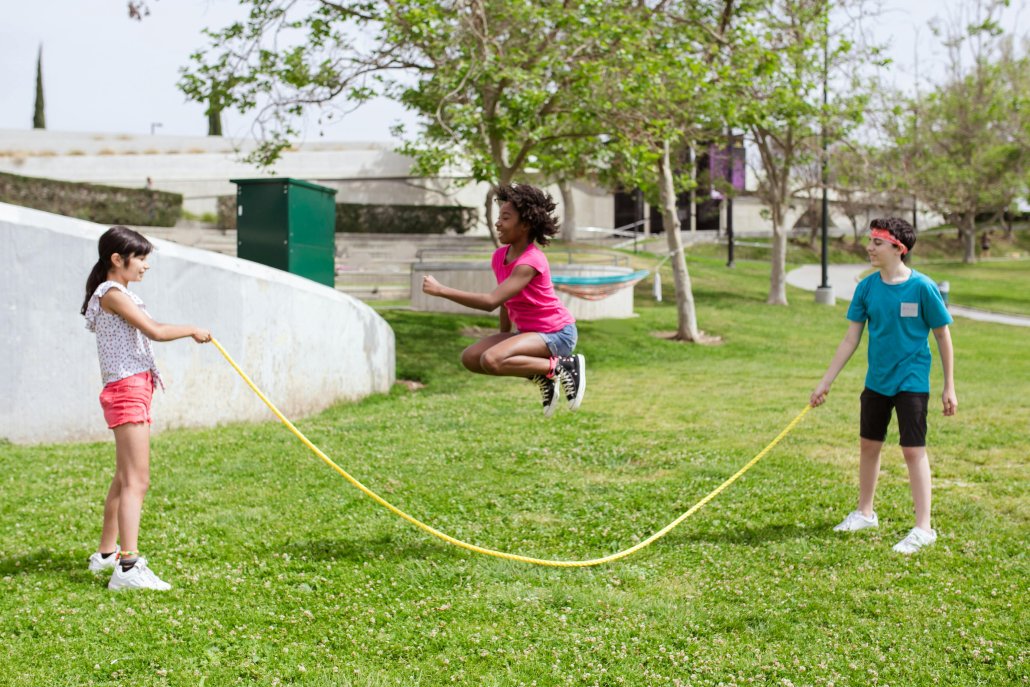
Physical health is one of the most obvious benefits of spending time outdoors. Outdoor play encourages movement, whether it be running, jumping, or climbing. These activities help children develop strong muscles and bones, improve cardiovascular health, and maintain a healthy weight. Sunlight exposure also helps the body produce vitamin D, which is essential for bone health and immune function.
Mental and emotional health are also enhanced by spending time outdoors. Outdoor environments reduce stress, anxiety, depression, and symptoms of attention deficit disorders, offering a calming effect that regulates emotions and boosts mood and energy levels.
Outdoor time fosters children’s cognitive development also. Unstructured play stimulates curiosity, creativity, and problem-solving skills. When kids build and explore, they are engaging in active learning that can’t be replicated in a classroom or on a screen.
Outdoor play can also provide opportunities for collaboration and communication. When children play with others, it builds their vocabulary and social skills. Outdoor play allows for more freedom and self-direction, helping children build confidence and independence.
In addition to all these developmental benefits, being outside is simply fun and fulfilling for children. Climbing a tree, splashing in a creek, or flying a kite brings joy and a sense of adventure that is hard to match indoors.
Encouraging outdoor play is one of the most effective ways to support our children’s overall health and development. There are endless opportunities and ideas of ways to spend time outside with your littles and it does not have to be expensive. Some examples include a hike in the woods, a scavenger hunt, or a game of tag in the yard. Time outdoors nurtures the body, mind, and spirit, helping children grow into healthier, happier, and more well-rounded individuals.
Adults can also be good role models for children. Let’s all put those electronics away and get outside!
https://youthfirstinc.org/wp-content/uploads/2025/05/Kids-outside-jumping-rope-scaled.jpg17072560Youth Firsthttps://youthfirstinc.org/wp-content/uploads/2017/06/340x156_YouthFirst_logo_color-300x138.pngYouth First2025-05-28 11:41:112025-05-28 11:41:13Kids and Adults Benefit from Spending Time Outdoors