• Español Familias
Youth First
  • About
    • Who We Are
      • Mission, Vision & Values
      • Outcomes & Impact
      • Stories of Change
      • History
      • Staff
      • Youth First Mental Health Professionals
      • Board of Directors
      • Leading Sponsors
      • Careers
    • Where We Are
      • Catholic Diocese of Evansville
      • Daviess
      • Dubois
      • Gibson
      • Greene
      • Knox
      • Lawrence
      • Martin
      • Morgan
      • Orange
      • Perry
      • Posey
      • Spencer
      • Vanderburgh
      • Warrick
  • Programs
    • For Schools & Students
      • Youth First Mental Health Professionals
      • Al’s Pals
      • C.A.S.T.
      • LifeSkills Training
      • Reconnecting Youth
      • Teen Series
      • Tween Series
      • WhyTry
    • For Families & Youth
      • Camp Memories
      • Family First
      • Family First Foundations
      • In It to Win It
    • For Communities
      • Talk – They Hear You
      • The Truth Is
  • Resources
    • Resiliency Resources
    • Advice from Our Professionals
    • Other Helpful Resources
  • News
    • Newsletter
    • News Releases
  • Events
    • Calendar of Events/Programs
    • Youth First Warrick County Golf Scramble
    • Youth First Breakfast of Champions
    • Youth First Benefit Auction
  • Careers
  • Contact
  • Support
    • Donate
    • Volunteer
  • Click to open the search input field Click to open the search input field Search
  • Menu Menu
  • Link to Facebook
  • Link to Instagram
  • Link to Youtube
  • Link to LinkedIn

Tag Archive for: Kelsey Weber

Support for Children Experiencing Domestic Violence

All Posts, Counties, Youth First Blog

By Kelsey Weber, MSW, LCSW – February 25,2025 –
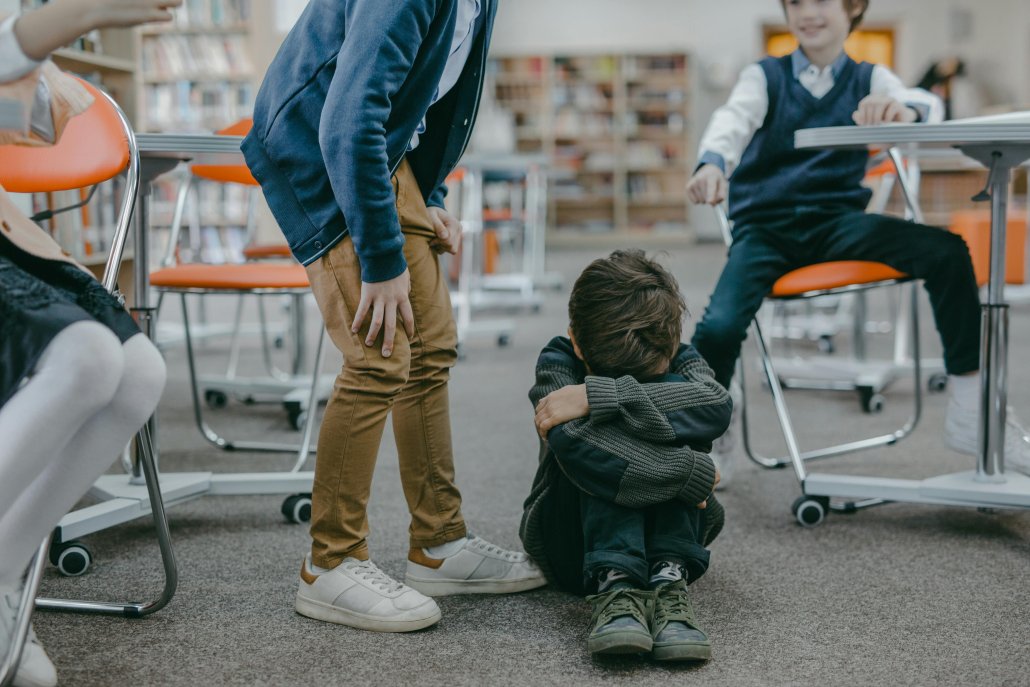
Family and domestic violence is a common problem in the United States. According to the National Institutes of Health (NIH), one in four women and one in nine men are victims of domestic violence. Unfortunately, children in the home are also victims. Domestic violence can have severe effects on a child’s emotional, social, and academic well-being. Therefore, parents, caregivers, and educators must collaborate to support children experiencing domestic violence.

Let’s start in the classroom. Educators need to create a safe space where the child feels comfortable communicating, sharing experiences, and expressing emotions. Establishing open communication with a student in the classroom is the first step in establishing trust. Educators can establish open communication by encouraging gentle conversations, engaging in active listening without judgment, and providing reassurance that the child is not alone. Encouraging students to express their feelings aids in the healing process.

To effectively support a child, it is important to recognize the signs of trauma. Children exposed to domestic violence may exhibit behavioral changes at home and/or school. These signs may include, but are not limited to, withdrawal, aggression, anger outbursts, and anxiety. Parents and caregivers should monitor changes and seek professional help when necessary. Identifying a trusted adult that your child can speak to is crucial, providing an additional layer of emotional support.

It is also essential for parents to collaborate with the school by informing teachers/support staff about situations that have arisen, so that staff can support them academically and emotionally. Many schools have counselors or mental health professionals in the building who can offer additional support if needed. Working together with a child’s school ensures that the student receives support when needed.

When teachers are aware that a student experiences trauma at home, they can tailor their educational approach to meet the unique needs of that student. Recognizing that students may face challenges in concentration or participation, teachers can implement strategies such as breaks, flexible deadlines for assignments, additional emotional support outside the classroom, and calming areas inside the classroom. Creating an understanding classroom environment is key to contributing to the child’s academic success.

School staff can also encourage extracurricular activities as a positive outlet for students. Engaging in activities they enjoy can take their mind off the challenges they face at home. This not only contributes to their overall well-being but also builds self-esteem and fosters a sense of accomplishment.

How can parents help at home? Establishing consistent routines provides a sense of stability and comfort at home for a child who may be navigating a tough environment. Creating structure in their daily routine and providing a safe space can contribute to a child’s overall sense of security and create an atmosphere of learning and positive emotional well-being. It is also important for parents and caregivers to actively listen to their child and provide a safe space for them to talk about their feelings when needed.

In cases of domestic violence, seeking professional help is imperative. Connecting with local support services, such as counseling or advocacy organizations, can provide the child and their family with the assistance needed to navigate the complexities of the situation. These services often extend to educational support, ensuring a holistic approach to the child’s well-being.

In conclusion, supporting a student at home dealing with domestic violence requires a collaborative effort between parents, caregivers, educators, and the broader community. By establishing open communication, recognizing signs of trauma, creating stability at home, collaborating with schools, tailoring educational approaches, and seeking professional help when needed, we can contribute to the healing and growth of these resilient individuals. Every child deserves a safe and supportive environment, and by working together, we can make a meaningful impact on their journey towards recovery and success.

Kelsey Weber, MSW, LCSW, is a Youth First Mental Health Professional at Chandler Elementary School in Warrick County. Youth First, Inc., is a nonprofit dedicated to strengthening youth and families. Youth First provides over 100 highly trained mental health professionals (primarily master’s level social workers), prevention programs, parent engagement coordinators, and bilingual support personnel to 130 schools across 14 Indiana counties. Over 55,000 youth and families each year are served by Youth First’s school-based social work and community programs that promote mental health, prevent substance misuse, and maximize student success. To learn more about Youth First, visit youthfirstinc.org or call 812-421-8336.

February 25, 2026/by Youth First
https://youthfirstinc.org/wp-content/uploads/2026/02/Sad-child-in-classroom-scaled.jpg 1707 2560 Youth First https://youthfirstinc.org/wp-content/uploads/2017/06/340x156_YouthFirst_logo_color-300x138.png Youth First2026-02-25 09:37:552026-02-25 09:37:57Support for Children Experiencing Domestic Violence

Virtual Learning and the Pandemic’s Effect on Educational Achievement

All Posts, Counties, Youth First Blog

By Kelsey Weber, LCSW

The 2022-2023 school year is in session and many teachers are witnessing the effects the COVID-19 pandemic had on learning. With students returning to in-person learning, teachers are noticing a large learning gap.

According to the Horace Mann Educators Corporation, teachers are reporting significant learning loss for many students, both academically, socially, and emotionally. Data from the CDC is also showing that virtual learning presents more risks than in-person learning related to parent and child mental and emotional health. Teachers have estimated their students are behind by more than three months. 

A separate study by McKinsey & Company found similar results that revealed virtual learning was a poor substitute for in-person learning. Some teachers reported the overall effectiveness of virtual learning only slightly better than skipping school completely. Educators in schools with higher percentages of low-income families found that virtual learning was ineffective and students struggled more. This is particularly true among black and Hispanic students, as well as students with disabilities.

One of the biggest obstacles teachers faced when they returned to teaching in-person was the gap between high-performing students and those who struggle academically. So, where do we go from here? As teachers, what can we do to help our students succeed?

1.)   Listen to your students’ concerns. It is essential as educators to demonstrate understanding as well as empathy. Offer one-on-one conversations with your students to show you care, want to listen, and help.

2.)   Check in with your students often. Some may need more time to complete a task or to understand an assignment. When working in the classroom, provide students with opportunities to take breaks, move around, and talk with their peers.

3.)   Watch for changes in behaviors. If you notice changes, check in with that student and seek additional support from your school counselor or social worker. For example, if a student is coming to class each day crying, have a conversation about why they are upset. Providing extra support and watching for these signs can help bridge the gap.

4.)   Offer after school support for students. Offering an afterschool program or meeting time can be beneficial for students who are falling behind. This will allow one-on-one time with your student and time to ask questions, catch up on work, and work at their own pace.

5.)   Stay connected with your students and families. If you notice a student is struggling, reach out to the student and their family. More than likely, if they are showing signs of stress at school they are showing signs at home as well.

6.)   Take care of yourself. Working in education has its own challenges, but more so post-pandemic. Be sure to know your limits, maintain healthy eating and sleeping habits, rest, exercise, connect with friends and family, and seek support when you need it.

September 16, 2022/by Youth First
https://youthfirstinc.org/wp-content/uploads/2022/09/teacher-and-students.jpeg 750 1125 Youth First https://youthfirstinc.org/wp-content/uploads/2017/06/340x156_YouthFirst_logo_color-300x138.png Youth First2022-09-16 15:42:472022-09-16 15:51:25Virtual Learning and the Pandemic’s Effect on Educational Achievement

The Importance of Family Involvement at School

All Posts, Counties, Youth First Blog

By Kelsey Weber, LSW – February 10, 2021-

Many people gauge levels of student academic success based on teacher status, academic grades, or socioeconomic status. However, the real key to student success is none of these. The best indicator for student academic success depends on how involved families are with learning at home and in their child’s school.

Families involved in their child’s education at home and at school have higher academic achievements than those who do not. Many staff members such as social workers, teachers, counselors, and administrators play a vital role in connecting families with their school by encouraging family engagement. Family engagement is not only parent interest in their child’s learning; it is a shared responsibility with staff and teachers to meet educational goals and encourage a student’s growth.

When families are engaged in their child’s school life, kids develop a love of learning that will expand their knowledge base and sense of wonder. When teachers focus on family relationships, they often see change with those children in their classroom. The more teachers involve parents, the more motivation, positive behaviors, and good grades increase.

Teachers often encourage parent engagement and involvement by inviting parents to school meetings or events, asking them to volunteer at school or get involved with PTSA, or suggesting parents meet with their child’s teacher to set goals and objectives.

When parents and teachers commit to this learning atmosphere and work together to help students succeed, this is when we see success and growth. So, why is parent involvement so important? When school staff establishes relationships with families early on, families will feel more welcome and more willing to be involved in their child’s education. If those relationships are not established early on, parents may feel they are not supposed to be part of their child’s learning process.

Other factors can create a disconnect between parents and teachers, such as scheduling conflicts, transportation issues, and lack of cultural awareness for low-income or minority families. Working together to overcome these obstacles is an essential part of being an active participant in a child’s education.

Children with engaged parents are more likely to earn higher grades and test scores, graduate from high school and attend post-secondary education, develop self-confidence and motivation in the classroom, and have better social skills and classroom behavior. According to waterford.org, children with engaged families are also less likely to struggle with low self-esteem, develop behavioral issues, or need redirection from their teacher in the classroom.

So, how can parents become more involved with their child’s school life?

  1. Save contact information for your child’s teachers to be sure you can easily
    address any concerns or questions regarding your child’s progress.
  2. Connect with the school by attending school events, meetings, and parent-teacher committees.
  3. Discuss classroom goals with teachers.
  4. Be responsive to both positive and negative feedback from teachers about your
    child’s progress.

Teachers can encourage more family involvement in the following ways:

  1. Give parents your contact information to encourage parents to reach out when
    needed and establish a strong communication with the teacher.
  2. Invite parents to connect with the school by sharing school events, meetings, and parent-teacher committees.
  3. Discuss classroom goals with parents.
  4. Establish a connection with parents in person as much as possible. Communicate often with both positive and negative phone calls, upcoming events, and any classroom concerns you may have.

When parents and school staff work together, student academic success grows. By working together and establishing a relationship early on, this creates a positive school and working environment.

February 10, 2021/by Youth First
https://youthfirstinc.org/wp-content/uploads/2021/02/online-learning.jpeg 1255 1880 Youth First https://youthfirstinc.org/wp-content/uploads/2017/06/340x156_YouthFirst_logo_color-300x138.png Youth First2021-02-10 13:51:182021-02-10 15:33:23The Importance of Family Involvement at School

Dropping Technology and Returning to the Great Outdoors

outdoor play

By Kelsey Weber, LSW, March 20, 2018 –

“Dinner’s ready, it’s time to come in.”  “But Mom, just five more minutes!”

Do you remember playing outside until dark, hearing your parents call for you to come home and not wanting to go inside?

Fast forward 20 years.  Does it seem as though your child is always inside watching TV, playing video games or accessing social media on their phone?

In the last two decades, childhood outdoor play has decreased while indoor play has increased. This has taken a toll mentally and physically on today’s youth.

Spending less time outdoors has contributed to a rise in childhood obesity and the decline of creativity, concentration and social skills.

The National Wildlife Federation states the average American child spends as little as 30 minutes in unstructured outdoor play each day and more than seven hours each day in front of a screen, compared to three hours a day in 1995.  In our expanding world of technology, it is extremely difficult for children to get away from electronics.

The American Academy of Pediatrics recommends parents monitor screen time for children ages 1-18 and never allow it to replace healthy activities – particularly sleep, social interaction and physical activity.

Too much screen time affects children in the following ways:

  • Children who consistently spend more than four hours per day on a screen are more likely to be overweight.
  • Children who watch violent TV shows or play violent video games are more likely to display aggressive behaviors or fear the world around them.
  • Children can be influenced by TV and video game characters that often display risky behaviors such as smoking and drinking.

So, what are the benefits of dropping technology and heading outside?

Evidence demonstrates the many benefits nature has on children’s psychological and physical well-being. Recent studies have shown the necessity of spending time outdoors to reduce stress, increase creativity, and improve physical health and concentration.

Children who play outside are smarter, happier, more attentive, and less anxious than children who spend more time indoors.  Play in nature includes, but is not limited to, these benefits:

  • Children build confidence by having less structure than most types of indoor play. Interacting in outdoor enivronments is limitless and allows children to choose how they treat and play in nature.
  • Nature promotes creativity and imagination by allowing children to interact meaningfully with their surroundings, which develops free thinking, creation of new activities, and viewing the world in different ways.
  • Children learn responsibility by taking care of living things and the environment that surrounds them.
  • Nature provides more stimulation than TV or video games due to the activation of more senses by being able to see, hear, smell, and touch the outdoors.
  • Nature helps increase physical activity.
  • Nature increases children’s ability to focus, which decreases the negative effects associated with ADHD.
  • Nature creates a sense of wonder. For example, a child can watch animals interacting and ask questions to learn and understand.
  • Nature reduces stress and fatigue. Having wide open spaces enables children to run and play while ignoring distractions, burning energy, and decreasing daily stressors that exhaust their brains.

Although your child may want screen time and it may sometimes be the easier approach, the benefits of nature outweigh any possible benefits of screen time.

So, what can parents do to help get their children off the couch and outside? Parents can take their kids on walks, encourage outdoor games with friends, limit screen time per day, plan regular times for outdoor play, create activities with family members, and much more.

“It’s not so much what children know about nature that’s important, as what happens to them when they are in nature.”- Unknown

March 23, 2018/by Media Mix
https://youthfirstinc.org/wp-content/uploads/2017/06/340x156_YouthFirst_logo_color-300x138.png 0 0 Media Mix https://youthfirstinc.org/wp-content/uploads/2017/06/340x156_YouthFirst_logo_color-300x138.png Media Mix2018-03-23 09:02:332018-08-02 15:02:37Dropping Technology and Returning to the Great Outdoors
Search Search

Topics

  • Youth First to Honor Carol Lynch as 2026 Dr. William Wooten ChampionJuly 23, 2026 - 3:11 pm
  • How to Help Your Kids Make Good DecisionsJuly 22, 2026 - 2:22 pm
  • Youth First Receives $40,000 Award from CenterPoint Energy FoundationJuly 16, 2026 - 9:34 am
  • Establishing a Smooth Transition from Home to SchoolJuly 15, 2026 - 2:16 pm
  • Promoting Patience in a Fast-Moving WorldJuly 8, 2026 - 2:33 pm

Support Youth First

Help protect and heal the hearts of children by supporting Youth First!

Donate

Where to find us

111 SE Third Street, Suite 405
Evansville, IN 47708

Mon–Fri: 8:00–5:00
Sat–Sun: Closed

Get In Touch

812-421-8336

Contact
Copyright © 2026 Youth First, Inc. | Website by Media Mix
  • Website designed by Media Mix Advertising
  • Privacy Policy
Scroll to top Scroll to top Scroll to top