• Español Familias
Youth First
  • About
    • Who We Are
      • Mission, Vision & Values
      • Outcomes & Impact
      • Stories of Change
      • History
      • Staff
      • Youth First Mental Health Professionals
      • Board of Directors
      • Leading Sponsors
      • Careers
    • Where We Are
      • Catholic Diocese of Evansville
      • Daviess
      • Dubois
      • Gibson
      • Greene
      • Knox
      • Lawrence
      • Martin
      • Morgan
      • Orange
      • Perry
      • Posey
      • Spencer
      • Vanderburgh
      • Warrick
  • Programs
    • For Schools & Students
      • Youth First Mental Health Professionals
      • Al’s Pals
      • C.A.S.T.
      • LifeSkills Training
      • Reconnecting Youth
      • Teen Series
      • Tween Series
      • WhyTry
    • For Families & Youth
      • Camp Memories
      • Family First
      • Family First Foundations
      • In It to Win It
    • For Communities
      • Talk – They Hear You
      • The Truth Is
  • Resources
    • Resiliency Resources
    • Advice from Our Professionals
    • Other Helpful Resources
  • News
    • Newsletter
    • News Releases
  • Events
    • Calendar of Events/Programs
    • Youth First Warrick County Golf Scramble
    • Youth First Breakfast of Champions
    • Youth First Benefit Auction
  • Careers
  • Contact
  • Support
    • Donate
    • Volunteer
  • Click to open the search input field Click to open the search input field Search
  • Menu Menu
  • Link to Facebook
  • Link to Instagram
  • Link to Youtube
  • Link to LinkedIn

Tag Archive for: Youth First Social Worker

Establishing a Smooth Transition from Home to School

All Posts, Counties, Youth First Blog

By Lisa Glahn, MSW, LCSW – July 15, 2026 –

Returning to school after a break can be challenging for many children, especially after extended time away during summer or winter breaks. Typically, the longer students are out of their routine, the more challenging it can be to adjust to early mornings, structured schedules, and classroom expectations. Fortunately, there are several simple strategies parents and guardians can use to make this transition smoother and create a more positive start to each school day.

One of the most effective ways to support a successful return to school is by establishing a consistent morning routine. Predictable schedules help children feel prepared, reduce stress, and encourage independence. Creating a visual schedule with pictures or simple words can be especially helpful for younger children or those who benefit from visual reminders. As children practice the same routine each morning, they become more confident and develop healthy habits that make getting ready for school easier.

Waking up with enough time to prepare for the day is another important part of a successful morning. Oversleeping often leads to feeling rushed, which can increase stress for both children and parents. When mornings are hurried, children may skip breakfast, forget homework or school supplies, or arrive at school feeling anxious. Allowing extra time to wake up, eat a healthy breakfast, and get organized helps create a calm environment that sets the stage for a positive school day.

A special goodbye ritual can also make school drop-offs easier. Whether it is a hug, a high-five, a secret handshake, or a simple phrase shared each morning, a consistent goodbye routine provides reassurance and strengthens the connection between a child and their parent or guardian. These small moments can help children feel loved, supported, and ready to begin their day with confidence.

Talking with your child about the upcoming school day is another helpful strategy. Discussing what they can expect allows them to ask questions, voice concerns, and share any worries they may have. These conversations allow parents to offer encouragement and problem-solving while helping children feel more prepared for the day ahead.

Positive reinforcement can also encourage a smoother transition back to school. Simple reward systems, such as sticker charts or earning small privileges, can motivate children to complete their morning routine and enter the school building with confidence. Celebrating progress, even in small ways, reinforces positive behaviors and builds motivation over time.

For some children, bringing a comfort item can provide an added sense of security. Before sending an item to school, it is helpful to check with the teacher about classroom expectations. While stuffed animals or blankets may stay in the car, a family photo tucked into a backpack, folder, or locker can offer comfort throughout the day. Including these comforting items as part of the morning routine can help ease separation anxiety.

Finally, never underestimate the power of encouragement. Offering positive affirmations, praising your child’s efforts, and reminding them that you believe in their abilities can boost confidence and self-esteem. Even a short note tucked into a lunchbox or backpack can provide reassurance and brighten their day. With patience, consistency, and support, families can help children return to school feeling confident, prepared, and excited to learn.

Lisa Glahn, MSW, LCSW, is a Youth First Mental Health Professional at St. John the Baptist Catholic School in Warrick County and St. Bernard Catholic School in Spencer County. Youth First, Inc., is a nonprofit dedicated to strengthening youth and families. Youth First provides over 100 highly trained mental health professionals (primarily master’s level social workers), prevention programs, parent engagement coordinators, and bilingual support personnel to 130 schools across 14 Indiana counties. Over 55,000 youth and families each year are served by Youth First’s school-based social work and community programs that promote mental health, prevent substance misuse, and maximize student success. To learn more about Youth First, visit youthfirstinc.org or call 812-421-8336.

July 15, 2026/by Youth First
https://youthfirstinc.org/wp-content/uploads/2026/07/School-dropoff-scaled.jpg 2560 1707 Youth First https://youthfirstinc.org/wp-content/uploads/2017/06/340x156_YouthFirst_logo_color-300x138.png Youth First2026-07-15 14:16:032026-07-15 14:16:03Establishing a Smooth Transition from Home to School

Promoting Patience in a Fast-Moving World

All Posts, Counties, Youth First Blog

By Emily Bernhardt, MSW, LCSW – July 8, 2026 –

Patience is a virtue. Good things come to those who wait. There are so many phrases we have heard time and time again that emphasize the importance of patience. Yet, even if we agree that being patient is important, it can be so hard to practice.

For a long time, I thought patience was a personality trait you were born with, like how some people are born funny or athletic. However, I have realized that patience can be learned, and though it may be hard, some practices help strengthen our ability to be patient.

Why should we make the change? You may be thinking, “I’m 40 years old – why should I make this change now after all this time?” Of course, being patient helps us strengthen and maintain our relationships, but it also offers health benefits. Patience supports our mental health and well-being; it helps us reach personal goals, is linked to hopefulness and positive outlooks, and is also associated with better outcomes. People who are patient report fewer health problems such as headaches, acne, ulcers, diarrhea, and pneumonia. Sign me up!

So now you may be thinking, “Okay fine, that sounds great, but how? I’ve tried being patient, and it just doesn’t come naturally to me.” There are many ways to practice patience and improve. Give yourself time and grace, because like any skill, it takes time. No one would expect to become a basketball star overnight, and learning a new skill such as patience is no different. It may take time, but it is possible.

One skill that you can incorporate to practice patience is mindfulness. Mindfulness is staying in the present moment. Think of it like “mind full” vs. mindful. When our mind is full of overwhelming thoughts or a checklist of future things we need to do, it is harder to stay patient in the present moment. Some examples of mindfulness include taking time for meditation, keeping a journal, or practicing breathing techniques.

Another skill that is helpful when our patience is thin is acknowledging what we can and cannot control. If your house is messy and there’s a long list of things adding to your stress, sit down and find time to knock things out on the to-do list. That is something in your control. However, if you have errands to run and you know there’s going to be a long line at the grocery store or heavy traffic to drive through—that’s not in your control. Sometimes just recognizing what is out of our control shifts our mindset. And is there a way you can put a positive spin on those situations? Try listening to a positive podcast or uplifting music while you wait.

Here is one last skill that will help build your tolerance for life’s setbacks. If you can practice patience with smaller setbacks that come your way, you will be able to handle the bigger ones much more easily. It’s okay to slow down in general, which can help you stay patient in other situations. Small ways you can practice include letting a car go in front of you in traffic, letting people get in front of you in line, trying a new hobby that promotes patience (like knitting), and ignoring notifications on your phone for at least a few minutes.

Like all skills, learning patience takes time. However, the more we incorporate it into the small moments of everyday life, the more likely we will be to reach for that skill in the bigger moments. Not only will it benefit your mental and physical health, but it is also important to model this skill for our children and other important relationships around us. When our children see us keep our cool in a stressful situation, we show them that this is possible for them too.

Emily Bernhardt, MSW, LCSW, is a Youth First Mental Health Professional at Signature School in Vanderburgh County. Youth First, Inc., is a nonprofit dedicated to strengthening youth and families. Youth First provides over 100 highly trained mental health professionals (primarily master’s level social workers), prevention programs, parent engagement coordinators, and bilingual support personnel to 130 schools across 14 Indiana counties. Over 55,000 youth and families each year are served by Youth First’s school-based social work and community programs that promote mental health, prevent substance misuse, and maximize student success. To learn more about Youth First, visit youthfirstinc.org or call 812-421-8336.

July 8, 2026/by Youth First
https://youthfirstinc.org/wp-content/uploads/2026/07/Mother-and-daughter-cooking-scaled.jpg 1709 2560 Youth First https://youthfirstinc.org/wp-content/uploads/2017/06/340x156_YouthFirst_logo_color-300x138.png Youth First2026-07-08 14:33:262026-07-08 14:34:25Promoting Patience in a Fast-Moving World

Prepare Your Child for Kindergarten this Summer

All Posts, Counties, Youth First Blog

By Tiffany Austin, MSW, LSW – June 24, 2026 –

Summer always seems to fly by. Before long, August arrives and a new school year begins. For incoming kindergarteners and their families, this milestone can bring a mix of excitement and nervousness. While children may look forward to new experiences, parents and caregivers often wonder how to best prepare them for this important transition.

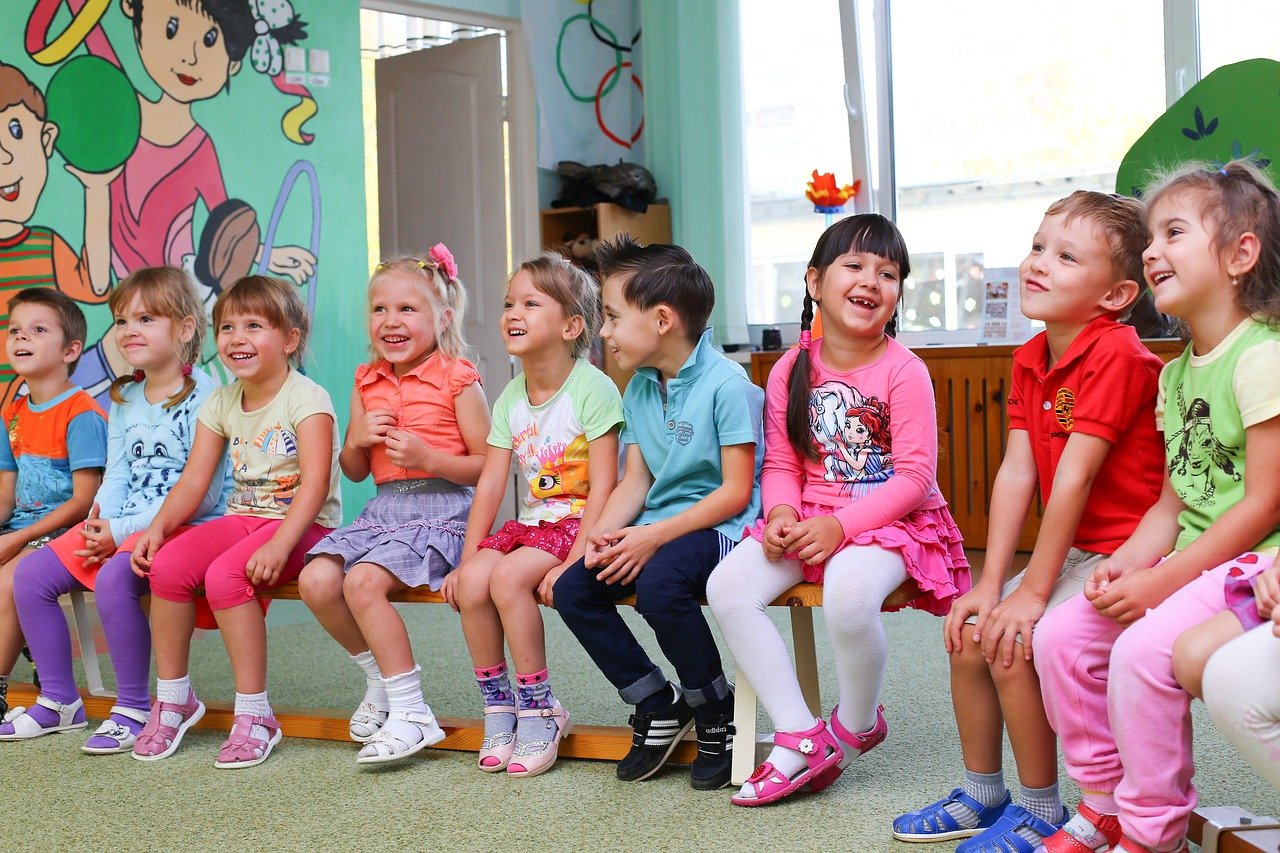
The following are five ways families can help children prepare for kindergarten this summer:

  1. Maintain a Regular Schedule. The school day is very structured, with set time frames for different subjects, activities and events. Adjusting to this level of routine can be challenging for some children. Establishing a consistent daily schedule at home can help children become more comfortable with routines and expectations. While a home schedule may not mirror the school day exactly, it can reinforce the idea that specific times are set aside for specific activities and responsibilities.
  2. Encourage Independence. Children at this age take great pride in completing tasks on their own. Encouraging independence through everyday tasks can build self-confidence and help children feel prepared for kindergarten. Practice skills such as putting on shoes, zipping jackets, packing a backpack, and opening lunch items. Creating a simple checklist for leaving the house can also help children develop self-help skills. Tasks might include using the restroom, putting on shoes, fastening a seatbelt, and gathering belongings.
  3. Read Books about Kindergarten. Reading books about starting kindergarten is a great way to prepare children for this new experience. Many books explore common feelings associated with the first day of school, including excitement, curiosity, and nervousness. These stories help children understand that their emotions are normal and shared by others. Reading together also creates opportunities for parents/caregivers to answer questions, discuss concerns, and introduce healthy coping strategies. These conversations can help ease anxiety and build confidence before school begins.
  4. Focus on Social Skills. Kindergarten requires children to interact with peers, follow group expectations, and build new relationships. Providing opportunities for your child to play with others can help strengthen important social skills. Whether through playdates, family gatherings, community activities, or visits to the park, children can practice sharing, taking turns, cooperating, resolving conflicts, and using good manners. These experiences help children gain confidence in social settings and prepare them for success in the classroom.
  5. Practice the School Morning Routine. A few weeks before school starts, begin practicing the morning routine your child will follow during the school year. Gradually adjust bedtimes and wake-up times to align with the school schedule. It can also be helpful to familiarize your child with the trip to school by driving the route and pointing out where they will enter the building. Practicing these routines ahead of time can reduce anxiety and help children feel more comfortable on the first day.

Kindergarten is an exciting milestone filled with opportunities for learning, growth, and new friendships. By taking time to practice these five strategies, families can help children approach the first day with greater confidence and enthusiasm. While some nervousness is natural, preparation can make the transition smoother for both children and parents/caregivers. If you have concerns about your child’s adjustment to school, please reach out to your school’s Youth First Mental Health Professional or school counselor for support and guidance.

Tiffany Austin, MSW, LSW, is a Youth First Mental Health Professional at Glenwood Leadership Academy in Vanderburgh County. Youth First, Inc., is a nonprofit dedicated to strengthening youth and families. Youth First provides over 100 highly trained mental health professionals (primarily master’s level social workers), prevention programs, parent engagement coordinators, and bilingual support personnel to 130 schools across 14 Indiana counties. Over 55,000 youth and families each year are served by Youth First’s school-based social work and community programs that promote mental health, prevent substance misuse, and maximize student success. To learn more about Youth First, visit youthfirstinc.org or call 812-421-8336.

 

June 24, 2026/by Youth First
https://youthfirstinc.org/wp-content/uploads/2020/07/kids-in-kindergarten-e1602020248267.jpg 686 1030 Youth First https://youthfirstinc.org/wp-content/uploads/2017/06/340x156_YouthFirst_logo_color-300x138.png Youth First2026-06-24 11:21:072026-06-24 11:22:31Prepare Your Child for Kindergarten this Summer

Is Your Child Suffering from “Digital Overload?”

All Posts, Counties, Youth First Blog

By Camryn Cater, MSW, LSW – May 20, 2026 –

Technology. It’s everywhere, woven into the fabric of our daily lives, influencing how we work, communicate and live. While the use of technology can be beneficial to children, it can also have negative effects. Excessive screen time can impact children cognitively, academically, physically, socially, behaviorally, and mentally.

As our world evolves, technology is reducing real-world interaction, creating continuous stimulation and exposing children to harmful content at increasingly younger ages. Our technology-driven world is physically altering children’s brain chemistry, creating many risks during critical developmental years. Therefore, parents and guardians need to take steps to create a safer environment and promote a healthy balance for kids.

Children are often introduced to tablets, iPads, iPhones, and apps like YouTube long before they enter kindergarten. Because the early years are critical to cognitive and social development, the experiences children have during this time can strongly influence their future success. Although technology can improve classroom efficiency and provide valuable educational support, excessive use may hinder a student’s ability to develop essential learning skills. 

High exposure to technology can significantly contribute to lower academic achievement. The instant gratification provided by digital devices and media may shorten children’s attention spans, making it more difficult for them to concentrate on slower-paced or less stimulating tasks. In addition, constant overstimulation from technology can also interfere with healthy brain development and negatively impact memory, focus, and critical thinking abilities. Without these essential foundational skills, students may struggle to meet academic expectations and perform successfully in school. 

Increased technology use can also lead to physical health problems. Children are spending less time playing outdoors, engaging in imaginative play, and participating in physical activity. This shift has contributed to increased rates of obesity among children and teens. Another concern is prolonged exposure to blue light, which can cause eye strain and sleep disturbances.

Technology also impacts children socially. With fewer in-person interactions, school may be one of the only places children socialize face-to-face with peers. Children who spend excessive time on devices may struggle more with conflict resolution, empathy, and basic social interactions. Social media further complicates this by exposing children to highlight reels of influencers, celebrities, and peers. Constant comparison can lead to lower self-esteem, which may contribute to mental health struggles such as anxiety and depression.

Overconsumption of technology can also increase the risk of cyberbullying. Children now communicate with peers at all hours of the day, allowing them to hide behind screens and act unkindly, sometimes anonymously. Children may see posts showing events they were not invited to or may be included in group messages they do not want to be part of. They may also be exposed to information that is not age appropriate.

How can parents avoid digital overload in their children? First, establish clear, consistent boundaries around screen time (such as no screens allowed in bedrooms, at the dinner table, or after a certain time). Involve your kids in creating a family media plan, which makes rules around screen time feel like a shared agreement rather than a punishment.

Parents should also model healthy screen-time habits in their own daily lives. Encourage alternative, non-digital hobbies such as reading, playing board games, crafting, playing sports, and engaging in outdoor activities. In addition, parents should guide children toward interactive or educational content rather than passive scrolling. Whenever possible, co-view media with your kids to promote discussion, engagement, and meaningful family interaction.

Parental control tools and software can be used to block inappropriate content and set screen time limits. And most importantly, have open conversations with your kids about why limits exist and to “pause, think and report” when they encounter disturbing content or someone acting inappropriately online.

For more specific age-appropriate guidelines, consider the 3-6-9-12 rule to guide your approach: No screens before age 3, no consoles before age 6, no internet before age 9, and no social media before age 12.

Camryn Cater, MSW, LSW, is a Youth First Mental Health Professional at Scott Elementary School in Vanderburgh County. Youth First, Inc., is a nonprofit dedicated to strengthening youth and families. Youth First provides over 100 highly trained mental health professionals (primarily master’s level social workers), prevention programs, parent engagement coordinators, and bilingual support personnel to 130 schools across 14 Indiana counties. Over 55,000 youth and families each year are served by Youth First’s school-based social work and community programs that promote mental health, prevent substance misuse, and maximize student success. To learn more about Youth First, visit youthfirstinc.org or call 812-421-8336.

May 21, 2026/by Youth First
https://youthfirstinc.org/wp-content/uploads/2026/05/Stock-photo-elementary-girl-technology-scaled.jpeg 1707 2560 Youth First https://youthfirstinc.org/wp-content/uploads/2017/06/340x156_YouthFirst_logo_color-300x138.png Youth First2026-05-21 09:46:472026-05-27 09:12:16Is Your Child Suffering from “Digital Overload?”

Meaningful Summer Activities for Your Kids

All Posts, Counties, Youth First Blog

By Maggie Robertson, MSW, LSW – May 13, 2026 –

Summer can be stressful and chaotic for some families. When kids are out of school, it can be difficult for parents and guardians to keep them busy all day. Having a plan or a “bucket list” for the summer can be helpful for families. Meaningful summer activities for kids don’t have to be expensive or overly structured. The key is to give them chances to grow, explore, and feel capable.

Here are some strong ideas:

1. Reading challenges or library programs – These programs help prevent the “summer slide,” where kids lose academic skills. Reading also builds imagination, focus, and confidence, especially when kids get to choose what they read. Get involved with your local library’s summer programs, which are usually free and have activities planned for different age groups.

2. Outdoor play and nature exploration – Think about exploring parks, hiking, gardening, or even just enjoying unstructured backyard time. These activities support physical health, reduce stress, and help kids develop creativity and problem-solving skills without constant adult direction. A do-it-yourself (DIY) scavenger hunt can be easy to throw together and completely free. The more time kids spend outside, the better it is for their mental health and overall mood.

3. Chores and responsibility-building tasks – Giving kids regular responsibilities (laundry, cooking simple meals, helping with younger siblings) builds independence, accountability, and life skills they will use. Create a chart to hang on the refrigerator, with different chores and responsibilities for their specific age each day. It can be as easy as “making your bed” or “taking out the trash.”

4. Creative projects (art, music, building, journaling) – Creative outlets allow kids to express emotions, build patience, and take pride in finishing something. It’s also great for kids who may not thrive in traditional academic settings. Creative outlets may include designing and creating a journal for them to write in every day, painting rocks, or a simple craft in the dollar section at Dollar General. For extra creativity points, use items you already have at home to build or create something unique.

5. Community service or helping others – Volunteering, helping neighbors, or doing small acts of kindness teaches empathy, perspective, and a sense of purpose beyond themselves. While you’re at your local park, take a break from playing and pick up trash or volunteer at the local library, checking out books or restocking. Help a neighbor with yard work. Nursing homes and assisted living facilities usually welcome guests to interact with their residents or even eat lunch with them. 

6. Social time with peers – Playdates, camps, or team activities help kids practice communication, conflict resolution, and teamwork—skills that don’t come from screens. It’s as easy as inviting a friend over or registering for your local summer camp.

7. Learning a new skill – This could include cooking, riding a bike, coding, or even starting a small business (like a lemonade stand). Learning something new builds confidence and shows kids they can learn through effort.

8. Family time and shared experiences – Game nights, day trips, or even cooking together strengthen relationships and give kids a sense of security and belonging. Whatever you are doing, doing it as a family can be beneficial.

What makes these activities important isn’t just that they keep kids busy; they build independence, emotional skills, and real-world confidence in ways school sometimes can’t.

Maggie Robertson, MSW, LSW, is a Youth First Mental Health Professional at North Daviess Jr-Sr High School in Daviess County. Youth First, Inc., is a nonprofit dedicated to strengthening youth and families. Youth First provides over 100 highly trained mental health professionals (primarily master’s level social workers), prevention programs, parent engagement coordinators, and bilingual support personnel to 130 schools across 14 Indiana counties. Over 55,000 youth and families each year are served by Youth First’s school-based social work and community programs that promote mental health, prevent substance misuse, and maximize student success. To learn more about Youth First, visit youthfirstinc.org or call 812-421-8336.

May 13, 2026/by Youth First
https://youthfirstinc.org/wp-content/uploads/2026/05/Summer-sprinkler-fun-scaled.jpg 1709 2560 Youth First https://youthfirstinc.org/wp-content/uploads/2017/06/340x156_YouthFirst_logo_color-300x138.png Youth First2026-05-13 14:14:552026-05-13 14:14:57Meaningful Summer Activities for Your Kids

ADHD – More than an “Attention Problem”

ADHD, adolescence, All Posts, Youth First Blog

By Beth Thomas, MSW, LSW – May 6, 2026 –

Parenting a child with attention-deficit/hyperactivity disorder (ADHD) can sometimes feel overwhelming, leading to feelings of frustration, stress, confusion, or even feeling disrespected by your child. Children with ADHD are often unfairly labeled as “lazy” or “daydreamers,” but these characterizations are common misconceptions that overlook the neurological basis of the condition and the challenges it presents.

ADHD is a medical condition, more specifically a neurodevelopmental disorder that affects how the brain develops and functions. Differences in brain structure and activity can influence areas responsible for executive functioning, including planning, organization, task completion, sustained attention, and the regulation of emotions and impulses. Individuals with ADHD often have differences in dopamine activity, a brain chemical that plays an important role in motivation, reward, and attention.

ADHD and its symptoms can affect nearly every aspect of a person’s life, influencing both workplace performance and everyday self-management. The condition is typically categorized into two main types: inattentive and hyperactive-impulsive. Some individuals experience features of both, known as the combined type.

Symptoms of the inattentive type often include frequently misplacing essential items (such as a cell phone, glasses, or keys), difficulty maintaining focus on tasks or conversations, and trouble fully listening when spoken to, sometimes becoming easily distracted or interrupting others. Individuals with the hyperactive-impulsive type may fidget, struggle to remain seated, interrupt conversations, or respond to questions before they are fully asked. Those with the combined type of ADHD experience a mix of symptoms from both categories.

Studies show that there are measurable anatomical differences between the brains of individuals diagnosed with ADHD and those without the condition. Although the exact cause of ADHD has not yet been identified, ongoing research continues to deepen our understanding. In addition to potential genetic influences, several non-genetic factors have been linked to ADHD, including premature birth, high levels of stress experienced by the mother and baby during pregnancy, and prenatal exposure to toxins such as tobacco smoke or alcohol.

More than 65% of individuals with ADHD are also diagnosed with at least one additional condition, often referred to as a coexisting or comorbid condition. These can include anxiety disorders, depressive disorders, mood disorders, behavioral and conduct disorders, autism spectrum disorder, sleep-related difficulties, and learning disabilities.

There are a variety of treatments available for ADHD. Typically, the most common treatments are therapy, medication, and/or lifestyle changes. No one treatment will work the same for everyone. It is important and encouraged to talk with a professional about any concerns, questions, or interests you have concerning ADHD treatments. With the appropriate treatment, someone with ADHD can live a fulfilling and successful life.

Beth Thomas, MSW, LSW, is a Youth First Mental Health Professional at Hebron Elementary School in Vanderburgh County. Youth First, Inc., is a nonprofit dedicated to strengthening youth and families. Youth First provides over 100 highly trained mental health professionals (primarily master’s level social workers), prevention programs, parent engagement coordinators, and bilingual support personnel to 130 schools across 14 Indiana counties. Over 55,000 youth and families each year are served by Youth First’s school-based social work and community programs that promote mental health, prevent substance misuse, and maximize student success. To learn more about Youth First, visit youthfirstinc.org or call 812-421-8336.
May 6, 2026/by Youth First
https://youthfirstinc.org/wp-content/uploads/2026/05/ADHD-graphic-scaled.jpg 1707 2560 Youth First https://youthfirstinc.org/wp-content/uploads/2017/06/340x156_YouthFirst_logo_color-300x138.png Youth First2026-05-06 18:40:562026-05-07 10:45:47ADHD – More than an “Attention Problem”

Helping High School Seniors Overcome Graduation Anxiety

All Posts, Counties, Youth First Blog

By Kelli Knight, MSW, LCSW – April 29, 2026 –

Graduation is a huge milestone for high school seniors, but it can also bring a lot of anxiety. While many students are excited to finish high school, the idea of what comes next can feel overwhelming. Whether they’re thinking about college, their career, or simply leaving behind what’s familiar, it’s easy for stress and uncertainty to take over. Fortunately, there are plenty of ways parents, teachers, and others can help students manage their worries and feel more confident about the transition ahead.

For many high school seniors, graduation represents a major shift in their lives. It’s often the first time they’re facing big decisions that will shape their future, such as what to do after graduation, whether to go to college, or what career path to take. These choices can feel like a lot of pressure, especially when it feels like everyone has an opinion about what they “should” do.

On top of that, high school seniors are leaving behind the world they’ve known for years – the same group of friends, the same daily routine, the same teachers. Everything is about to change. It’s no surprise that some students worry about making new friends, adapting to new environments, and finding their place in the world. All of these changes can leave students feeling uncertain and anxious about what’s next.

Graduation anxiety doesn’t always show up in obvious ways. Some students might not talk about their fears, but instead may have trouble sleeping, loss of appetite, or seem more irritable than usual. Others might withdraw from friends or avoid dealing with important decisions. If you notice a student is acting differently or seems especially stressed, it could be a sign that they’re struggling with anxiety about what’s to come.

How to Support Students During This Time:

1. Acknowledge Their Feelings: One of the best things you can do is let students know that their anxiety is normal. Graduation is a big life change, and it’s okay to feel unsure or stressed about it. Let them know they’re not alone, and everyone goes through this at some point.

2. Encourage Open Conversations: Give students a chance to talk about their worries and really listen to what they have to say. Sometimes just having someone to vent to can help them process their feelings and ease their stress.

3. Shift the Focus to the Journey: While it’s easy to get caught up in the pressure of post-graduation plans, it’s helpful to remind students that this isn’t the end. Graduation is just one part of their journey. Encourage them to reflect on everything they’ve accomplished so far and reassure them that there’s no one right way to move forward.

4. Break Big Decisions into Smaller Steps: The future can feel overwhelming when it seems like one big, confusing question. Help students break down their goals into smaller, more manageable tasks. Whether it’s applying for college, finding a job, or becoming skilled in a trade, small steps can make things feel more doable.

5. Encourage Self-Care: Encourage your senior to find activities that help them relax, whether it’s exercise, meditation, or just taking time to hang out with friends. A little self-care can go a long way toward managing stress.

6. Offer Practical Help: Sometimes the anxiety comes from not knowing where to start. Whether it’s helping with college applications or talking through career options, offering guidance and resources can make a big difference. Having a trusted adult to talk to can give students a sense of direction and control during a time that feels uncertain.

Graduation is an exciting but stressful time for high school seniors. It’s normal for them to feel anxious about what comes next, but with the right support, they can face the future with more confidence. By acknowledging their fears, providing practical help, and encouraging open communication, we can help them navigate this big transition and feel ready for what lies ahead. With the right encouragement and guidance, graduation can become not just an ending, but the beginning of a new, exciting chapter.

Kelli Knight, MSW, LCSW, is a Youth First Mental Health Professional at Evansville Central High School in Vanderburgh County. Youth First, Inc., is a nonprofit dedicated to strengthening youth and families. Youth First provides over 100 highly trained mental health professionals (primarily master’s level social workers), prevention programs, parent engagement coordinators, and bilingual support personnel to 130 schools across 14 Indiana counties. Over 55,000 youth and families each year are served by Youth First’s school-based social work and community programs that promote mental health, prevent substance misuse, and maximize student success. To learn more about Youth First, visit youthfirstinc.org or call 812-421-8336.

April 29, 2026/by Youth First
https://youthfirstinc.org/wp-content/uploads/2026/04/Graduate-solemn-scaled.jpg 1709 2560 Youth First https://youthfirstinc.org/wp-content/uploads/2017/06/340x156_YouthFirst_logo_color-300x138.png Youth First2026-04-29 16:05:392026-04-29 16:12:51Helping High School Seniors Overcome Graduation Anxiety

Cleaning Up Lunch

All Posts, Counties, Youth First Blog

By Kelly McClarnon, MSW, LCSW – April 21, 2026 –

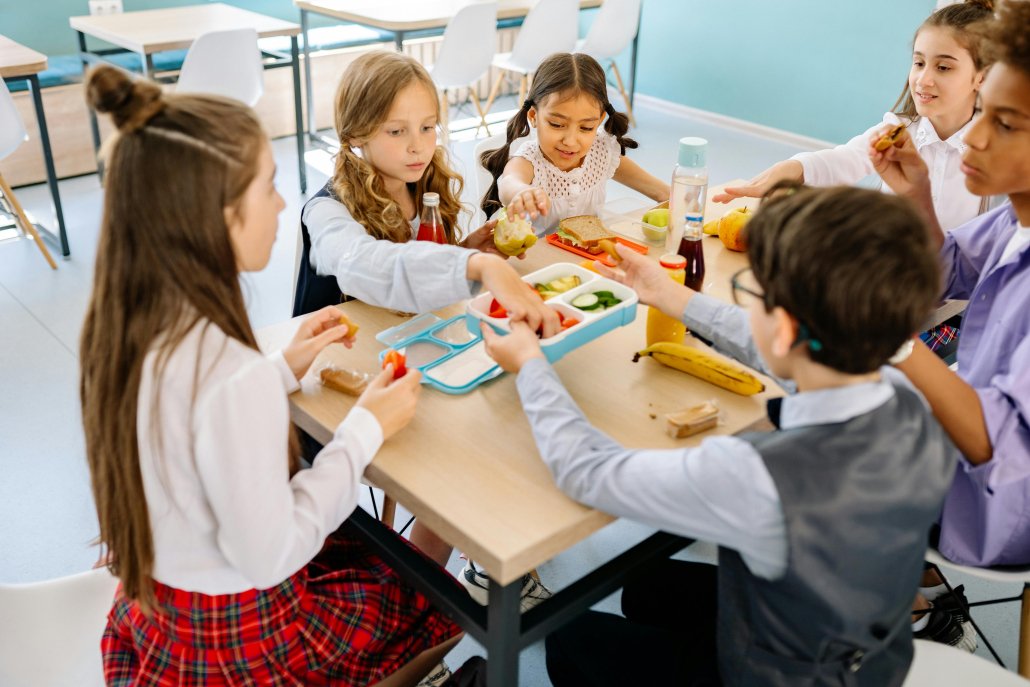
Recently, while sitting in the cafeteria during fourth, third and first-grade lunch, I noticed how many children were drinking dye-laden beverages, eating candy and processed foods, and generally lacking nutritious options in their lunchboxes or on their cafeteria tray. 

I watched a first grader eat candy, a cookie and a bag of chips for his lunch. There was no protein or anything of real nutritional value. This child struggles with emotional regulation, which raises the question: If his lunch included fruits, vegetables and lean proteins, would he experience the same emotional difficulties? My guess is probably not. 

After consuming ultra-processed foods, many children struggle with dysregulated behavior, difficulty focusing, poor memory, and heightened emotional responses during classroom learning time, all of which can have significant implications for their academic success.

According to IN.gov, some Indiana school districts have implemented a variety of healthy food initiatives to improve student nutrition, supported by state and federal grants. These include Farm to School programs, scratch cooking, and increased access to fresh produce. Farm to School Programs currently operate near Fort Wayne and surrounding areas, partnering with local farmers to provide fresh fruits, vegetables, meats and dairy. The Indiana Grown for Schools initiative also supports schools in creating gardens and educating students about nutrition in the classroom. 

The previous school my children attended in Southwest Indiana had a community garden where students could participate in planting, weeding, and harvesting crops. Some schools are also offering more nutritious menu options, including salad bars and scratch-made meals. Warrick County receives enhanced funding to support local public health services, including initiatives that promote improved health outcomes through better nutrition by increasing access to fresh foods and made-from-scratch menu options.

There are also targeted nutrition assistance programs in some schools, such as the Food 4 Kids Backpack Program, which provides students in low-income areas with nutritious weekend meals to support food security. Upcoming legislative changes are also being proposed, such as House Bill 1137, which aims to ban certain food dyes and additives in school meals, with proposed implementation by the 2027 school year. 

These initiatives are designed to expand access to healthier options at school, reduce food insecurity and support local agriculture. This is a step in the right direction, but should all school districts, not just a select few, be required to participate in these efforts? And what more can be done to support families in providing more nutritious options when children bring lunches from home? If we want students to function at their best, we need to educate, support and provide resources to families to encourage healthy eating habits.

As a school mental health professional, I see the far-reaching effects of a highly processed diet on children’s cognitive, emotional, and executive functioning, as well as their overall health. This directly impacts student success. How can we further legislation that promotes nutritious foods in schools, secure more funding for these initiatives, and support families in becoming more invested in their children’s nutrition? 

The connection between nutrition and behavior is still an emerging area of focus, but as counselors and mental health professionals, we must advocate for families and educate both school systems and caregivers on the importance of providing nutritious food so students can perform at their best. After all, the old saying still rings true: you are what you eat.

Kelly McClarnon, MSW, LCSW, is a Youth First Mental Health Professional at Evansville Christian School in Warrick County. Youth First, Inc., is a nonprofit dedicated to strengthening youth and families. Youth First provides over 100 highly trained mental health professionals (primarily master’s level social workers), prevention programs, parent engagement coordinators, and bilingual support personnel to 130 schools across 14 Indiana counties. Over 55,000 youth and families each year are served by Youth First’s school-based social work and community programs that promote mental health, prevent substance misuse, and maximize student success. To learn more about Youth First, visit youthfirstinc.org or call 812-421-8336.

April 21, 2026/by Youth First
https://youthfirstinc.org/wp-content/uploads/2026/04/Kids-eating-lunch-in-cafeteria-scaled.jpg 1707 2560 Youth First https://youthfirstinc.org/wp-content/uploads/2017/06/340x156_YouthFirst_logo_color-300x138.png Youth First2026-04-21 08:58:582026-04-21 08:59:01Cleaning Up Lunch

The Importance of Setting Healthy Boundaries with Your Child

All Posts, Counties, Youth First Blog

By Jenna Pauli, MSW, LCSW – April 15, 2026 –

Healthy parent – child relationships tend to thrive when clear boundaries are established. Boundaries act as guidelines, helping children understand what behaviors and communication are appropriate and expected within the family.

These limits help children navigate big emotions, understand expectations, and develop self-discipline and respect. With clear boundaries in place, children can grow in independence while parents feel acknowledged and valued. Rather than being merely strict rules, boundaries provide structure and create a foundation of care, trust, and mutual support for both parents and children.

There are several effective strategies for setting and maintaining healthy boundaries with your child, including consistency, clear communication, positive reinforcement, flexibility, modeling appropriate behavior, and involving your child in the process. Together, these approaches shift the focus of boundaries away from control and toward guidance, safety, and mutual understanding for both parents and children.

Consistency is essential when it comes to setting boundaries, as it helps children understand what to expect. When limits are applied inconsistently or frequently change, children may become confused or frustrated, feeling unsure of how to meet expectations. Clear and predictable boundaries allow children to rise to those expectations while fostering a sense of trust, stability, and security.

When children understand both the boundaries and the reasons behind them, they are more likely to meet expectations. Having age-appropriate conversations ahead of time helps set them up for success. For example, you might say, “You can watch TV for 10 minutes, and then it’s time to go upstairs and brush your teeth for bed.” Communicating expectations in advance and following through consistently helps reduce frustration and prevents unnecessary conflict.

Involving your child in the process of setting boundaries can foster a sense of responsibility and mutual respect. When children feel that their perspectives are heard and valued, they are more likely to take ownership of expectations and follow through with them.

When your child consistently respects established boundaries, offering verbal praise and small rewards can reinforce their positive behavior and motivate them to keep it up. Simple acknowledgments such as, “You did a great job finishing your homework before soccer practice. Thank you for your hard work,” can go a long way.

While consistency is key, boundaries should also allow for flexibility, especially as your child grows and matures. Adapting expectations to match your child’s developmental stage ensures that boundaries remain appropriate and effective. For example, as children get older, it is natural for their bedtime to be adjusted to reflect their increasing independence and changing needs.

Children learn a great deal by observing their parents. By modeling healthy boundaries, such as respecting personal space, following household expectations, and managing
emotions effectively, parents demonstrate the behaviors they want to see. This not only teaches important life skills but also fosters a strong sense of responsibility and emotional security in children.

Setting boundaries isn’t always easy, but it becomes more effective when you involve your child in the process, remain consistent, and communicate clearly. Over time, these efforts help create a happier home environment where each family member understands what is expected of them.

Jenna Pauli, MSW, LCSW, is a Youth First Mental Health Professional at Good Shepherd Catholic School in Vanderburgh County. Youth First, Inc., is a nonprofit dedicated to strengthening youth and families. Youth First provides over 100 highly trained mental health professionals (primarily master’s level social workers), prevention programs, parent engagement coordinators, and bilingual support personnel to 130 schools across 14 Indiana counties. Over 55,000 youth and families each year are served by Youth First’s school-based social work and community programs that promote mental health, prevent substance misuse, and maximize student success. To learn more about Youth First, visit youthfirstinc.org or call 812-421-8336.

April 15, 2026/by Youth First
https://youthfirstinc.org/wp-content/uploads/2026/04/Parent-setting-boundaries-with-child-scaled.jpg 1707 2560 Youth First https://youthfirstinc.org/wp-content/uploads/2017/06/340x156_YouthFirst_logo_color-300x138.png Youth First2026-04-15 16:34:282026-04-15 16:34:30The Importance of Setting Healthy Boundaries with Your Child

Teenage Attitude – What’s Under the Surface?

All Posts, Counties, Youth First Blog

By Chasidy Lambert, MSW, LSW – April 8, 2026 –

Adolescence is a time often marked by mood swings, intense emotions, and confusion. Stress, anxiety, and even depression can feel like constant companions. Anyone who has lived with, taught, or even briefly interacted with a teenager knows that something powerful is happening beneath the surface, and it’s far more than just “attitude.”

Teenagers are navigating a complex mix of hormonal changes and rapid development, all while trying to understand themselves and the world around them. Even when it may seem like they’re not trying, they are often doing the best they can to keep up.

These changes are needed for development and growth, not just physically, but emotionally. Hormones act as chemical messengers, sending signals throughout the body and brain. At times, those messages can feel contradictory, blurring the lines between “grow stronger” and “feel deeply uncertain.”

While hormones are doing exactly what they’re meant to do, they can also create turbulence in a teen’s mood. During adolescence, it’s as if the brain turns the hormone faucet on full blast, and sometimes the handle comes off entirely. The result isn’t a problem to fix, but a perfectly normal teen who often feels out of control.

During adolescence, a teen’s brain is reshaped, with neurons and synapses constantly reorganizing. Some connections are strengthened while others are pruned away to make the system more efficient. This helps explain why a teen’s decision-making can look so different from an adult’s. Their brains are still under construction, especially in areas responsible for judgment, impulse control, and long-term thinking. 

Puberty triggers the release of estrogen, progesterone, and testosterone, the sex hormones that drive the visible changes we often focus on, like growth spurts, voice changes, acne, and body development. What’s discussed far less is how these same hormones hijack emotions, decision-making, sleep patterns, and self-esteem. When adults understand this fuller picture, it becomes much easier to support teens as they navigate the challenges of everyday life.  

If you’ve seen the movie Inside Out, you’ve already caught a glimpse of how a young brain adapts to change. In real life, the limbic system – the part of the brain that drives emotions – develops earlier than the prefrontal cortex, which is responsible for impulse control, planning, and logical thinking. Teens often feel things deeply and intensely before they can fully reason through those feelings. It’s like having a racecar engine paired with bicycle brakes. Hormones add even more fuel to the engine, and suddenly everything can feel loud, fast, and overwhelming.

This is why a teen can go from laughing to sobbing in a matter of minutes. It’s why a missing hoodie can feel like a full-blown crisis, and why “I’m fine” so often means the opposite. Hormones don’t just influence emotions; they amplify them, making joy feel euphoric and disappointment feel overwhelming. When adults respond with phrases like “you’re overreacting,” they miss the mark. From a teen’s perspective, those feelings are very real and deeply felt. Kids need guidance and support in these moments. 

Other common changes include risk-taking, poor impulse control, pushing boundaries, and shifts in sleep patterns. Hormones also influence how teens see themselves and how they believe others see them. Body changes can cause intense self-consciousness. A single comment about appearance can echo for years. Hormonal shifts also interact with mental health, sometimes intensifying anxiety, depression, or irritability. For teens already navigating trauma, stress, or unstable environments, hormones can magnify everything they’re carrying.

So, what helps? First, adults need to pause and remember that this phase is temporary, even when it feels endless. Validation is important. Saying “that sounds really hard” goes further than “you’ll get over it.” Consistent boundaries, when paired with genuine empathy, create a sense of safety. Teens still need structure, even when they loudly insist that they don’t. This is where many parents struggle: finding the balance between firmness and understanding. A helpful place to start is by asking, “What are my boundaries? Am I responding with empathy to what they’re experiencing?”

Education is powerful. Teens deserve to know what’s happening with their bodies, and knowing that hormones are shaping their reactions can be incredibly empowering. Humor can help, too. Try something like, “Your brain is running a software update right now, and it’s a little glitchy.” Teens get that.

Hormones don’t make teenagers impossible; rather, they make them human while navigating one of the most confusing and tender stages of life. Beneath the mood swings, eye rolls, and dramatic sighs are young people trying to understand who they are while their bodies rewrite the rules almost daily. They’re not giving us a hard time – they’re having a hard time. And honestly? Considering everything they’re juggling, they’re doing remarkably well.

Chasidy Lambert, MSW, LSW, is a Youth First Mental Health Professional at Castle High School in Warrick County. Youth First, Inc., is a nonprofit dedicated to strengthening youth and families. Youth First provides over 100 highly trained mental health professionals (primarily master’s level social workers), prevention programs, parent engagement coordinators, and bilingual support personnel to 130 schools across 14 Indiana counties. Over 55,000 youth and families each year are served by Youth First’s school-based social work and community programs that promote mental health, prevent substance misuse, and maximize student success. To learn more about Youth First, visit youthfirstinc.org or call 812-421-8336.

April 8, 2026/by Youth First
https://youthfirstinc.org/wp-content/uploads/2026/04/Sad-teen-girl-scaled.jpg 1702 2560 Youth First https://youthfirstinc.org/wp-content/uploads/2017/06/340x156_YouthFirst_logo_color-300x138.png Youth First2026-04-08 15:00:592026-04-08 15:01:01Teenage Attitude – What’s Under the Surface?
Page 1 of 27123›»
Search Search

Topics

  • Youth First to Honor Carol Lynch as 2026 Dr. William Wooten ChampionJuly 23, 2026 - 3:11 pm
  • How to Help Your Kids Make Good DecisionsJuly 22, 2026 - 2:22 pm
  • Youth First Receives $40,000 Award from CenterPoint Energy FoundationJuly 16, 2026 - 9:34 am
  • Establishing a Smooth Transition from Home to SchoolJuly 15, 2026 - 2:16 pm
  • Promoting Patience in a Fast-Moving WorldJuly 8, 2026 - 2:33 pm

Support Youth First

Help protect and heal the hearts of children by supporting Youth First!

Donate

Where to find us

111 SE Third Street, Suite 405
Evansville, IN 47708

Mon–Fri: 8:00–5:00
Sat–Sun: Closed

Get In Touch

812-421-8336

Contact
Copyright © 2026 Youth First, Inc. | Website by Media Mix
  • Website designed by Media Mix Advertising
  • Privacy Policy
Scroll to top Scroll to top Scroll to top