• Español Familias
Youth First
  • About
    • Who We Are
      • Mission, Vision & Values
      • Outcomes & Impact
      • Stories of Change
      • History
      • Staff
      • Youth First Mental Health Professionals
      • Board of Directors
      • Leading Sponsors
      • Careers
    • Where We Are
      • Catholic Diocese of Evansville
      • Daviess
      • Dubois
      • Gibson
      • Greene
      • Knox
      • Lawrence
      • Martin
      • Morgan
      • Orange
      • Perry
      • Posey
      • Spencer
      • Vanderburgh
      • Warrick
  • Programs
    • For Schools & Students
      • Youth First Mental Health Professionals
      • Al’s Pals
      • C.A.S.T.
      • LifeSkills Training
      • Reconnecting Youth
      • Teen Series
      • Tween Series
      • WhyTry
    • For Families & Youth
      • Camp Memories
      • Family First
      • Family First Foundations
      • In It to Win It
    • For Communities
      • Talk – They Hear You
      • The Truth Is
  • Resources
    • Resiliency Resources
    • Advice from Our Professionals
    • Other Helpful Resources
  • News
    • Newsletter
    • News Releases
  • Events
    • Calendar of Events/Programs
    • Youth First Warrick County Golf Scramble
    • Youth First Breakfast of Champions
    • Youth First Benefit Auction
  • Careers
  • Contact
  • Support
    • Donate
    • Volunteer
  • Click to open the search input field Click to open the search input field Search
  • Menu Menu
  • Link to Facebook
  • Link to Instagram
  • Link to Youtube
  • Link to LinkedIn

Tag Archive for: YouthFirst2026

How to Help Your Kids Make Good Decisions

All Posts, Counties, Youth First Blog

By Christine Weinzapfel-Hayden, MSW, LCSW – July 22, 2026 –

Guiding children to make good decisions is one of a parent’s most important responsibilities. Children are constantly faced with choices, big and small, that shape their character, habits, and future. The ability to make sound decisions will serve them throughout life, from deciding how to spend their free time to choosing friends and handling peer pressure. While children must learn through their own experiences, parents play a crucial role in teaching them the skills and values that enable them to make wise choices.

How can parents help their children learn to make good decisions? First, modeling good decision-making skills is one of the most powerful ways to teach children. Children pay close attention to their parents’ actions, often more than to the words they hear. When parents weigh options carefully, consider consequences, and demonstrate self-control, they provide a living example for their children to follow.

For instance, explaining why you choose to save money rather than making impulsive purchases helps your child see that thoughtful decisions often lead to long-term rewards. By being transparent about your decision-making process, you show your child how to think through decisions rather than acting on impulse.

Second, parents can help children by encouraging them to think critically. Instead of simply giving them answers, ask guiding questions that push them to consider the outcomes of their choices. For example, if a child is weighing whether to complete homework or play video games, you might ask, “What might happen if you don’t finish your homework tonight?” This approach allows children to weigh consequences themselves, rather than always relying on parental instruction. Over time, this practice builds independence and confidence in their decision-making abilities.

Another important step is teaching children values and principles early. Children who have a strong foundation of honesty, responsibility, kindness, and respect are better equipped to make ethical choices. Parents can reinforce these values through conversations, stories, and real-life examples. When kids understand why certain behaviors are right or wrong, they are more likely to make good decisions consistent with those principles, even when no one is watching.

It is also helpful to provide opportunities for children to practice decision-making in a safe environment. Allowing them to choose their clothing, plan family activities, or budget their allowance gives them a sense of responsibility. Even if their choices are not always perfect, these experiences teach valuable lessons. When mistakes occur, parents should respond with patience and guidance rather than harsh criticism. Discussing what went wrong and how to make a better choice next time turns mistakes into learning opportunities.

Finally, maintaining open communication is key. Children need to feel comfortable sharing their thoughts, struggles, and questions without fear of judgment. When parents listen attentively and offer support, kids are more likely to seek advice before making difficult decisions. Creating an environment of trust ensures that children know they are not alone when facing challenges.
Helping children make good decisions is not about controlling every choice they make but about equipping them with the tools, values, and confidence to choose wisely on their own. By modeling good behavior, encouraging critical thinking, teaching values, offering practice, and maintaining open communication, parents can prepare their children to navigate life’s challenges with wisdom and integrity. Good decision-making is a skill, and with guidance and love, children can grow into thoughtful and responsible adults.

Christine Weinzapfel-Hayden, MSW, LCSW, is a Youth First Mental Health Professional at Corpus Christi Catholic School in Vanderburgh County and St. Philip Catholic School in Posey County. Youth First, Inc., is a nonprofit dedicated to strengthening youth and families. Youth First provides over 100 highly trained mental health professionals (primarily master’s level social workers), prevention programs, parent engagement coordinators, and bilingual support personnel to 130 schools across 14 Indiana counties. Over 55,000 youth and families each year are served by Youth First’s school-based social work and community programs that promote mental health, prevent substance misuse, and maximize student success. To learn more about Youth First, visit youthfirstinc.org or call 812-421-8336.


July 22, 2026/by Youth First
https://youthfirstinc.org/wp-content/uploads/2026/07/AA-parent-giving-advice-to-child-scaled.jpg 1709 2560 Youth First https://youthfirstinc.org/wp-content/uploads/2017/06/340x156_YouthFirst_logo_color-300x138.png Youth First2026-07-22 14:22:132026-07-22 14:23:18How to Help Your Kids Make Good Decisions

Establishing a Smooth Transition from Home to School

All Posts, Counties, Youth First Blog

By Lisa Glahn, MSW, LCSW – July 15, 2026 –

Returning to school after a break can be challenging for many children, especially after extended time away during summer or winter breaks. Typically, the longer students are out of their routine, the more challenging it can be to adjust to early mornings, structured schedules, and classroom expectations. Fortunately, there are several simple strategies parents and guardians can use to make this transition smoother and create a more positive start to each school day.

One of the most effective ways to support a successful return to school is by establishing a consistent morning routine. Predictable schedules help children feel prepared, reduce stress, and encourage independence. Creating a visual schedule with pictures or simple words can be especially helpful for younger children or those who benefit from visual reminders. As children practice the same routine each morning, they become more confident and develop healthy habits that make getting ready for school easier.

Waking up with enough time to prepare for the day is another important part of a successful morning. Oversleeping often leads to feeling rushed, which can increase stress for both children and parents. When mornings are hurried, children may skip breakfast, forget homework or school supplies, or arrive at school feeling anxious. Allowing extra time to wake up, eat a healthy breakfast, and get organized helps create a calm environment that sets the stage for a positive school day.

A special goodbye ritual can also make school drop-offs easier. Whether it is a hug, a high-five, a secret handshake, or a simple phrase shared each morning, a consistent goodbye routine provides reassurance and strengthens the connection between a child and their parent or guardian. These small moments can help children feel loved, supported, and ready to begin their day with confidence.

Talking with your child about the upcoming school day is another helpful strategy. Discussing what they can expect allows them to ask questions, voice concerns, and share any worries they may have. These conversations allow parents to offer encouragement and problem-solving while helping children feel more prepared for the day ahead.

Positive reinforcement can also encourage a smoother transition back to school. Simple reward systems, such as sticker charts or earning small privileges, can motivate children to complete their morning routine and enter the school building with confidence. Celebrating progress, even in small ways, reinforces positive behaviors and builds motivation over time.

For some children, bringing a comfort item can provide an added sense of security. Before sending an item to school, it is helpful to check with the teacher about classroom expectations. While stuffed animals or blankets may stay in the car, a family photo tucked into a backpack, folder, or locker can offer comfort throughout the day. Including these comforting items as part of the morning routine can help ease separation anxiety.

Finally, never underestimate the power of encouragement. Offering positive affirmations, praising your child’s efforts, and reminding them that you believe in their abilities can boost confidence and self-esteem. Even a short note tucked into a lunchbox or backpack can provide reassurance and brighten their day. With patience, consistency, and support, families can help children return to school feeling confident, prepared, and excited to learn.

Lisa Glahn, MSW, LCSW, is a Youth First Mental Health Professional at St. John the Baptist Catholic School in Warrick County and St. Bernard Catholic School in Spencer County. Youth First, Inc., is a nonprofit dedicated to strengthening youth and families. Youth First provides over 100 highly trained mental health professionals (primarily master’s level social workers), prevention programs, parent engagement coordinators, and bilingual support personnel to 130 schools across 14 Indiana counties. Over 55,000 youth and families each year are served by Youth First’s school-based social work and community programs that promote mental health, prevent substance misuse, and maximize student success. To learn more about Youth First, visit youthfirstinc.org or call 812-421-8336.

July 15, 2026/by Youth First
https://youthfirstinc.org/wp-content/uploads/2026/07/School-dropoff-scaled.jpg 2560 1707 Youth First https://youthfirstinc.org/wp-content/uploads/2017/06/340x156_YouthFirst_logo_color-300x138.png Youth First2026-07-15 14:16:032026-07-15 14:16:03Establishing a Smooth Transition from Home to School

Promoting Patience in a Fast-Moving World

All Posts, Counties, Youth First Blog

By Emily Bernhardt, MSW, LCSW – July 8, 2026 –

Patience is a virtue. Good things come to those who wait. There are so many phrases we have heard time and time again that emphasize the importance of patience. Yet, even if we agree that being patient is important, it can be so hard to practice.

For a long time, I thought patience was a personality trait you were born with, like how some people are born funny or athletic. However, I have realized that patience can be learned, and though it may be hard, some practices help strengthen our ability to be patient.

Why should we make the change? You may be thinking, “I’m 40 years old – why should I make this change now after all this time?” Of course, being patient helps us strengthen and maintain our relationships, but it also offers health benefits. Patience supports our mental health and well-being; it helps us reach personal goals, is linked to hopefulness and positive outlooks, and is also associated with better outcomes. People who are patient report fewer health problems such as headaches, acne, ulcers, diarrhea, and pneumonia. Sign me up!

So now you may be thinking, “Okay fine, that sounds great, but how? I’ve tried being patient, and it just doesn’t come naturally to me.” There are many ways to practice patience and improve. Give yourself time and grace, because like any skill, it takes time. No one would expect to become a basketball star overnight, and learning a new skill such as patience is no different. It may take time, but it is possible.

One skill that you can incorporate to practice patience is mindfulness. Mindfulness is staying in the present moment. Think of it like “mind full” vs. mindful. When our mind is full of overwhelming thoughts or a checklist of future things we need to do, it is harder to stay patient in the present moment. Some examples of mindfulness include taking time for meditation, keeping a journal, or practicing breathing techniques.

Another skill that is helpful when our patience is thin is acknowledging what we can and cannot control. If your house is messy and there’s a long list of things adding to your stress, sit down and find time to knock things out on the to-do list. That is something in your control. However, if you have errands to run and you know there’s going to be a long line at the grocery store or heavy traffic to drive through—that’s not in your control. Sometimes just recognizing what is out of our control shifts our mindset. And is there a way you can put a positive spin on those situations? Try listening to a positive podcast or uplifting music while you wait.

Here is one last skill that will help build your tolerance for life’s setbacks. If you can practice patience with smaller setbacks that come your way, you will be able to handle the bigger ones much more easily. It’s okay to slow down in general, which can help you stay patient in other situations. Small ways you can practice include letting a car go in front of you in traffic, letting people get in front of you in line, trying a new hobby that promotes patience (like knitting), and ignoring notifications on your phone for at least a few minutes.

Like all skills, learning patience takes time. However, the more we incorporate it into the small moments of everyday life, the more likely we will be to reach for that skill in the bigger moments. Not only will it benefit your mental and physical health, but it is also important to model this skill for our children and other important relationships around us. When our children see us keep our cool in a stressful situation, we show them that this is possible for them too.

Emily Bernhardt, MSW, LCSW, is a Youth First Mental Health Professional at Signature School in Vanderburgh County. Youth First, Inc., is a nonprofit dedicated to strengthening youth and families. Youth First provides over 100 highly trained mental health professionals (primarily master’s level social workers), prevention programs, parent engagement coordinators, and bilingual support personnel to 130 schools across 14 Indiana counties. Over 55,000 youth and families each year are served by Youth First’s school-based social work and community programs that promote mental health, prevent substance misuse, and maximize student success. To learn more about Youth First, visit youthfirstinc.org or call 812-421-8336.
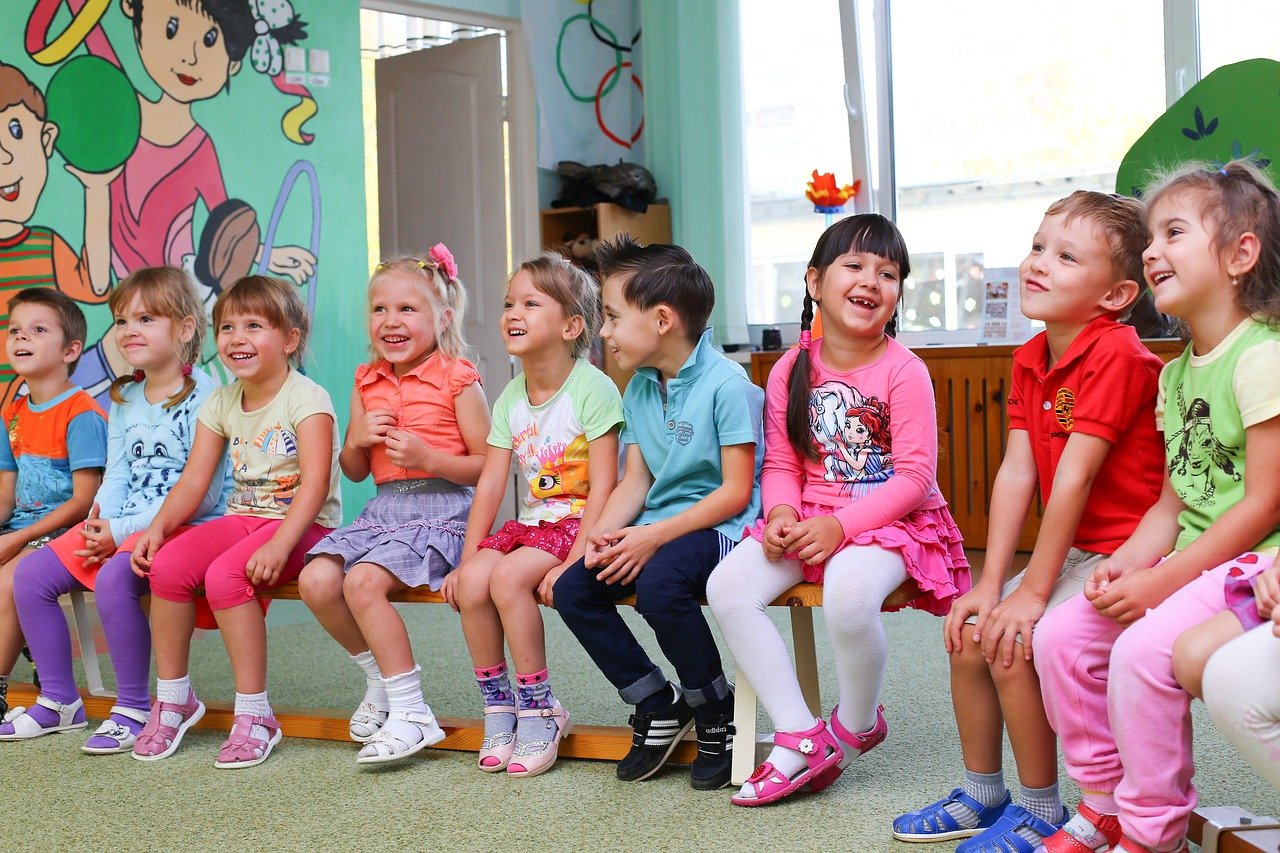
July 8, 2026/by Youth First
https://youthfirstinc.org/wp-content/uploads/2026/07/Mother-and-daughter-cooking-scaled.jpg 1709 2560 Youth First https://youthfirstinc.org/wp-content/uploads/2017/06/340x156_YouthFirst_logo_color-300x138.png Youth First2026-07-08 14:33:262026-07-08 14:34:25Promoting Patience in a Fast-Moving World

Building Self-Esteem in Children: A Foundation for Lifelong Success

All Posts, Counties, Youth First Blog

By Ashley Lingafelter, MSW, LSW – July 1, 2026 –

Research indicates that nearly 40% of children experience feelings of inadequacy, which can severely hinder their emotional and social development. These statistics underline an alarming reality: low self-esteem in children is linked to a host of negative outcomes, including poor academic performance, mental health issues, and difficulties forming healthy relationships.

However, children with positive self-esteem are more likely to embrace challenges, engage in social settings, and develop resilience. As such, fostering self-esteem in children is not a mere parental preference; it is an essential investment in their future.

Positive self-esteem serves as the foundation for children’s identities. It allows them to navigate life’s challenges with confidence and fosters a sense of belonging, acceptance, and security. Children who see themselves positively are more likely to engage in behaviors that promote growth, such as trying out for a school play or joining a sports team. Self-esteem also becomes a protective factor that shields children from the adverse effects of peer pressure and bullying, ultimately leading to healthier emotional regulation and mental well-being.

Self-esteem in children emerges at an early age and is influenced by various factors, including family dynamics, social interactions, and individual experiences. As children grow, they internalize feedback from their environment, particularly from their parents and caregivers. Therefore, the role of parents in nurturing self-esteem cannot be overlooked. It is a delicate balance of offering support while allowing children to learn and grow independently. Parents who emphasize their children’s strengths, celebrate their achievements, and provide constructive feedback create an environment conducive to healthy self-esteem development.

To aid in building a child’s self-esteem, parents can adopt several effective strategies:

1. Encourage Open Communication: Parents should create a safe space for children to express their thoughts and feelings. Encouraging open dialogue fosters emotional intelligence and helps children articulate their concerns.

2. Promote Independence: Allowing children to make choices fosters a sense of autonomy. Even small decisions, like selecting their outfit for the day or choosing an afternoon activity, can empower children and enhance their confidence.

3. Celebrate Efforts, Not Just Results: Parents should recognize the effort their children put into tasks, not just the outcome. This approach instills a growth mindset, teaching children that persistence is valuable even in the face of setbacks.

4. Set Realistic Expectations: While it is natural for parents to want their children to succeed, setting unattainable expectations can lead to feelings of inadequacy. It is crucial to set goals that are challenging yet achievable, allowing children to feel a sense of accomplishment.

5. Model Positive Self-Talk: This is arguably the most important and impactful tip. Children learn by observing adults. Parents should exemplify healthy self-esteem by practicing positive self-talk and demonstrating self-compassion in the face of their own challenges.

In conclusion, nurturing self-esteem is fundamental to a child’s emotional, social, and academic development. By recognizing the significance of their role, parents can utilize practical strategies that empower their children, laying the groundwork for a confident and resilient adult life. Building self-esteem is an investment in a child’s future—one that can lead to lifelong happiness and success.

Ashley Lingafelter, MSW, LSW, is a Youth First Mental Health Professional at North Elementary School in Posey County. Youth First, Inc., is a nonprofit dedicated to strengthening youth and families. Youth First provides over 100 highly trained mental health professionals (primarily master’s level social workers), prevention programs, parent engagement coordinators, and bilingual support personnel to 130 schools across 14 Indiana counties. Over 55,000 youth and families each year are served by Youth First’s school-based social work and community programs that promote mental health, prevent substance misuse, and maximize student success. To learn more about Youth First, visit youthfirstinc.org or call 812-421-8336.

July 1, 2026/by Youth First
https://youthfirstinc.org/wp-content/uploads/2026/07/Confident-AA-boy-scaled.jpg 1707 2560 Youth First https://youthfirstinc.org/wp-content/uploads/2017/06/340x156_YouthFirst_logo_color-300x138.png Youth First2026-07-01 10:31:182026-07-01 10:33:18Building Self-Esteem in Children: A Foundation for Lifelong Success

Prepare Your Child for Kindergarten this Summer

All Posts, Counties, Youth First Blog

By Tiffany Austin, MSW, LSW – June 24, 2026 –

Summer always seems to fly by. Before long, August arrives and a new school year begins. For incoming kindergarteners and their families, this milestone can bring a mix of excitement and nervousness. While children may look forward to new experiences, parents and caregivers often wonder how to best prepare them for this important transition.

The following are five ways families can help children prepare for kindergarten this summer:

  1. Maintain a Regular Schedule. The school day is very structured, with set time frames for different subjects, activities and events. Adjusting to this level of routine can be challenging for some children. Establishing a consistent daily schedule at home can help children become more comfortable with routines and expectations. While a home schedule may not mirror the school day exactly, it can reinforce the idea that specific times are set aside for specific activities and responsibilities.
  2. Encourage Independence. Children at this age take great pride in completing tasks on their own. Encouraging independence through everyday tasks can build self-confidence and help children feel prepared for kindergarten. Practice skills such as putting on shoes, zipping jackets, packing a backpack, and opening lunch items. Creating a simple checklist for leaving the house can also help children develop self-help skills. Tasks might include using the restroom, putting on shoes, fastening a seatbelt, and gathering belongings.
  3. Read Books about Kindergarten. Reading books about starting kindergarten is a great way to prepare children for this new experience. Many books explore common feelings associated with the first day of school, including excitement, curiosity, and nervousness. These stories help children understand that their emotions are normal and shared by others. Reading together also creates opportunities for parents/caregivers to answer questions, discuss concerns, and introduce healthy coping strategies. These conversations can help ease anxiety and build confidence before school begins.
  4. Focus on Social Skills. Kindergarten requires children to interact with peers, follow group expectations, and build new relationships. Providing opportunities for your child to play with others can help strengthen important social skills. Whether through playdates, family gatherings, community activities, or visits to the park, children can practice sharing, taking turns, cooperating, resolving conflicts, and using good manners. These experiences help children gain confidence in social settings and prepare them for success in the classroom.
  5. Practice the School Morning Routine. A few weeks before school starts, begin practicing the morning routine your child will follow during the school year. Gradually adjust bedtimes and wake-up times to align with the school schedule. It can also be helpful to familiarize your child with the trip to school by driving the route and pointing out where they will enter the building. Practicing these routines ahead of time can reduce anxiety and help children feel more comfortable on the first day.

Kindergarten is an exciting milestone filled with opportunities for learning, growth, and new friendships. By taking time to practice these five strategies, families can help children approach the first day with greater confidence and enthusiasm. While some nervousness is natural, preparation can make the transition smoother for both children and parents/caregivers. If you have concerns about your child’s adjustment to school, please reach out to your school’s Youth First Mental Health Professional or school counselor for support and guidance.

Tiffany Austin, MSW, LSW, is a Youth First Mental Health Professional at Glenwood Leadership Academy in Vanderburgh County. Youth First, Inc., is a nonprofit dedicated to strengthening youth and families. Youth First provides over 100 highly trained mental health professionals (primarily master’s level social workers), prevention programs, parent engagement coordinators, and bilingual support personnel to 130 schools across 14 Indiana counties. Over 55,000 youth and families each year are served by Youth First’s school-based social work and community programs that promote mental health, prevent substance misuse, and maximize student success. To learn more about Youth First, visit youthfirstinc.org or call 812-421-8336.

 

June 24, 2026/by Youth First
https://youthfirstinc.org/wp-content/uploads/2020/07/kids-in-kindergarten-e1602020248267.jpg 686 1030 Youth First https://youthfirstinc.org/wp-content/uploads/2017/06/340x156_YouthFirst_logo_color-300x138.png Youth First2026-06-24 11:21:072026-06-24 11:22:31Prepare Your Child for Kindergarten this Summer

Community Good Grants Awarded to Youth First, Inc.

All Posts, Counties, News Release, Youth First Blog

Grants to Provide Mental Health Support for Vanderburgh and Warrick County Students

June 10, 2026

(Evansville, IN) Youth First is celebrating a $10,000 Community Good Grant from the Vanderburgh Community Foundation and a $15,000 Community Good Grant from the Warrick County Community Foundation. This funding will strengthen the mental health and well-being of students in 32 Youth First partner schools in Vanderburgh County and 13 Youth First partner schools in Warrick County.

These grants will enable Youth First to provide its school-based student assistance program and family and community prevention programs to help students build valuable life skills and healthy mindsets as they grow into thriving adults and enter the workforce.

Youth First embeds highly trained mental health professionals in school buildings and partners with over 130 schools across 14 Indiana counties. Youth First Mental Health Professionals build caring relationships, promote healthy choices, foster readiness for positive change, and boost resiliency, along with other valuable life skills.

“Every grant we make is a testament to the power of local philanthropy,” said Alysia Rhinefort, Community Impact Director. Our donors make it possible for the Community Foundation to invest in organizations like Youth First that are improving lives and strengthening our community. We are honored to steward these resources and help turn generosity into meaningful impact.”

Youth First President & CEO Holli Sullivan shared, “Our kids and families are dealing with busier schedules, greater stress and more complex challenges than ever. That’s why it’s so important to have easy access to skilled mental health support and prevention programs in school buildings, where students, parents, and teachers can take full advantage of it. We are grateful for a partnership with the Community Foundation to build strong futures for kids.”

###

About Youth First, Inc.:

Youth First, Inc. is a nonprofit dedicated to strengthening youth and families. Youth First provides prevention programs and over 100 highly trained mental health professionals (primarily master’s level social workers), parent engagement coordinators, and bilingual support personnel who assess needs, develop and implement prevention plans, and connect students and their families to vital resources in 130 schools across 14 Indiana counties. Over 55,000 youth and families per year are served by Youth First’s school-based student assistance program and community programs that promote mental health, prevent substance misuse, and maximize student success. To learn more about Youth First, visit youthfirstinc.org or call 812-421-8336.

About the Community Foundation:

The Community Foundation connects people, ideas, and resources to strengthen communities, today and for generations to come. Since its founding, the Foundation has directed nearly $80 million in grants to local nonprofits, supported scholarships for students, and invested in programs that make the region stronger, healthier, and more resilient. As a trusted convener and philanthropic leader, it works alongside donors, nonprofits, civic partners, and community members to address shared challenges and create lasting impact across Southwest Indiana.


June 10, 2026/by Youth First
https://youthfirstinc.org/wp-content/uploads/2026/06/Vanderburgh-Community-Foundation-2026-scaled.jpg 1920 2560 Youth First https://youthfirstinc.org/wp-content/uploads/2017/06/340x156_YouthFirst_logo_color-300x138.png Youth First2026-06-10 13:27:282026-06-10 13:27:28Community Good Grants Awarded to Youth First, Inc.

It’s Important to Help Children Identify Their Feelings

All Posts, Counties, Youth First Blog

By Madelynn Wood, BSW – June 10, 2026 –

Emotional development is an important part of a child’s overall growth, yet it is often overlooked in comparison to physical and academic milestones. A key aspect of emotional development is the ability to recognize, understand, and identify emotions. This skill, known as emotional literacy, plays a vital role in a child’s well-being by supporting healthy relationships, improving problem-solving abilities, and promoting positive mental health.

Children experience a wide range of emotions, but they cannot always communicate what they are feeling. As a result, they may express their emotions through behaviors such as crying, screaming, withdrawing from others, or becoming uncooperative. These reactions often occur because children lack the vocabulary needed to describe their feelings and have not yet developed effective coping skills.

Teaching children to recognize and understand their emotions can help them develop essential life skills. One of the most important is self-awareness, a key component of emotional intelligence. According to Mental Health America, emotional intelligence is the ability to recognize, understand, and manage one’s own emotions, as well as those of others. Developing emotional intelligence can help children build stronger relationships, perform better academically, and maintain positive mental health.

Labeling emotions also helps children develop self-control and regulate their feelings in healthy ways. When children are encouraged to identify and explain their emotions, they gain a better understanding of their emotional responses. For example, allowing a child to name how they are feeling and discuss why they feel that way promotes self-awareness and emotional regulation. In my role as a social work intern with Youth First, we use “I-statements” to help children identify and express their feelings. This approach encourages reflection and helps children understand the situations that triggered their emotions, which is essential for developing self-regulation skills.

Understanding emotions can also help children develop empathy. When children recognize and understand their own feelings, they become better equipped to identify and respond to the emotions of others. This emotional awareness encourages children to consider different perspectives and fosters respectful, compassionate interactions. As a result, they are more likely to build positive relationships and communicate effectively with those around them.

Parents and guardians play a critical role in supporting emotional development. One of the most important steps is creating a warm and supportive environment where children feel safe expressing their thoughts and feelings. Parents can help children develop emotional literacy by teaching them to recognize and label emotions, pay attention to facial expressions and body language, and connect emotions to physical sensations. Asking questions such as, “When you feel scared, where do you feel it in your body?” can help children better understand their emotional experiences.

Parents can also encourage emotional learning through activities such as reading books, watching movies, playing feeling charades, and using emotion-themed coloring sheets. These activities provide opportunities for children to explore and discuss emotions in engaging ways. Additionally, parents should model healthy emotional expression by practicing active listening, communicating feelings appropriately, and responding to others with empathy.

Children who learn to recognize and understand their emotions are more likely to develop healthy coping skills, regulate their emotional responses, and build positive relationships. They are also better prepared to handle conflict, overcome challenges, and demonstrate resilience. Emotional literacy is a lifelong skill that supports social and emotional well-being. By helping children develop this skill early in life, parents and guardians can provide a strong foundation for future success and overall well-being.

Madelynn Wood was a Youth First MSW Intern at Cynthia Heights Elementary School in Vanderburgh County. Youth First, Inc., is a nonprofit dedicated to strengthening youth and families. Youth First provides over 100 highly trained mental health professionals (primarily master’s level social workers), prevention programs, parent engagement coordinators, and bilingual support personnel to 130 schools across 14 Indiana counties. Over 55,000 youth and families each year are served by Youth First’s school-based social work and community programs that promote mental health, prevent substance misuse, and maximize student success. To learn more about Youth First, visit youthfirstinc.org or call 812-421-8336.

 

June 10, 2026/by Youth First
https://youthfirstinc.org/wp-content/uploads/2026/06/Angry-AA-boy-scaled.jpg 1707 2560 Youth First https://youthfirstinc.org/wp-content/uploads/2017/06/340x156_YouthFirst_logo_color-300x138.png Youth First2026-06-10 11:02:422026-06-10 11:02:42It’s Important to Help Children Identify Their Feelings

Marijuana Use: Understand the Risks

All Posts, Counties, Youth First Blog

By Jacob Bambenek – June 3, 2026 –

According to data collected in 2022 by the Centers for Disease Control and Prevention (CDC), 30.7% of teens reported using cannabis at least once, and 6.3% reported daily use within the previous 30 days. For educators, parents, and other adults who work closely with young people, these statistics reflect a growing concern. As more states legalize cannabis for medicinal and recreational purposes, its use is likely to become increasingly common, including among adolescents.

Although many people view marijuana as a means of relieving stress or managing certain medical conditions, its effects and risks are more complex than they are often portrayed. While cannabis is increasingly being studied and used to help manage conditions such as chronic pain, research on its long-term effects continues to evolve. Evidence cited by the CDC has linked cannabis use to a variety of potential adverse outcomes, including impaired cognitive functioning and an increased risk of mental health conditions such as anxiety and depression.

Cannabis is not generally considered as physically addictive as some other substances, but regular use can still lead to dependence. In fact, a study published in JAMA (Journal of the American Medical Association) Psychiatry found that approximately three in ten people who use marijuana develop cannabis use disorder. Given these risks, it is important to approach discussions about cannabis with a balanced understanding of both its potential benefits and potential harms.

Whether it is a family member, student, friend, or neighbor, chances are you know at least one teenager who has experimented with or regularly uses marijuana. This raises an important question: how can adults help address this growing concern? One of the most effective tools available is education. Providing adolescents with accurate, evidence-based information empowers them to make informed decisions about their health and well-being. Because cannabis research continues to evolve, misconceptions and conflicting messages are common, making thoughtful, fact-based discussions especially important.

Education alone, however, is not enough. Adolescents also need access to strong support systems. Whether they are struggling with marijuana use themselves or are affected by the substance use of family members or peers, young people benefit from guidance, encouragement, and access to resources. Increased awareness of the potential consequences of marijuana use can serve as a protective factor, while supportive relationships can help ensure that no young person faces these challenges alone.

Many adolescents turn to substances such as marijuana to cope with stress, anxiety, social pressures, or other personal challenges. To promote long-term well-being, it is important to help them develop healthier and more sustainable coping strategies. Counseling, mentorship programs, peer support groups, and other positive resources can provide constructive alternatives that foster resilience and encourage healthier lifestyle choices.

While support from family members, educators, and community members is important, some situations require more direct intervention. In cases involving cannabis use disorder or other significant substance-related challenges, professional treatment, counseling, and specialized support services may be necessary. The CDC provides educational resources that outline the potential risks associated with cannabis use, and organizations such as Marijuana Anonymous offer support and recovery programs for individuals seeking help. They can be reached at 1-800-766-6779 for information about local meetings and recovery resources.

As marijuana use becomes more common, open communication, accurate information, and accessible support systems will play a critical role in helping young people make healthy decisions and achieve long-term success.

Jacob Bambenek was a Youth First MSW Intern last semester at Harrison High School in Vanderburgh County. Youth First, Inc., is a nonprofit dedicated to strengthening youth and families. Youth First provides over 100 highly trained mental health professionals (primarily master’s level social workers), prevention programs, parent engagement coordinators, and bilingual support personnel to 130 schools across 14 Indiana counties. Over 55,000 youth and families each year are served by Youth First’s school-based social work and community programs that promote mental health, prevent substance misuse, and maximize student success. To learn more about Youth First, visit youthfirstinc.org or call 812-421-8336.
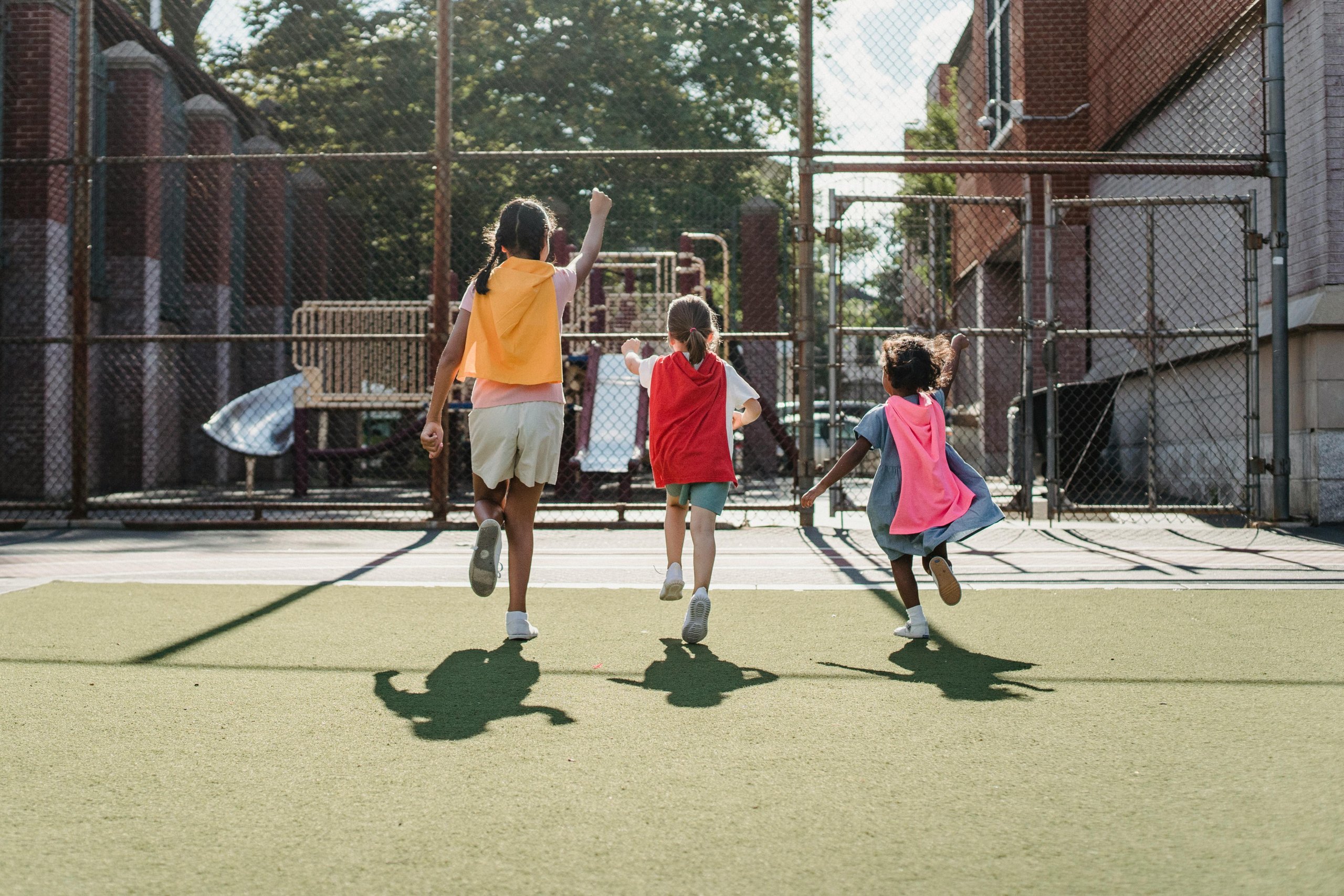
 

June 3, 2026/by Youth First
https://youthfirstinc.org/wp-content/uploads/2026/06/Teens-smoking-marijuana-scaled.jpg 1709 2560 Youth First https://youthfirstinc.org/wp-content/uploads/2017/06/340x156_YouthFirst_logo_color-300x138.png Youth First2026-06-03 16:46:542026-06-03 16:50:10Marijuana Use: Understand the Risks

The Importance of Exercise for Youth Brain Development and Mental Health

All Posts, Counties, Youth First Blog

By Lori McIntire, MSW, LCSW – May 27, 2026 –

Raising happy, healthy children is a top priority for most parents. They ensure their kids attend all their medical check-ups, provide for their basic needs, nurture and guide them, and offer emotional support, aiming to foster optimal mental and physical health in their little ones.

What about making sure their kids are physically active? The physical health benefits of exercise are clear: disease prevention, improved cardiovascular health, weight management, bone strengthening, and enhanced overall well-being. But we must also ask ourselves, what are the mental health benefits of routine physical activity?

We can no longer deny and must respect the mind-body connection. An intricate relationship exists between our emotions, thoughts, attitudes, and physical health. This relationship is especially important concerning child and adolescent brain development.

When we exercise, the blood flow to the brain increases, delivering more oxygen and nutrients to the brain. The chemicals produced and released during exercise act like fertilizer for brain cells, creating new neural connections and strengthening existing ones. These neural connections are responsible for memory, learning, and emotional regulation. Dr Sarah Thompson, pediatric neurologist, explains it simply: “When kids exercise, their brains become more flexible and resilient. It is like giving their minds a playground to grow and develop.”

In today’s world, children face numerous stressors, including academic pressures, family-related issues, and social challenges. However, according to Katrina Starr, PhD, there is a growing body of evidence suggesting that exercise helps relieve symptoms of common childhood mental health conditions, including anxiety, depression, and ADHD. Exercise can also serve as a protective factor against stress by enhancing the brain’s resilience to it.

Exercise triggers three important brain chemicals known as neurotransmitters: endorphins (mood elevators), serotonin (happiness hormone), and dopamine (motivation/rewards). This natural brain boost explains why children often feel more focused, calm, and happy after physical activity. According to recent research, active children typically demonstrate better focus in class, stronger memory retention, and improved problem-solving abilities. Therefore, disciplining children by removing recess breaks may prove to be counterproductive. In addition, parents should also consider movement breaks after school before asking children to sit down to tackle homework.

To expand, cardio exercise can be especially beneficial for youth who are diagnosed with ADHD (attention deficit hyperactivity disorder). Exercise can improve focus, retention, executive functioning, and decrease impulsivity. Those with ADHD may also function better in social situations, allowing them to make and retain friendships more easily. Structured activities like martial arts, swimming, and team sports that highlight individual performance, like track and field, can be helpful in this population.

In addition to increasing the happiness hormones, exercise also decreases the stress hormone, cortisol, and reduces anxiety. Exercise can also decrease depression symptoms by distracting the child from negative thoughts and self-talk. Exercise can also increase self-confidence. For example, mastering new skills like jumping rope, landing a back handspring, or throwing a spiral football pass can create a sense of accomplishment and satisfaction. Exercise can be a good source of social support if kids are engaged in a team sport, a group class, or have an exercise buddy.

As parents, we have the power to shape our children’s views of exercise and fitness. It is important to be positive role models and create opportunities to move with your child. It is not necessary to develop a complicated, expensive fitness plan for your family. Start by choosing one physical activity to try with your child this week. Go for a walk, have a scavenger hunt in the park, ride a bike, shoot hoops, or play a game of catch. You might find you notice improvement in your mental health, too!

Lori McIntire, MSW, LCSW, is a Youth First Mental Health Professional at Westside Catholic School (St. Agnes and St. Boniface campuses) in Vanderburgh County. Youth First, Inc., is a nonprofit dedicated to strengthening youth and families. Youth First provides over 100 highly trained mental health professionals (primarily master’s level social workers), prevention programs, parent engagement coordinators, and bilingual support personnel to 130 schools across 14 Indiana counties. Over 55,000 youth and families each year are served by Youth First’s school-based social work and community programs that promote mental health, prevent substance misuse, and maximize student success. To learn more about Youth First, visit youthfirstinc.org or call 812-421-8336.

May 27, 2026/by Youth First
https://youthfirstinc.org/wp-content/uploads/2026/05/Stock-Kids-Running-on-Playground-scaled.jpg 1707 2560 Youth First https://youthfirstinc.org/wp-content/uploads/2017/06/340x156_YouthFirst_logo_color-300x138.png Youth First2026-05-27 15:24:502026-05-27 15:27:32The Importance of Exercise for Youth Brain Development and Mental Health

Is Your Child Suffering from “Digital Overload?”

All Posts, Counties, Youth First Blog

By Camryn Cater, MSW, LSW – May 20, 2026 –

Technology. It’s everywhere, woven into the fabric of our daily lives, influencing how we work, communicate and live. While the use of technology can be beneficial to children, it can also have negative effects. Excessive screen time can impact children cognitively, academically, physically, socially, behaviorally, and mentally.

As our world evolves, technology is reducing real-world interaction, creating continuous stimulation and exposing children to harmful content at increasingly younger ages. Our technology-driven world is physically altering children’s brain chemistry, creating many risks during critical developmental years. Therefore, parents and guardians need to take steps to create a safer environment and promote a healthy balance for kids.

Children are often introduced to tablets, iPads, iPhones, and apps like YouTube long before they enter kindergarten. Because the early years are critical to cognitive and social development, the experiences children have during this time can strongly influence their future success. Although technology can improve classroom efficiency and provide valuable educational support, excessive use may hinder a student’s ability to develop essential learning skills. 

High exposure to technology can significantly contribute to lower academic achievement. The instant gratification provided by digital devices and media may shorten children’s attention spans, making it more difficult for them to concentrate on slower-paced or less stimulating tasks. In addition, constant overstimulation from technology can also interfere with healthy brain development and negatively impact memory, focus, and critical thinking abilities. Without these essential foundational skills, students may struggle to meet academic expectations and perform successfully in school. 

Increased technology use can also lead to physical health problems. Children are spending less time playing outdoors, engaging in imaginative play, and participating in physical activity. This shift has contributed to increased rates of obesity among children and teens. Another concern is prolonged exposure to blue light, which can cause eye strain and sleep disturbances.

Technology also impacts children socially. With fewer in-person interactions, school may be one of the only places children socialize face-to-face with peers. Children who spend excessive time on devices may struggle more with conflict resolution, empathy, and basic social interactions. Social media further complicates this by exposing children to highlight reels of influencers, celebrities, and peers. Constant comparison can lead to lower self-esteem, which may contribute to mental health struggles such as anxiety and depression.

Overconsumption of technology can also increase the risk of cyberbullying. Children now communicate with peers at all hours of the day, allowing them to hide behind screens and act unkindly, sometimes anonymously. Children may see posts showing events they were not invited to or may be included in group messages they do not want to be part of. They may also be exposed to information that is not age appropriate.

How can parents avoid digital overload in their children? First, establish clear, consistent boundaries around screen time (such as no screens allowed in bedrooms, at the dinner table, or after a certain time). Involve your kids in creating a family media plan, which makes rules around screen time feel like a shared agreement rather than a punishment.

Parents should also model healthy screen-time habits in their own daily lives. Encourage alternative, non-digital hobbies such as reading, playing board games, crafting, playing sports, and engaging in outdoor activities. In addition, parents should guide children toward interactive or educational content rather than passive scrolling. Whenever possible, co-view media with your kids to promote discussion, engagement, and meaningful family interaction.

Parental control tools and software can be used to block inappropriate content and set screen time limits. And most importantly, have open conversations with your kids about why limits exist and to “pause, think and report” when they encounter disturbing content or someone acting inappropriately online.

For more specific age-appropriate guidelines, consider the 3-6-9-12 rule to guide your approach: No screens before age 3, no consoles before age 6, no internet before age 9, and no social media before age 12.

Camryn Cater, MSW, LSW, is a Youth First Mental Health Professional at Scott Elementary School in Vanderburgh County. Youth First, Inc., is a nonprofit dedicated to strengthening youth and families. Youth First provides over 100 highly trained mental health professionals (primarily master’s level social workers), prevention programs, parent engagement coordinators, and bilingual support personnel to 130 schools across 14 Indiana counties. Over 55,000 youth and families each year are served by Youth First’s school-based social work and community programs that promote mental health, prevent substance misuse, and maximize student success. To learn more about Youth First, visit youthfirstinc.org or call 812-421-8336.

May 21, 2026/by Youth First
https://youthfirstinc.org/wp-content/uploads/2026/05/Stock-photo-elementary-girl-technology-scaled.jpeg 1707 2560 Youth First https://youthfirstinc.org/wp-content/uploads/2017/06/340x156_YouthFirst_logo_color-300x138.png Youth First2026-05-21 09:46:472026-05-27 09:12:16Is Your Child Suffering from “Digital Overload?”
Page 1 of 3123
Search Search

Topics

  • Youth First to Honor Carol Lynch as 2026 Dr. William Wooten ChampionJuly 23, 2026 - 3:11 pm
  • How to Help Your Kids Make Good DecisionsJuly 22, 2026 - 2:22 pm
  • Youth First Receives $40,000 Award from CenterPoint Energy FoundationJuly 16, 2026 - 9:34 am
  • Establishing a Smooth Transition from Home to SchoolJuly 15, 2026 - 2:16 pm
  • Promoting Patience in a Fast-Moving WorldJuly 8, 2026 - 2:33 pm

Support Youth First

Help protect and heal the hearts of children by supporting Youth First!

Donate

Where to find us

111 SE Third Street, Suite 405
Evansville, IN 47708

Mon–Fri: 8:00–5:00
Sat–Sun: Closed

Get In Touch

812-421-8336

Contact
Copyright © 2026 Youth First, Inc. | Website by Media Mix
  • Website designed by Media Mix Advertising
  • Privacy Policy
Scroll to top Scroll to top Scroll to top