• Español Familias
Youth First
  • About
    • Who We Are
      • Mission, Vision & Values
      • Outcomes & Impact
      • Stories of Change
      • History
      • Staff
      • Youth First Mental Health Professionals
      • Board of Directors
      • Leading Sponsors
      • Careers
    • Where We Are
      • Catholic Diocese of Evansville
      • Daviess
      • Dubois
      • Gibson
      • Greene
      • Knox
      • Lawrence
      • Martin
      • Morgan
      • Orange
      • Perry
      • Posey
      • Spencer
      • Vanderburgh
      • Warrick
  • Programs
    • For Schools & Students
      • Youth First Mental Health Professionals
      • Al’s Pals
      • C.A.S.T.
      • LifeSkills Training
      • Reconnecting Youth
      • Teen Series
      • Tween Series
      • WhyTry
    • For Families & Youth
      • Camp Memories
      • Family First
      • Family First Foundations
      • In It to Win It
    • For Communities
      • Talk – They Hear You
      • The Truth Is
  • Resources
    • Resiliency Resources
    • Advice from Our Professionals
    • Other Helpful Resources
  • News
    • Newsletter
    • News Releases
  • Events
    • Calendar of Events/Programs
    • Youth First Warrick County Golf Scramble
    • Youth First Breakfast of Champions
    • Youth First Benefit Auction
  • Careers
  • Contact
  • Support
    • Donate
    • Volunteer
  • Click to open the search input field Click to open the search input field Search
  • Menu Menu
  • Link to Facebook
  • Link to Instagram
  • Link to Youtube
  • Link to LinkedIn

Marijuana Use: Understand the Risks

All Posts, Counties, Youth First Blog

By Jacob Bambenek – June 3, 2026 –

According to data collected in 2022 by the Centers for Disease Control and Prevention (CDC), 30.7% of teens reported using cannabis at least once, and 6.3% reported daily use within the previous 30 days. For educators, parents, and other adults who work closely with young people, these statistics reflect a growing concern. As more states legalize cannabis for medicinal and recreational purposes, its use is likely to become increasingly common, including among adolescents.

Although many people view marijuana as a means of relieving stress or managing certain medical conditions, its effects and risks are more complex than they are often portrayed. While cannabis is increasingly being studied and used to help manage conditions such as chronic pain, research on its long-term effects continues to evolve. Evidence cited by the CDC has linked cannabis use to a variety of potential adverse outcomes, including impaired cognitive functioning and an increased risk of mental health conditions such as anxiety and depression.

Cannabis is not generally considered as physically addictive as some other substances, but regular use can still lead to dependence. In fact, a study published in JAMA (Journal of the American Medical Association) Psychiatry found that approximately three in ten people who use marijuana develop cannabis use disorder. Given these risks, it is important to approach discussions about cannabis with a balanced understanding of both its potential benefits and potential harms.

Whether it is a family member, student, friend, or neighbor, chances are you know at least one teenager who has experimented with or regularly uses marijuana. This raises an important question: how can adults help address this growing concern? One of the most effective tools available is education. Providing adolescents with accurate, evidence-based information empowers them to make informed decisions about their health and well-being. Because cannabis research continues to evolve, misconceptions and conflicting messages are common, making thoughtful, fact-based discussions especially important.

Education alone, however, is not enough. Adolescents also need access to strong support systems. Whether they are struggling with marijuana use themselves or are affected by the substance use of family members or peers, young people benefit from guidance, encouragement, and access to resources. Increased awareness of the potential consequences of marijuana use can serve as a protective factor, while supportive relationships can help ensure that no young person faces these challenges alone.

Many adolescents turn to substances such as marijuana to cope with stress, anxiety, social pressures, or other personal challenges. To promote long-term well-being, it is important to help them develop healthier and more sustainable coping strategies. Counseling, mentorship programs, peer support groups, and other positive resources can provide constructive alternatives that foster resilience and encourage healthier lifestyle choices.

While support from family members, educators, and community members is important, some situations require more direct intervention. In cases involving cannabis use disorder or other significant substance-related challenges, professional treatment, counseling, and specialized support services may be necessary. The CDC provides educational resources that outline the potential risks associated with cannabis use, and organizations such as Marijuana Anonymous offer support and recovery programs for individuals seeking help. They can be reached at 1-800-766-6779 for information about local meetings and recovery resources.

As marijuana use becomes more common, open communication, accurate information, and accessible support systems will play a critical role in helping young people make healthy decisions and achieve long-term success.

Jacob Bambenek was a Youth First MSW Intern last semester at Harrison High School in Vanderburgh County. Youth First, Inc., is a nonprofit dedicated to strengthening youth and families. Youth First provides over 100 highly trained mental health professionals (primarily master’s level social workers), prevention programs, parent engagement coordinators, and bilingual support personnel to 130 schools across 14 Indiana counties. Over 55,000 youth and families each year are served by Youth First’s school-based social work and community programs that promote mental health, prevent substance misuse, and maximize student success. To learn more about Youth First, visit youthfirstinc.org or call 812-421-8336.


 

June 3, 2026/by Youth First
https://youthfirstinc.org/wp-content/uploads/2026/06/Teens-smoking-marijuana-scaled.jpg 1709 2560 Youth First https://youthfirstinc.org/wp-content/uploads/2017/06/340x156_YouthFirst_logo_color-300x138.png Youth First2026-06-03 16:46:542026-06-03 16:50:10Marijuana Use: Understand the Risks

The Importance of Exercise for Youth Brain Development and Mental Health

All Posts, Counties, Youth First Blog

By Lori McIntire, MSW, LCSW – May 27, 2026 –

Raising happy, healthy children is a top priority for most parents. They ensure their kids attend all their medical check-ups, provide for their basic needs, nurture and guide them, and offer emotional support, aiming to foster optimal mental and physical health in their little ones.

What about making sure their kids are physically active? The physical health benefits of exercise are clear: disease prevention, improved cardiovascular health, weight management, bone strengthening, and enhanced overall well-being. But we must also ask ourselves, what are the mental health benefits of routine physical activity?

We can no longer deny and must respect the mind-body connection. An intricate relationship exists between our emotions, thoughts, attitudes, and physical health. This relationship is especially important concerning child and adolescent brain development.

When we exercise, the blood flow to the brain increases, delivering more oxygen and nutrients to the brain. The chemicals produced and released during exercise act like fertilizer for brain cells, creating new neural connections and strengthening existing ones. These neural connections are responsible for memory, learning, and emotional regulation. Dr Sarah Thompson, pediatric neurologist, explains it simply: “When kids exercise, their brains become more flexible and resilient. It is like giving their minds a playground to grow and develop.”

In today’s world, children face numerous stressors, including academic pressures, family-related issues, and social challenges. However, according to Katrina Starr, PhD, there is a growing body of evidence suggesting that exercise helps relieve symptoms of common childhood mental health conditions, including anxiety, depression, and ADHD. Exercise can also serve as a protective factor against stress by enhancing the brain’s resilience to it.

Exercise triggers three important brain chemicals known as neurotransmitters: endorphins (mood elevators), serotonin (happiness hormone), and dopamine (motivation/rewards). This natural brain boost explains why children often feel more focused, calm, and happy after physical activity. According to recent research, active children typically demonstrate better focus in class, stronger memory retention, and improved problem-solving abilities. Therefore, disciplining children by removing recess breaks may prove to be counterproductive. In addition, parents should also consider movement breaks after school before asking children to sit down to tackle homework.

To expand, cardio exercise can be especially beneficial for youth who are diagnosed with ADHD (attention deficit hyperactivity disorder). Exercise can improve focus, retention, executive functioning, and decrease impulsivity. Those with ADHD may also function better in social situations, allowing them to make and retain friendships more easily. Structured activities like martial arts, swimming, and team sports that highlight individual performance, like track and field, can be helpful in this population.

In addition to increasing the happiness hormones, exercise also decreases the stress hormone, cortisol, and reduces anxiety. Exercise can also decrease depression symptoms by distracting the child from negative thoughts and self-talk. Exercise can also increase self-confidence. For example, mastering new skills like jumping rope, landing a back handspring, or throwing a spiral football pass can create a sense of accomplishment and satisfaction. Exercise can be a good source of social support if kids are engaged in a team sport, a group class, or have an exercise buddy.

As parents, we have the power to shape our children’s views of exercise and fitness. It is important to be positive role models and create opportunities to move with your child. It is not necessary to develop a complicated, expensive fitness plan for your family. Start by choosing one physical activity to try with your child this week. Go for a walk, have a scavenger hunt in the park, ride a bike, shoot hoops, or play a game of catch. You might find you notice improvement in your mental health, too!

Lori McIntire, MSW, LCSW, is a Youth First Mental Health Professional at Westside Catholic School (St. Agnes and St. Boniface campuses) in Vanderburgh County. Youth First, Inc., is a nonprofit dedicated to strengthening youth and families. Youth First provides over 100 highly trained mental health professionals (primarily master’s level social workers), prevention programs, parent engagement coordinators, and bilingual support personnel to 130 schools across 14 Indiana counties. Over 55,000 youth and families each year are served by Youth First’s school-based social work and community programs that promote mental health, prevent substance misuse, and maximize student success. To learn more about Youth First, visit youthfirstinc.org or call 812-421-8336.

May 27, 2026/by Youth First
https://youthfirstinc.org/wp-content/uploads/2026/05/Stock-Kids-Running-on-Playground-scaled.jpg 1707 2560 Youth First https://youthfirstinc.org/wp-content/uploads/2017/06/340x156_YouthFirst_logo_color-300x138.png Youth First2026-05-27 15:24:502026-05-27 15:27:32The Importance of Exercise for Youth Brain Development and Mental Health

Is Your Child Suffering from “Digital Overload?”

All Posts, Counties, Youth First Blog

By Camryn Cater, MSW, LSW – May 20, 2026 –

Technology. It’s everywhere, woven into the fabric of our daily lives, influencing how we work, communicate and live. While the use of technology can be beneficial to children, it can also have negative effects. Excessive screen time can impact children cognitively, academically, physically, socially, behaviorally, and mentally.

As our world evolves, technology is reducing real-world interaction, creating continuous stimulation and exposing children to harmful content at increasingly younger ages. Our technology-driven world is physically altering children’s brain chemistry, creating many risks during critical developmental years. Therefore, parents and guardians need to take steps to create a safer environment and promote a healthy balance for kids.

Children are often introduced to tablets, iPads, iPhones, and apps like YouTube long before they enter kindergarten. Because the early years are critical to cognitive and social development, the experiences children have during this time can strongly influence their future success. Although technology can improve classroom efficiency and provide valuable educational support, excessive use may hinder a student’s ability to develop essential learning skills. 

High exposure to technology can significantly contribute to lower academic achievement. The instant gratification provided by digital devices and media may shorten children’s attention spans, making it more difficult for them to concentrate on slower-paced or less stimulating tasks. In addition, constant overstimulation from technology can also interfere with healthy brain development and negatively impact memory, focus, and critical thinking abilities. Without these essential foundational skills, students may struggle to meet academic expectations and perform successfully in school. 

Increased technology use can also lead to physical health problems. Children are spending less time playing outdoors, engaging in imaginative play, and participating in physical activity. This shift has contributed to increased rates of obesity among children and teens. Another concern is prolonged exposure to blue light, which can cause eye strain and sleep disturbances.

Technology also impacts children socially. With fewer in-person interactions, school may be one of the only places children socialize face-to-face with peers. Children who spend excessive time on devices may struggle more with conflict resolution, empathy, and basic social interactions. Social media further complicates this by exposing children to highlight reels of influencers, celebrities, and peers. Constant comparison can lead to lower self-esteem, which may contribute to mental health struggles such as anxiety and depression.

Overconsumption of technology can also increase the risk of cyberbullying. Children now communicate with peers at all hours of the day, allowing them to hide behind screens and act unkindly, sometimes anonymously. Children may see posts showing events they were not invited to or may be included in group messages they do not want to be part of. They may also be exposed to information that is not age appropriate.

How can parents avoid digital overload in their children? First, establish clear, consistent boundaries around screen time (such as no screens allowed in bedrooms, at the dinner table, or after a certain time). Involve your kids in creating a family media plan, which makes rules around screen time feel like a shared agreement rather than a punishment.

Parents should also model healthy screen-time habits in their own daily lives. Encourage alternative, non-digital hobbies such as reading, playing board games, crafting, playing sports, and engaging in outdoor activities. In addition, parents should guide children toward interactive or educational content rather than passive scrolling. Whenever possible, co-view media with your kids to promote discussion, engagement, and meaningful family interaction.

Parental control tools and software can be used to block inappropriate content and set screen time limits. And most importantly, have open conversations with your kids about why limits exist and to “pause, think and report” when they encounter disturbing content or someone acting inappropriately online.

For more specific age-appropriate guidelines, consider the 3-6-9-12 rule to guide your approach: No screens before age 3, no consoles before age 6, no internet before age 9, and no social media before age 12.

Camryn Cater, MSW, LSW, is a Youth First Mental Health Professional at Scott Elementary School in Vanderburgh County. Youth First, Inc., is a nonprofit dedicated to strengthening youth and families. Youth First provides over 100 highly trained mental health professionals (primarily master’s level social workers), prevention programs, parent engagement coordinators, and bilingual support personnel to 130 schools across 14 Indiana counties. Over 55,000 youth and families each year are served by Youth First’s school-based social work and community programs that promote mental health, prevent substance misuse, and maximize student success. To learn more about Youth First, visit youthfirstinc.org or call 812-421-8336.
May 21, 2026/by Youth First
https://youthfirstinc.org/wp-content/uploads/2026/05/Stock-photo-elementary-girl-technology-scaled.jpeg 1707 2560 Youth First https://youthfirstinc.org/wp-content/uploads/2017/06/340x156_YouthFirst_logo_color-300x138.png Youth First2026-05-21 09:46:472026-05-27 09:12:16Is Your Child Suffering from “Digital Overload?”

Meaningful Summer Activities for Your Kids

All Posts, Counties, Youth First Blog

By Maggie Robertson, MSW, LSW – May 13, 2026 –

Summer can be stressful and chaotic for some families. When kids are out of school, it can be difficult for parents and guardians to keep them busy all day. Having a plan or a “bucket list” for the summer can be helpful for families. Meaningful summer activities for kids don’t have to be expensive or overly structured. The key is to give them chances to grow, explore, and feel capable.

Here are some strong ideas:

1. Reading challenges or library programs – These programs help prevent the “summer slide,” where kids lose academic skills. Reading also builds imagination, focus, and confidence, especially when kids get to choose what they read. Get involved with your local library’s summer programs, which are usually free and have activities planned for different age groups.

2. Outdoor play and nature exploration – Think about exploring parks, hiking, gardening, or even just enjoying unstructured backyard time. These activities support physical health, reduce stress, and help kids develop creativity and problem-solving skills without constant adult direction. A do-it-yourself (DIY) scavenger hunt can be easy to throw together and completely free. The more time kids spend outside, the better it is for their mental health and overall mood.

3. Chores and responsibility-building tasks – Giving kids regular responsibilities (laundry, cooking simple meals, helping with younger siblings) builds independence, accountability, and life skills they will use. Create a chart to hang on the refrigerator, with different chores and responsibilities for their specific age each day. It can be as easy as “making your bed” or “taking out the trash.”

4. Creative projects (art, music, building, journaling) – Creative outlets allow kids to express emotions, build patience, and take pride in finishing something. It’s also great for kids who may not thrive in traditional academic settings. Creative outlets may include designing and creating a journal for them to write in every day, painting rocks, or a simple craft in the dollar section at Dollar General. For extra creativity points, use items you already have at home to build or create something unique.

5. Community service or helping others – Volunteering, helping neighbors, or doing small acts of kindness teaches empathy, perspective, and a sense of purpose beyond themselves. While you’re at your local park, take a break from playing and pick up trash or volunteer at the local library, checking out books or restocking. Help a neighbor with yard work. Nursing homes and assisted living facilities usually welcome guests to interact with their residents or even eat lunch with them. 

6. Social time with peers – Playdates, camps, or team activities help kids practice communication, conflict resolution, and teamwork—skills that don’t come from screens. It’s as easy as inviting a friend over or registering for your local summer camp.

7. Learning a new skill – This could include cooking, riding a bike, coding, or even starting a small business (like a lemonade stand). Learning something new builds confidence and shows kids they can learn through effort.

8. Family time and shared experiences – Game nights, day trips, or even cooking together strengthen relationships and give kids a sense of security and belonging. Whatever you are doing, doing it as a family can be beneficial.

What makes these activities important isn’t just that they keep kids busy; they build independence, emotional skills, and real-world confidence in ways school sometimes can’t.

Maggie Robertson, MSW, LSW, is a Youth First Mental Health Professional at North Daviess Jr-Sr High School in Daviess County. Youth First, Inc., is a nonprofit dedicated to strengthening youth and families. Youth First provides over 100 highly trained mental health professionals (primarily master’s level social workers), prevention programs, parent engagement coordinators, and bilingual support personnel to 130 schools across 14 Indiana counties. Over 55,000 youth and families each year are served by Youth First’s school-based social work and community programs that promote mental health, prevent substance misuse, and maximize student success. To learn more about Youth First, visit youthfirstinc.org or call 812-421-8336.

May 13, 2026/by Youth First
https://youthfirstinc.org/wp-content/uploads/2026/05/Summer-sprinkler-fun-scaled.jpg 1709 2560 Youth First https://youthfirstinc.org/wp-content/uploads/2017/06/340x156_YouthFirst_logo_color-300x138.png Youth First2026-05-13 14:14:552026-05-13 14:14:57Meaningful Summer Activities for Your Kids

ADHD – More than an “Attention Problem”

ADHD, adolescence, All Posts, Youth First Blog

By Beth Thomas, MSW, LSW – May 6, 2026 –

Parenting a child with attention-deficit/hyperactivity disorder (ADHD) can sometimes feel overwhelming, leading to feelings of frustration, stress, confusion, or even feeling disrespected by your child. Children with ADHD are often unfairly labeled as “lazy” or “daydreamers,” but these characterizations are common misconceptions that overlook the neurological basis of the condition and the challenges it presents.

ADHD is a medical condition, more specifically a neurodevelopmental disorder that affects how the brain develops and functions. Differences in brain structure and activity can influence areas responsible for executive functioning, including planning, organization, task completion, sustained attention, and the regulation of emotions and impulses. Individuals with ADHD often have differences in dopamine activity, a brain chemical that plays an important role in motivation, reward, and attention.

ADHD and its symptoms can affect nearly every aspect of a person’s life, influencing both workplace performance and everyday self-management. The condition is typically categorized into two main types: inattentive and hyperactive-impulsive. Some individuals experience features of both, known as the combined type.

Symptoms of the inattentive type often include frequently misplacing essential items (such as a cell phone, glasses, or keys), difficulty maintaining focus on tasks or conversations, and trouble fully listening when spoken to, sometimes becoming easily distracted or interrupting others. Individuals with the hyperactive-impulsive type may fidget, struggle to remain seated, interrupt conversations, or respond to questions before they are fully asked. Those with the combined type of ADHD experience a mix of symptoms from both categories.

Studies show that there are measurable anatomical differences between the brains of individuals diagnosed with ADHD and those without the condition. Although the exact cause of ADHD has not yet been identified, ongoing research continues to deepen our understanding. In addition to potential genetic influences, several non-genetic factors have been linked to ADHD, including premature birth, high levels of stress experienced by the mother and baby during pregnancy, and prenatal exposure to toxins such as tobacco smoke or alcohol.

More than 65% of individuals with ADHD are also diagnosed with at least one additional condition, often referred to as a coexisting or comorbid condition. These can include anxiety disorders, depressive disorders, mood disorders, behavioral and conduct disorders, autism spectrum disorder, sleep-related difficulties, and learning disabilities.

There are a variety of treatments available for ADHD. Typically, the most common treatments are therapy, medication, and/or lifestyle changes. No one treatment will work the same for everyone. It is important and encouraged to talk with a professional about any concerns, questions, or interests you have concerning ADHD treatments. With the appropriate treatment, someone with ADHD can live a fulfilling and successful life.

Beth Thomas, MSW, LSW, is a Youth First Mental Health Professional at Hebron Elementary School in Vanderburgh County. Youth First, Inc., is a nonprofit dedicated to strengthening youth and families. Youth First provides over 100 highly trained mental health professionals (primarily master’s level social workers), prevention programs, parent engagement coordinators, and bilingual support personnel to 130 schools across 14 Indiana counties. Over 55,000 youth and families each year are served by Youth First’s school-based social work and community programs that promote mental health, prevent substance misuse, and maximize student success. To learn more about Youth First, visit youthfirstinc.org or call 812-421-8336.

May 6, 2026/by Youth First
https://youthfirstinc.org/wp-content/uploads/2026/05/ADHD-graphic-scaled.jpg 1707 2560 Youth First https://youthfirstinc.org/wp-content/uploads/2017/06/340x156_YouthFirst_logo_color-300x138.png Youth First2026-05-06 18:40:562026-05-07 10:45:47ADHD – More than an “Attention Problem”

Helping High School Seniors Overcome Graduation Anxiety

All Posts, Counties, Youth First Blog

By Kelli Knight, MSW, LCSW – April 29, 2026 –

Graduation is a huge milestone for high school seniors, but it can also bring a lot of anxiety. While many students are excited to finish high school, the idea of what comes next can feel overwhelming. Whether they’re thinking about college, their career, or simply leaving behind what’s familiar, it’s easy for stress and uncertainty to take over. Fortunately, there are plenty of ways parents, teachers, and others can help students manage their worries and feel more confident about the transition ahead.

For many high school seniors, graduation represents a major shift in their lives. It’s often the first time they’re facing big decisions that will shape their future, such as what to do after graduation, whether to go to college, or what career path to take. These choices can feel like a lot of pressure, especially when it feels like everyone has an opinion about what they “should” do.

On top of that, high school seniors are leaving behind the world they’ve known for years – the same group of friends, the same daily routine, the same teachers. Everything is about to change. It’s no surprise that some students worry about making new friends, adapting to new environments, and finding their place in the world. All of these changes can leave students feeling uncertain and anxious about what’s next.

Graduation anxiety doesn’t always show up in obvious ways. Some students might not talk about their fears, but instead may have trouble sleeping, loss of appetite, or seem more irritable than usual. Others might withdraw from friends or avoid dealing with important decisions. If you notice a student is acting differently or seems especially stressed, it could be a sign that they’re struggling with anxiety about what’s to come.

How to Support Students During This Time:

1. Acknowledge Their Feelings: One of the best things you can do is let students know that their anxiety is normal. Graduation is a big life change, and it’s okay to feel unsure or stressed about it. Let them know they’re not alone, and everyone goes through this at some point.

2. Encourage Open Conversations: Give students a chance to talk about their worries and really listen to what they have to say. Sometimes just having someone to vent to can help them process their feelings and ease their stress.

3. Shift the Focus to the Journey: While it’s easy to get caught up in the pressure of post-graduation plans, it’s helpful to remind students that this isn’t the end. Graduation is just one part of their journey. Encourage them to reflect on everything they’ve accomplished so far and reassure them that there’s no one right way to move forward.

4. Break Big Decisions into Smaller Steps: The future can feel overwhelming when it seems like one big, confusing question. Help students break down their goals into smaller, more manageable tasks. Whether it’s applying for college, finding a job, or becoming skilled in a trade, small steps can make things feel more doable.

5. Encourage Self-Care: Encourage your senior to find activities that help them relax, whether it’s exercise, meditation, or just taking time to hang out with friends. A little self-care can go a long way toward managing stress.

6. Offer Practical Help: Sometimes the anxiety comes from not knowing where to start. Whether it’s helping with college applications or talking through career options, offering guidance and resources can make a big difference. Having a trusted adult to talk to can give students a sense of direction and control during a time that feels uncertain.

Graduation is an exciting but stressful time for high school seniors. It’s normal for them to feel anxious about what comes next, but with the right support, they can face the future with more confidence. By acknowledging their fears, providing practical help, and encouraging open communication, we can help them navigate this big transition and feel ready for what lies ahead. With the right encouragement and guidance, graduation can become not just an ending, but the beginning of a new, exciting chapter.

Kelli Knight, MSW, LCSW, is a Youth First Mental Health Professional at Evansville Central High School in Vanderburgh County. Youth First, Inc., is a nonprofit dedicated to strengthening youth and families. Youth First provides over 100 highly trained mental health professionals (primarily master’s level social workers), prevention programs, parent engagement coordinators, and bilingual support personnel to 130 schools across 14 Indiana counties. Over 55,000 youth and families each year are served by Youth First’s school-based social work and community programs that promote mental health, prevent substance misuse, and maximize student success. To learn more about Youth First, visit youthfirstinc.org or call 812-421-8336.

April 29, 2026/by Youth First
https://youthfirstinc.org/wp-content/uploads/2026/04/Graduate-solemn-scaled.jpg 1709 2560 Youth First https://youthfirstinc.org/wp-content/uploads/2017/06/340x156_YouthFirst_logo_color-300x138.png Youth First2026-04-29 16:05:392026-04-29 16:12:51Helping High School Seniors Overcome Graduation Anxiety

D-Patrick Boonville Ford to Present Donation Check for $1,000 to Youth First on Wednesday, April 29th

All Posts, Counties, News Release, Youth First Blog

“D-Patrick Boonville Brings Hope” Campaign to Assist Worthy Local Organizations Continues

Boonville, IN, April 28, 2026: D-Patrick Boonville Ford will present a check for $1,000 to Youth First on Wednesday, April 29, at 10 am. The presentation occurs at the D-Patrick Boonville Ford dealership on Highway 62 near Walmart in Boonville. General Manager Peter O’Daniel and General Sales Manager Tony Toomey will be on hand to present the check to representatives from Youth First.

“This is a part of D-Patrick’s ongoing commitment to our community,” said O’Daniel. “D-Patrick is committed to making a positive impact and difference in our local community.”

Media organizations and outlets are welcome to attend the check presentation. News coverage is also welcome.

Youth First, Inc. is a 501(c)3 organization based in Evansville, Indiana, and serves Indiana youth and families. Youth First exists to transform and strengthen the lives of young people and their families. It is the only organization that provides Masters-level social workers in area schools and prevention programs for youth and families. On-site, free-of-charge behavioral health services and programs prevent substance abuse, improve family relationships, and develop life skills.

D-Patrick, Inc. currently employs 506 local people and carries nine vehicle lines (Audi, BMW, Ford, Honda, Lincoln, Mercedes Benz, Nissan, Porsche, and Volkswagen) with nine showrooms, seven service departments, seven parts departments, four body shops, and a corporate office. D-Patrick, Inc. employs the finest dealership staff, offers superior service and sales experience, maintains a tremendous selection of new and used vehicles, and strives to maintain the best deals in the area.

April 28, 2026/by Youth First
https://youthfirstinc.org/wp-content/uploads/2026/04/D-Patrick-Boonville-Logo.jpg 900 900 Youth First https://youthfirstinc.org/wp-content/uploads/2017/06/340x156_YouthFirst_logo_color-300x138.png Youth First2026-04-28 10:59:082026-04-29 11:05:13D-Patrick Boonville Ford to Present Donation Check for $1,000 to Youth First on Wednesday, April 29th

Cleaning Up Lunch

All Posts, Counties, Youth First Blog

By Kelly McClarnon, MSW, LCSW – April 21, 2026 –

Recently, while sitting in the cafeteria during fourth, third and first-grade lunch, I noticed how many children were drinking dye-laden beverages, eating candy and processed foods, and generally lacking nutritious options in their lunchboxes or on their cafeteria tray. 

I watched a first grader eat candy, a cookie and a bag of chips for his lunch. There was no protein or anything of real nutritional value. This child struggles with emotional regulation, which raises the question: If his lunch included fruits, vegetables and lean proteins, would he experience the same emotional difficulties? My guess is probably not. 

After consuming ultra-processed foods, many children struggle with dysregulated behavior, difficulty focusing, poor memory, and heightened emotional responses during classroom learning time, all of which can have significant implications for their academic success.

According to IN.gov, some Indiana school districts have implemented a variety of healthy food initiatives to improve student nutrition, supported by state and federal grants. These include Farm to School programs, scratch cooking, and increased access to fresh produce. Farm to School Programs currently operate near Fort Wayne and surrounding areas, partnering with local farmers to provide fresh fruits, vegetables, meats and dairy. The Indiana Grown for Schools initiative also supports schools in creating gardens and educating students about nutrition in the classroom. 

The previous school my children attended in Southwest Indiana had a community garden where students could participate in planting, weeding, and harvesting crops. Some schools are also offering more nutritious menu options, including salad bars and scratch-made meals. Warrick County receives enhanced funding to support local public health services, including initiatives that promote improved health outcomes through better nutrition by increasing access to fresh foods and made-from-scratch menu options.

There are also targeted nutrition assistance programs in some schools, such as the Food 4 Kids Backpack Program, which provides students in low-income areas with nutritious weekend meals to support food security. Upcoming legislative changes are also being proposed, such as House Bill 1137, which aims to ban certain food dyes and additives in school meals, with proposed implementation by the 2027 school year. 

These initiatives are designed to expand access to healthier options at school, reduce food insecurity and support local agriculture. This is a step in the right direction, but should all school districts, not just a select few, be required to participate in these efforts? And what more can be done to support families in providing more nutritious options when children bring lunches from home? If we want students to function at their best, we need to educate, support and provide resources to families to encourage healthy eating habits.

As a school mental health professional, I see the far-reaching effects of a highly processed diet on children’s cognitive, emotional, and executive functioning, as well as their overall health. This directly impacts student success. How can we further legislation that promotes nutritious foods in schools, secure more funding for these initiatives, and support families in becoming more invested in their children’s nutrition? 

The connection between nutrition and behavior is still an emerging area of focus, but as counselors and mental health professionals, we must advocate for families and educate both school systems and caregivers on the importance of providing nutritious food so students can perform at their best. After all, the old saying still rings true: you are what you eat.

Kelly McClarnon, MSW, LCSW, is a Youth First Mental Health Professional at Evansville Christian School in Warrick County. Youth First, Inc., is a nonprofit dedicated to strengthening youth and families. Youth First provides over 100 highly trained mental health professionals (primarily master’s level social workers), prevention programs, parent engagement coordinators, and bilingual support personnel to 130 schools across 14 Indiana counties. Over 55,000 youth and families each year are served by Youth First’s school-based social work and community programs that promote mental health, prevent substance misuse, and maximize student success. To learn more about Youth First, visit youthfirstinc.org or call 812-421-8336.
April 21, 2026/by Youth First
https://youthfirstinc.org/wp-content/uploads/2026/04/Kids-eating-lunch-in-cafeteria-scaled.jpg 1707 2560 Youth First https://youthfirstinc.org/wp-content/uploads/2017/06/340x156_YouthFirst_logo_color-300x138.png Youth First2026-04-21 08:58:582026-04-21 08:59:01Cleaning Up Lunch

Youth First Benefit Auction Supports Kids, Features Exciting Adventures and Items

All Posts, Counties, News Release, Youth First Blog

Thursday, April 23, 2026 – 5:00 pm CT – Bally’s Riverfront Center, Downtown Evansville, IN

[Evansville, IN] Youth First impacts thousands of Indiana students each year, and the community is invited to help by supporting its annual benefit auction on Thursday, April 23, from 5-7:30 pm CT at Bally’s Riverfront Event Center in downtown Evansville. The unique experiences and items available at the 24th annual Youth First Benefit Auction, presented by Edward Jones, will no doubt attract music, sports, and travel enthusiasts. This in-person event features vacations, themed baskets, sports memorabilia, jewelry, designer bags, home décor, and gift cards. The public and media are invited to attend.

This highly anticipated event is fun, free and family-friendly, and includes a delicious appetizer buffet. The evening will feature a meaningful program, a live and silent auction, and an awards ceremony honoring youth, supporters, and educators who have benefited from or advocated for Youth First. Mobile bidding is available for those who cannot attend.

Fans of unique experiences, sports, music, and more will enjoy:

  • Vacation Stays and Weekend Getaways
  • Vince Gill and Amy Grant Signed Guitar and Artwork
  • Philadelphia Phillies tickets with Don Mattingly Meet and Greet
  • Sushi and Pasta Making Experiences
  • Wilde Horticulture – Landscaping or Seasonal Decorating Package
  • 5-Course Dinner in Just Rennie’s Tuscan Wine Room
  • Azzip Pizza for a Year PLUS a Lifetime Discount
  • China Bistro Private Dinner Party for 12
  • Theme Park, Museum and Zoo Tickets and other Family Fun
  • Themed Baskets and Restaurant Gift Certificates
  • Kate Spade, Coach, and Michael Kors Designer Handbags, Jewelry and much more!
  • Weird Al Yankovich concert tickets
  • Signed Sports Memorabilia and Golf Packages, Artwork, and Home Décor

The annual benefit auction is Youth First’s largest fundraising event and directly supports Youth First’s mission of cared-for kids. Youth First offers evidence-based community programs and school-based mental health support free of charge. This school year, over 55,000 students in 133 partner schools across 14 Indiana counties have access to caring, highly trained Youth First Mental Health Professionals, who help students feel seen, heard, and valued and give them the tools to grow and succeed.

For more information about the Youth First Benefit Auction or to RSVP or place an online bid, please visityouthfirstinc.org/auction or call812-421-8336.

April 20, 2026/by Youth First
https://youthfirstinc.org/wp-content/uploads/2026/04/2026-04-24-still-life-YouthFirst-354-scaled.jpg 1707 2560 Youth First https://youthfirstinc.org/wp-content/uploads/2017/06/340x156_YouthFirst_logo_color-300x138.png Youth First2026-04-20 10:51:482026-04-29 10:57:07Youth First Benefit Auction Supports Kids, Features Exciting Adventures and Items

The Importance of Setting Healthy Boundaries with Your Child

All Posts, Counties, Youth First Blog

By Jenna Pauli, MSW, LCSW – April 15, 2026 –

Healthy parent – child relationships tend to thrive when clear boundaries are established. Boundaries act as guidelines, helping children understand what behaviors and communication are appropriate and expected within the family.

These limits help children navigate big emotions, understand expectations, and develop self-discipline and respect. With clear boundaries in place, children can grow in independence while parents feel acknowledged and valued. Rather than being merely strict rules, boundaries provide structure and create a foundation of care, trust, and mutual support for both parents and children.

There are several effective strategies for setting and maintaining healthy boundaries with your child, including consistency, clear communication, positive reinforcement, flexibility, modeling appropriate behavior, and involving your child in the process. Together, these approaches shift the focus of boundaries away from control and toward guidance, safety, and mutual understanding for both parents and children.

Consistency is essential when it comes to setting boundaries, as it helps children understand what to expect. When limits are applied inconsistently or frequently change, children may become confused or frustrated, feeling unsure of how to meet expectations. Clear and predictable boundaries allow children to rise to those expectations while fostering a sense of trust, stability, and security.

When children understand both the boundaries and the reasons behind them, they are more likely to meet expectations. Having age-appropriate conversations ahead of time helps set them up for success. For example, you might say, “You can watch TV for 10 minutes, and then it’s time to go upstairs and brush your teeth for bed.” Communicating expectations in advance and following through consistently helps reduce frustration and prevents unnecessary conflict.

Involving your child in the process of setting boundaries can foster a sense of responsibility and mutual respect. When children feel that their perspectives are heard and valued, they are more likely to take ownership of expectations and follow through with them.

When your child consistently respects established boundaries, offering verbal praise and small rewards can reinforce their positive behavior and motivate them to keep it up. Simple acknowledgments such as, “You did a great job finishing your homework before soccer practice. Thank you for your hard work,” can go a long way.

While consistency is key, boundaries should also allow for flexibility, especially as your child grows and matures. Adapting expectations to match your child’s developmental stage ensures that boundaries remain appropriate and effective. For example, as children get older, it is natural for their bedtime to be adjusted to reflect their increasing independence and changing needs.

Children learn a great deal by observing their parents. By modeling healthy boundaries, such as respecting personal space, following household expectations, and managing
emotions effectively, parents demonstrate the behaviors they want to see. This not only teaches important life skills but also fosters a strong sense of responsibility and emotional security in children.

Setting boundaries isn’t always easy, but it becomes more effective when you involve your child in the process, remain consistent, and communicate clearly. Over time, these efforts help create a happier home environment where each family member understands what is expected of them.

Jenna Pauli, MSW, LCSW, is a Youth First Mental Health Professional at Good Shepherd Catholic School in Vanderburgh County. Youth First, Inc., is a nonprofit dedicated to strengthening youth and families. Youth First provides over 100 highly trained mental health professionals (primarily master’s level social workers), prevention programs, parent engagement coordinators, and bilingual support personnel to 130 schools across 14 Indiana counties. Over 55,000 youth and families each year are served by Youth First’s school-based social work and community programs that promote mental health, prevent substance misuse, and maximize student success. To learn more about Youth First, visit youthfirstinc.org or call 812-421-8336.

April 15, 2026/by Youth First
https://youthfirstinc.org/wp-content/uploads/2026/04/Parent-setting-boundaries-with-child-scaled.jpg 1707 2560 Youth First https://youthfirstinc.org/wp-content/uploads/2017/06/340x156_YouthFirst_logo_color-300x138.png Youth First2026-04-15 16:34:282026-04-15 16:34:30The Importance of Setting Healthy Boundaries with Your Child
Page 2 of 30‹1234›»
Search Search

Topics

  • Youth First to Honor Carol Lynch as 2026 Dr. William Wooten ChampionJuly 23, 2026 - 3:11 pm
  • How to Help Your Kids Make Good DecisionsJuly 22, 2026 - 2:22 pm
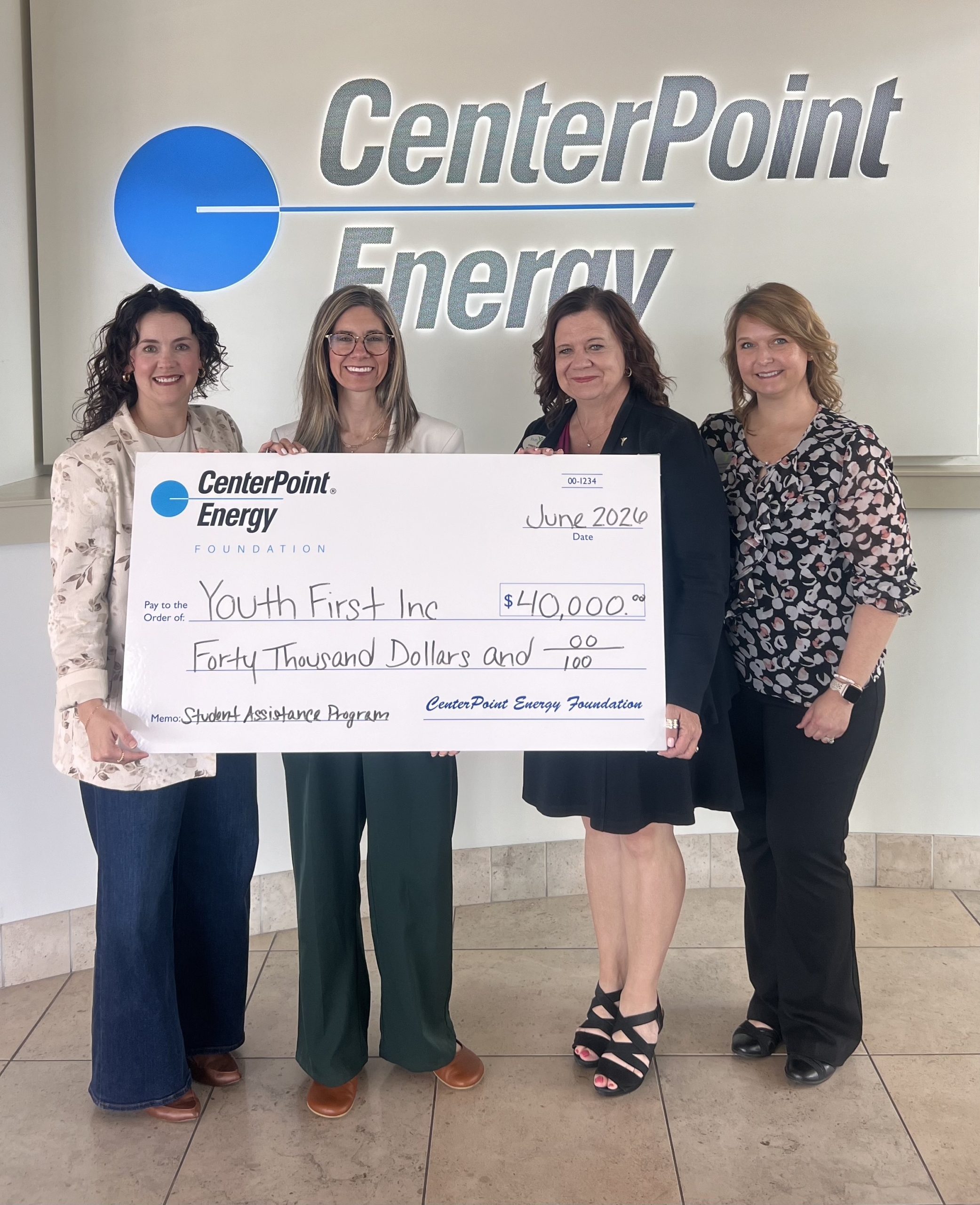
  • Youth First Receives $40,000 Award from CenterPoint Energy FoundationJuly 16, 2026 - 9:34 am
  • Establishing a Smooth Transition from Home to SchoolJuly 15, 2026 - 2:16 pm
  • Promoting Patience in a Fast-Moving WorldJuly 8, 2026 - 2:33 pm

Support Youth First

Help protect and heal the hearts of children by supporting Youth First!

Donate

Where to find us

111 SE Third Street, Suite 405
Evansville, IN 47708

Mon–Fri: 8:00–5:00
Sat–Sun: Closed

Get In Touch

812-421-8336

Contact
Copyright © 2026 Youth First, Inc. | Website by Media Mix
  • Website designed by Media Mix Advertising
  • Privacy Policy
Scroll to top Scroll to top Scroll to top