• Español Familias
Youth First
  • About
    • Who We Are
      • Mission, Vision & Values
      • Outcomes & Impact
      • Stories of Change
      • History
      • Staff
      • Youth First Mental Health Professionals
      • Board of Directors
      • Leading Sponsors
      • Careers
    • Where We Are
      • Catholic Diocese of Evansville
      • Daviess
      • Dubois
      • Gibson
      • Greene
      • Knox
      • Lawrence
      • Martin
      • Morgan
      • Orange
      • Perry
      • Posey
      • Spencer
      • Vanderburgh
      • Warrick
  • Programs
    • For Schools & Students
      • Youth First Mental Health Professionals
      • Al’s Pals
      • C.A.S.T.
      • LifeSkills Training
      • Reconnecting Youth
      • Teen Series
      • Tween Series
      • WhyTry
    • For Families & Youth
      • Camp Memories
      • Family First
      • Family First Foundations
      • In It to Win It
    • For Communities
      • Talk – They Hear You
      • The Truth Is
  • Resources
    • Resiliency Resources
    • Advice from Our Professionals
    • Other Helpful Resources
  • News
    • Newsletter
    • News Releases
  • Events
    • Calendar of Events/Programs
    • Youth First Warrick County Golf Scramble
    • Youth First Breakfast of Champions
    • Youth First Benefit Auction
  • Careers
  • Contact
  • Support
    • Donate
    • Volunteer
  • Click to open the search input field Click to open the search input field Search
  • Menu Menu
  • Link to Facebook
  • Link to Instagram
  • Link to Youtube
  • Link to LinkedIn

Tag Archive for: Social Worker Articles

Parents Can’t Pour from an Empty Cup

All Posts, Counties, Youth First Blog

By Amber Nunaley, MSW, LCSW – July 11, 2025 –

Let’s get straight to the point. Being a parent is hard. Parenting can mean poor sleep, burnout, and lots of stress. It often requires putting all your needs aside to make sure your child succeeds in life. It is not an easy task, and it really does take a village to raise a child.  

After the kids go to bed, you finally have time to unwind. What do you do? Read a book, watch a TV series, or go to sleep? When do you take time out of the busy family schedule to do something for yourself? I think most parents and caregivers would say there is not enough time in the day.

However, pouring from an empty cup is not helpful to anyone, especially your children. Let’s talk about some ways that you can practice self-care so you can better manage stress, become more present with your children, and overall feel better.

With soccer, ballet, football, band, and many other extracurricular activities available to kids, there’s a laundry list of practices, games, recitals, etc. to accompany each commitment. Most families these days have a jam-packed monthly schedule that includes sports, after-school activities, doctors’ appointments, birthday parties, and many other important things. However, parents can use a busy schedule to your advantage. Let’s look at how you can take time each day to practice self-care.

While your child is at soccer practice, for example, you could sit in the car or next to the field and listen to your favorite audiobook. Instead of having the kids take the dog out for a walk, you could volunteer to do it. Enjoy the fresh air and get some extra steps into your day. Just fitting as little as 10 minutes into your schedule to take some time out for yourself can make a big difference.

Have you ever thought about pursuing a new hobby? Remember that gift card you got for a free session at the local pottery shop? Cash that in and learn something new. Learning a new hobby doesn’t have to be just for you. It could be a family activity such as gardening. Teach the kids how to grow their own fruits and vegetables. This is also considered self-care, because as you enjoy teaching your kids something new, you are spending time together as a family. The benefits of sitting down once a day to eat a meal together or once a week to watch a movie together help families bond and parents feel fulfilled by special moments together.

As parents, we are role models for our children, which means that we must set a good example for them. If we can show our kids that we practice self-care and take time away from the hustle and bustle of life to take care of ourselves, hopefully they will follow in our footsteps and practice self-care as they grow into healthy adults.


July 11, 2025/by Youth First
https://youthfirstinc.org/wp-content/uploads/2025/07/Parent-and-child-hiking-scaled.jpg 1707 2560 Youth First https://youthfirstinc.org/wp-content/uploads/2017/06/340x156_YouthFirst_logo_color-300x138.png Youth First2025-07-11 11:12:022025-07-11 11:12:04Parents Can’t Pour from an Empty Cup

Seeking Professional Help for Your Child

All Posts, Counties, Youth First Blog

By Amy Back, MSW, LSW – July 2, 2025 –

As parents, we care deeply for our children and would do anything in the world to help them through difficult times. It can feel defeating when we realize our children may need outside help that we are unable to give them.

If you choose to get your child professional help, please know there is nothing to feel bad about; in fact, it speaks volumes that you care enough to take the step to get extra support for your child.

Every child is different, so while one child may come to their parent asking for professional help, others might not feel comfortable asking for help at all. This is where parents can step in if they are noticing signs that their child could benefit from professional assistance. Some of these signs could look like the child struggling to express emotions in healthy ways, substance use, sleep disturbances, changes in appetite, isolation, engaging in risky behaviors, or even persistent physical symptoms like stomachache, headache, chest pain, etc. Parents know their children best, so when our gut is telling us something is off, it likely is.

Some children may be closed off to the idea of getting professional help. Though it has gotten a lot better through the years, there can still be a stigma or negative perception that goes along with needing extra support. If you want to introduce the idea of seeking professional help to your child but are unsure of how they will respond, here are some things to consider.

First, tell your child that you want to empower and strengthen them. Seeking outside help is all about growing stronger and learning the tools they can use in times of high stress or emotions. Remind them that the emotional discomfort they are feeling is something that does not have to be their norm and that getting extra help is a way to combat that.

Remind your child that seeking help may take time. If your child can go into the process knowing that this is an investment in their mental health (and not necessarily something that will change overnight), it helps them think realistically about the process and not get discouraged if they don’t immediately see drastic results.

A big thing we can do as parents is to remind our kids that they are not in this alone. Not only will they now have added support through an outside professional, but you, as their parent or guardian, will still be with them every step of the way. Let them know that you will still be as involved as they are comfortable with you being, and at the same time, give them space if that is what they need. As parents, we can show our children that they don’t need to feel uncomfortable about seeking professional help; and at the same time, they still have us to fall back on.

July 2, 2025/by Youth First
https://youthfirstinc.org/wp-content/uploads/2025/07/Child-talking-with-therapist-scaled.jpg 1709 2560 Youth First https://youthfirstinc.org/wp-content/uploads/2017/06/340x156_YouthFirst_logo_color-300x138.png Youth First2025-07-02 14:25:552025-07-02 14:25:57Seeking Professional Help for Your Child

Raising Responsible Kids – The Value of Chores

All Posts, Counties, Youth First Blog

by Jenna Pauli, MSW, LCSW – June 25, 2025 –

Being a parent is a delicate balance between wanting to do things for our kids (and providing them with everything within our means) and teaching them to be responsible, grateful humans.

How can we help kids grow into responsible adults, and why is it important they start learning those life skills early? One of the best things we can do for our kids is to teach them to help at home with age-appropriate chores. Asking your child to do regular chores comes with a long list of benefits.

One of the most obvious benefits is that it helps them build life skills they will need as adults. Every person should know how to do regular household chores. As hard as it is to imagine, you will not always live with them to put their laundry away and load the dishwasher for them. Before you know it, they will spread their wings. Knowing how to do basic chores will help them become acclimated to life away from home much more quickly.

Another less obvious reason for assigning chores is to teach kids how to be a team player. Families function best when everyone is doing their part to make things run smoothly. From an early age, kids will learn that the assistance they give at home makes life easier for everyone, fostering a sense of belonging and teamwork. Siblings can work together, which will reinforce the idea that working as a team will help them accomplish their goals more quickly than working alone.

Doing chores is also a confidence booster for kids. It gives them the opportunity to learn something new and master skills. Kids love learning new things and feeling involved in what is happening in the home. Asking them to help with chores will also help create a tighter sense of community within your family.

Having responsibilities at home also helps kids learn time management skills. Asking them to complete unfavorable tasks before moving on to more desirable jobs will allow kids to learn how to prioritize. This is great preparation for adulthood, where we oftentimes find ourselves having to complete important (but unexciting) tasks before we can move on to the things that bring us joy.

There are many benefits to assigning chores to your kids, including building self-esteem, building confidence, learning to be independent, learning time management, and building life skills they will need as adults. I know it seems like we blink and they are older, and sometimes doing tasks for them feels like we get to keep them little for just a bit longer. But in reality, we are stunting their ability to thrive. Help your kids reach their full potential by allowing them to see you believe they can accomplish anything.

June 25, 2025/by Youth First
https://youthfirstinc.org/wp-content/uploads/2025/06/Mom-and-daughter-doing-laundry-scaled.jpg 1707 2560 Youth First https://youthfirstinc.org/wp-content/uploads/2017/06/340x156_YouthFirst_logo_color-300x138.png Youth First2025-06-25 16:23:532025-06-25 16:23:55Raising Responsible Kids – The Value of Chores

Preparing Children for Kindergarten: Skills for Early Success

adolescence, Counties, Youth First Blog

By Daisy Mata, MSW, LSW – June 17, 2025 –

Many people may not recall their first day of school, but for some, it remains an unforgettable memory. Personally, I can only remember being taken to the bus stop, feeling a mix of excitement and shyness about the experience.

Looking back, I realize that my early education was significantly supported by programs like Head Start, which provided essential skills for young learners. Recently, I spoke with custodians who have spent several years in the school system, and they voiced their concerns about incoming Kindergarten students. They noted that many young children today seem unprepared for the demands of school.

In her article, “Ready or Not Kindergarten, Here We Come,” Kelly Galuski highlights important skills that can be taught to children before they enter the classroom, paving the way for a successful educational journey.

First, Galuski recommends that fostering independence at home is crucial for your child’s development. Start by encouraging them to dress themselves, manage their coat, use the bathroom independently, wash their hands without constant reminders, and put on their own shoes. Providing serving spoons at mealtimes allows your child to serve themselves and clear their own dishes, which are essential skills that will benefit them in various settings, from the coatroom to the lunchroom.

Focus on self-help skills by teaching your child to wipe their face after meals and blow their nose without assistance. It’s equally important for them to feel comfortable asking an adult for help when necessary.

Establishing and following routines can significantly ease the transition to school. Create consistent morning habits, such as waking up at the same time, getting dressed, and enjoying breakfast together. These routines will help your child adjust more smoothly to a school environment.

Lastly, acknowledge your child’s feelings about starting school. Avoid overwhelming them with discussions about school, especially until the end of summer. Whether they express excitement or nervousness, take the time to validate their emotions and provide reassurance. By focusing on these key areas—independence, self-help skills, routines, and emotional acknowledgment—parents can effectively prepare their children for successful transitions into school and beyond.

June 18, 2025/by Youth First
https://youthfirstinc.org/wp-content/uploads/2025/06/Girl-kindergartner-scaled.jpg 1707 2560 Youth First https://youthfirstinc.org/wp-content/uploads/2017/06/340x156_YouthFirst_logo_color-300x138.png Youth First2025-06-18 16:25:002025-06-25 16:34:32Preparing Children for Kindergarten: Skills for Early Success

Discord’s Growing Impact on Teen Communication and Mental Health

All Posts, Counties, Youth First Blog

By Coogan Schools, MSW, LCSW – June 6, 2025 –

Originally created for gamers, the app Discord has expanded into a platform for socializing and building communities around shared interests. While it provides valuable opportunities for connection, there are concerns about its impact on teen mental health.

Benefits

Discord helps teenagers build meaningful connections with peers, especially those who may feel isolated in their daily lives. The platform enables teens to join servers based on their interests, such as gaming, school clubs, or hobbies like art and coding. This fosters a sense of belonging, allowing teens to form friendships across distances.

Specifically for gamers, Discord enhances socialization by allowing seamless voice and text communication during gameplay, building social skills and boosting confidence. Research shows that positive online communities can improve social well-being by providing teens with spaces to engage in shared activities. According to a study from the Journal of Adolescence, online communication can help reduce feelings of loneliness when used to form supportive connections.

Discord has also been adopted by schools and mental health organizations to offer support. For instance, Indiana Youth Group (IYG) uses Discord to host virtual support groups, providing teens with a safe, moderated environment where they can discuss challenges and share experiences.

Additionally, Discord has made strides in enhancing teen safety through various safeguards and resources. According to Discord’s official commitment to safety, the platform has implemented robust moderation tools, partnerships with safety experts, and an education program for parents and teens. Features like two-factor authentication, privacy settings, and family safety centers aim to ensure a safer experience. Discord also works with The Family Online Safety Institute to educate families on maintaining a positive digital environment.

Challenges

Despite its benefits, Discord can also expose teens to negative experiences. Cyberbullying and harassment remain persistent issues across digital platforms. In public or poorly-moderated servers, teens can encounter toxic behavior, leading to anxiety and emotional distress. Studies have found that cyberbullying can have significant negative effects on mental health, including increased anxiety, depression, and social withdrawal.

While Discord can connect teens with others, it may also lead to over-reliance on online interactions, replacing in-person relationships. Excessive use of the platform can contribute to feelings of loneliness, particularly if teens isolate themselves from face-to-face interactions. A 2017 study by Primack et al. found that increased time on social media platforms was associated with higher levels of perceived social isolation.

The fast-paced nature of Discord, where teens can participate in multiple servers simultaneously, can be overwhelming. This “server hopping” behavior, where users constantly switch between conversations and activities, can lead to stress and make it difficult to manage time effectively.

From an internet safety perspective, Discord’s open platform presents risks, such as exposure to inappropriate content or interactions with strangers. While Discord has made efforts to improve its moderation and security features, parents and teens must remain vigilant about privacy and safety settings.

Recommendations

Given the potential benefits and risks, how can teens, parents, and educators ensure a positive experience on Discord?

  • For Teens: It’s important to practice healthy communication habits. This means setting boundaries for screen time, avoiding toxic servers, and participating in communities that promote positivity and respect. Teens should also take advantage of Discord’s privacy settings, such as disabling direct messages from strangers and using two-factor authentication.
  • For Parents: Parents should have conversations with their teens about their online activities, monitor their Discord usage when appropriate, and ensure teens understand internet safety principles.
  • For Schools and Mental Health Providers: Schools can consider integrating platforms like Discord into structured activities such as online clubs or peer support groups, provided there are safeguards in place. Mental health providers can collaborate with schools or community groups to create virtual spaces where teens can access peer support in a safe and controlled environment.

Balancing Benefits and Challenges

Discord provides valuable opportunities for social connection and support but also presents challenges that need to be addressed. With the right guidance and safety measures, Discord can become an asset in fostering emotional health and building healthy relationships among teenagers.

June 6, 2025/by Youth First
https://youthfirstinc.org/wp-content/uploads/2025/06/Boy-gaming-scaled.jpg 1707 2560 Youth First https://youthfirstinc.org/wp-content/uploads/2017/06/340x156_YouthFirst_logo_color-300x138.png Youth First2025-06-06 08:50:572025-06-06 08:50:58Discord’s Growing Impact on Teen Communication and Mental Health

Kids and Adults Benefit from Spending Time Outdoors

All Posts, Counties, Youth First Blog

By Maggie Robertson, MSW – May 28, 2025 –

Summer is here! The days are warmer, longer, and for most kids, a little more carefree. And to the delight of many parents/guardians, kids have more opportunities to be outside.

It is hard to think of anything better for your mind and body than spending time outdoors. Currently, however, many kids are spending more time inside on electronics. It is important for adults to encourage them to spend time outdoors.

According to the University of California – Davis, there are many benefits associated with children spending adequate time outdoors, including mental and physical health, cognitive development, stress reduction, and environmental awareness. Many studies have found that just spending an hour a day outside can reduce depression and anxiety.

Spending time outdoors is also important for very young children. It can improve gross motor skills, social skills, cognitive development, and creativity. It gets kids moving, creating stimulation, while making them think.

Physical health is one of the most obvious benefits of spending time outdoors. Outdoor play encourages movement, whether it be running, jumping, or climbing. These activities help children develop strong muscles and bones, improve cardiovascular health, and maintain a healthy weight. Sunlight exposure also helps the body produce vitamin D, which is essential for bone health and immune function.

Mental and emotional health are also enhanced by spending time outdoors. Outdoor environments reduce stress, anxiety, depression, and symptoms of attention deficit disorders, offering a calming effect that regulates emotions and boosts mood and energy levels.

Outdoor time fosters children’s cognitive development also. Unstructured play stimulates curiosity, creativity, and problem-solving skills. When kids build and explore, they are engaging in active learning that can’t be replicated in a classroom or on a screen.

Outdoor play can also provide opportunities for collaboration and communication. When children play with others, it builds their vocabulary and social skills. Outdoor play allows for more freedom and self-direction, helping children build confidence and independence.

In addition to all these developmental benefits, being outside is simply fun and fulfilling for children. Climbing a tree, splashing in a creek, or flying a kite brings joy and a sense of adventure that is hard to match indoors. 

Encouraging outdoor play is one of the most effective ways to support our children’s overall health and development. There are endless opportunities and ideas of ways to spend time outside with your littles and it does not have to be expensive. Some examples include a hike in the woods, a scavenger hunt, or a game of tag in the yard. Time outdoors nurtures the body, mind, and spirit, helping children grow into healthier, happier, and more well-rounded individuals.

Adults can also be good role models for children. Let’s all put those electronics away and get outside!

May 28, 2025/by Youth First
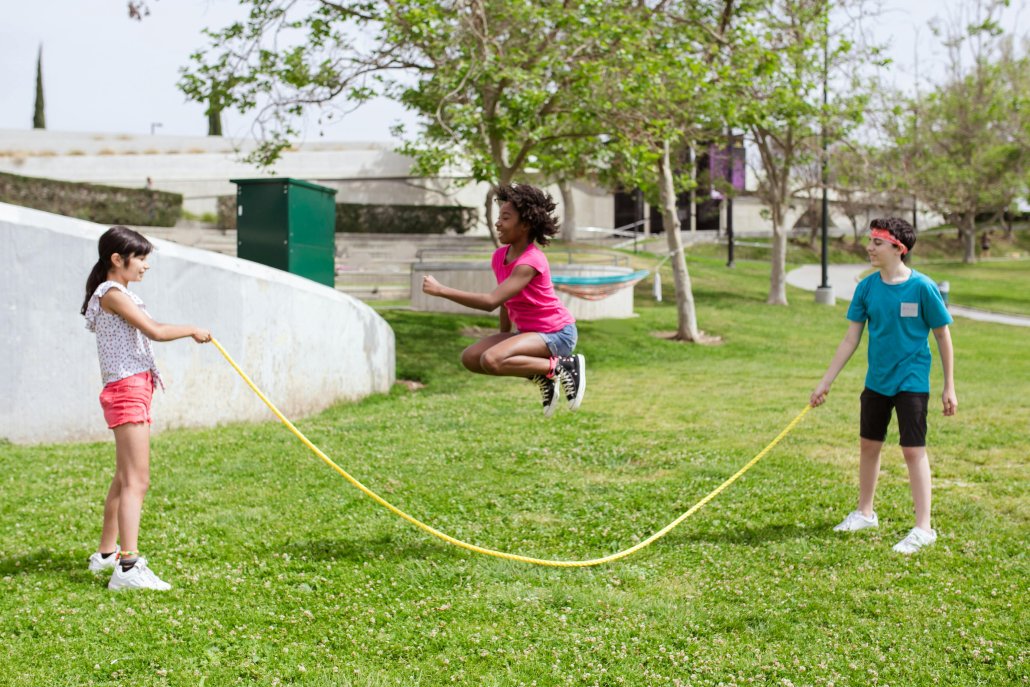
https://youthfirstinc.org/wp-content/uploads/2025/05/Kids-outside-jumping-rope-scaled.jpg 1707 2560 Youth First https://youthfirstinc.org/wp-content/uploads/2017/06/340x156_YouthFirst_logo_color-300x138.png Youth First2025-05-28 11:41:112025-05-28 11:41:13Kids and Adults Benefit from Spending Time Outdoors

Should Your Kids Have a Summer Routine?

All Posts, Counties, Youth First Blog

By Staci Chambers, MSW, LSW – May 22, 2025 –

“Schools out for summer!” This is potentially one of the most controversial statements of all time – for some, cheers, for others, tears. Summer has the longest and warmest days of the year for kids to enjoy, with a break from structured routines. What could go wrong?

Random sleep schedules, spontaneous pool days, and impromptu picnics may sound ideal to some, but some unexpected and potentially even negative things could pop up. The reality is that children thrive off structure and routine. If the goal is to make meaningful memories and connections with your child, consider implementing some plans and routines in the daily summer schedule.

The main goal in establishing and maintaining a meaningful summer routine for children at home is to be intentional, present, and consistent. These routines do not have to be too strict or time-consuming.

Being intentional with a summer routine can help make it more impactful when connecting with your child. Consider having conversations to assess their interests or desires. Your child may share an idea of an activity they would like to participate in or a new interest they have developed, which will help create plans that are more specific to your child’s interests. It may also present an opportunity for you to introduce your child to a new hobby or activity that you enjoy. These activities do not have to be fancy or all about checking activities off a wish list, but rather more about being intentional in spending time together doing something that promotes happiness.

To be present in your time with your child requires more than just physical presence. Whether you are on an elaborate amusement park trip or a backyard worm hunt, being present and engaged with your child can make all the difference in the experience. Ways to truly be present and show genuine interest may include putting your device away and engaging in conversation. Spending uninterrupted and undivided time with them maintains a good connection with your child during the summer months.

Consistency in your summer routine can mean more to your child and benefit your family more than you may realize. Amid the more unstructured routines that summer break may naturally present, prioritizing quality time with your child consistently can help keep you connected and give your child something to look forward to. These consistent interactions can help promote deeper communication with your child.

Finding stability in the flexibility of a summer break schedule can provide a great opportunity to strengthen bonds within your family. Staying involved, engaged, and connected with your children on a regular basis throughout summer break will encourage relationships that are more positive.

Here are some simple examples of summer activities:

  • Movie nights
  • Nature or neighborhood walks
  • Backyard campouts or campfires
  • Ice cream outings
  • Weekly water days (garden hose, trip to the pool, splash pad, etc.)
May 22, 2025/by Youth First
https://youthfirstinc.org/wp-content/uploads/2025/05/Girls-holding-hands-summertime-scaled.jpg 1707 2560 Youth First https://youthfirstinc.org/wp-content/uploads/2017/06/340x156_YouthFirst_logo_color-300x138.png Youth First2025-05-22 09:22:162025-05-22 09:22:18Should Your Kids Have a Summer Routine?

Tracking Your Child’s Development

All Posts, Counties, Youth First Blog

By Rebecca Williams, MSW, LSW – May 14, 2025 –

As parents or caregivers, we have so many questions: Am I doing enough? Will my child be successful? Is my child achieving appropriate developmental milestones? Why doesn’t my child want to spend time with me anymore?

These are some of the questions parents may face throughout their child’s development. As a school social worker, I have heard them from parents myself on occasion, and they are not always easy to answer. However, there are some standards parents can consult to see how their child is developing and whether they need extra support.

Psychologist Erik Erikson outlined eight stages of human development. For the purpose of the audience, I will go over the first six.

  1. The first stage is trust vs. mistrust during a child’s infancy. This is the stage where children learn that if their needs are met, they can trust the adults catering to those needs. If their needs are not met, then children often grow to become less trusting in others.
  2. The second stage is autonomy vs. shame/doubt while the child is a toddler. Autonomy allows the child to have independence, thus creating a sense of confidence. However, doubt in the child or dependence on their caregiver can lead to low self-confidence.
  3. The third stage is initiative vs. guilt during the child’s preschool years. If the child’s initiative is taken positively, the child learns that being assertive can be a positive behavior. If the initiative is taken negatively, it can lead children to be shy or timid.
  4. The fourth stage is industry vs inferiority during the child’s early school years. This stage has a lot to do with self-esteem. If children feel like they are having success like their peers, they gain a positive self-image. If they feel like they are not meeting the same milestones as their peers, they can have a negative self-image.
  5. The fifth stage is identity vs. role confusion in adolescent years. During this stage, children are finding out what their identity is. If they are not given the opportunity to explore what their identity is this can lead to role confusion. Don’t be surprised if your children spend more time with their peers and pursuing their own interests at this age. Stages 4 and 5 have a lot to do with a child’s social system and may feel out of your hands, so it’s important to provide support and encouragement when you can.
  6. The sixth stage is intimacy vs. isolation during the young adult stage. This stage is all about forming relationships. Those that can form bonds and relationships well will form a sense of intimacy, while those that are unable to form positive relationships feel isolation.

Now this is not a cut and dry layout. There will always be exceptions and gray areas, but this can be a helpful tool to identify what your child’s needs and milestones are at different ages. Being a parent or caregiver isn’t always easy, but your support, encouragement and care will go a long way toward a child’s success. As your child grows, create a space and relationship with them that promotes open and judgement-free communication.

May 14, 2025/by Youth First
https://youthfirstinc.org/wp-content/uploads/2025/05/Parent-measuring-childs-growth-scaled.jpg 1442 2560 Youth First https://youthfirstinc.org/wp-content/uploads/2017/06/340x156_YouthFirst_logo_color-300x138.png Youth First2025-05-14 14:47:112025-05-14 14:47:13Tracking Your Child’s Development

Technology and Mental Health – Positives and Negatives for Your Teen

All Posts, Counties, Youth First Blog

By Christina Oschman-Vandiver, MSW, LSW – May 7, 2025 –

Technology plays a large role in the lives of students, particularly those in middle and high school. It seems to have become a big part of their lives and their preferred method of communication.

While technology offers convenience, it also presents more than a few challenges.  Whether it is social media, messaging or video games, they all provide a level of communication and anonymity. Students can portray themselves and their peers any way they want, which often leads to the aforementioned challenges.

As a school social worker, I see students using technology and social media accounts at increasingly younger ages. One benefit of students having a social media account is that it offers a way to stay connected with friends and family that may not be local as well as staying abreast of current events. I believe that staying connected with others plays an important role in good mental health, and a benefit of technology as a whole is that it gives students a way to reach out to others and ask for help if needed. 

On the other hand, technology and social media can present quite a few challenges.  Working in a middle school, I see the constant struggle of keeping students off of their electronics during the school day. With the constant use of social media, I have seen rumors spread rapidly, videos of fights shared, and online bullying, to list a few examples. I have also seen social media accounts made for the purpose of ridiculing other students and even teachers. The challenges have increased with the required use of computers by students for classes and classwork. 

Middle school is difficult enough, and adding technology and social media to the mix does not make things any easier. Social media can have a negative effect on a student’s mental health. When rumors are spread or embarrassing pictures are shared, it often leads to feelings of shame, insecurity and self-doubt. Then when others begin to join in, the student may begin to believe what is being said, possibly leading to depression, anxiety, isolation, anger, and loss of friendships. The more people that become involved, the more challenging it is for the student to handle and the school administration to resolve the issue. 

When it comes to mental health, there are both positives and negatives to students using technology and social media. A positive of a student having access to technology is that when they are feeling down or having thoughts of self-harm, they have the ability to easily reach out and get help, whether that be from a friend, family member or hotline number. Another positive is the possibility of finding a community where they feel accepted and others who may have gone through similar situations who can be an inspiration for the student.

A downside is that there are times when students are focused on their devices and the actions of others and become so wrapped up in what someone else is doing that they forget to live their own life. Another downside is that rumors spread very quickly online and the negative effects on mental health increase.

As with almost anything, technology and social media can have a positive or negative impact on mental health. On the one hand, it can be used for community, connectedness, and support. On the other hand, it can be used as a way to spread rumors, deceit and to tear others down. Therefore, it is important to bring awareness to positive mental health and proper use of technology, especially within the middle and high school student populations. 

May 7, 2025/by Youth First
https://youthfirstinc.org/wp-content/uploads/2025/05/Boy-and-girl-teen-on-their-phones-scaled.jpg 1707 2560 Youth First https://youthfirstinc.org/wp-content/uploads/2017/06/340x156_YouthFirst_logo_color-300x138.png Youth First2025-05-07 10:07:042025-05-07 10:07:06Technology and Mental Health – Positives and Negatives for Your Teen

Supporting Your Child to Combat Negative Self-Talk

All Posts, Counties, Youth First Blog

By Courtney Beitler, MSW, LCSW – April 30, 2025 –

Negative self-talk is a challenge that affects people of all ages and something I witness daily, both in and out of my position as a school-based mental health professional. Whether it involves a loved one or a 7th grader I’m working with, I see how often negative self-talk can have an impact on multiple facets of our lives.

Negative self-talk is an internal dialogue of self-doubt, criticism, and unhelpful beliefs that can limit personal growth and harm one’s self-esteem. For adolescents, negative self-talk can be especially detrimental, as they navigate the complexities of growing up, their peer relationships and the growing academic pressures. Combating negative self-talk requires a combination of self-awareness, strategies and support.

The first step in combating negative self-talk is recognizing when and how it appears. It often falls into common thought patterns, such as catastrophizing (“If I strike out, my life is over”), labeling (“I’m so dumb”) or personalization (“No one likes me”). Identifying these thought patterns allows individuals to challenge these statements and replace them with more balanced perspectives.

Supportive adults can help their child recognize negative self-talk by encouraging open conversations about their thoughts and feelings. A simple question like, “What’s something you’ve been telling yourself lately?” can provide insight into their internal dialogue. Showing some vulnerability by sharing personal experiences with self-doubt and how it was overcome can also create a supportive environment.

One of the most effective ways to combat negative self-talk is to reframe unhelpful thoughts into more constructive ones. Instead of “I’ll never be good at this,” it can be shifted to “I’m still learning; improvement takes time.” This reframing encourages self-compassion and a growth mindset, reducing the harmful effects of self-criticism.

For children and teens, this process can be encouraged by parents reinforcing a positive perception. Instead of responding with, “You’re fine” or “That’s not true,” parents can guide them toward self-reflection. Responses such as, “Is there truth to what you’re saying about yourself, or is this a really strong feeling?” or “What would you say to a friend who felt this way?” Statements such as these can ultimately lead to healthy, constructive thoughts that encourage growth and awareness, rather than self-destructive thoughts that chip away at one’s self-esteem.

Replacing negative thoughts with affirmations may feel unnatural or “fake” at first, but consistent practice can rewire thinking patterns. Affirmations should be realistic and personal, such as “I am capable,” “I deserve kindness,” or “I am more than my mistakes.” Writing these down, repeating them daily, or placing them where they are easily visible (like on a mirror or in a phone reminder) can reinforce their impact. Additionally, creating an environment where achievements are celebrated (without excessive pressure) and where effort is valued over perfection helps reinforce a positive internal dialogue.

Negative self-talk is a challenge that can undermine confidence and self-esteem. By recognizing harmful thought patterns, reframing negative narratives and practicing self-compassion, individuals and families can cultivate healthier internal dialogue and mindsets. Adults and supporters can play a crucial role in this process by fostering open conversations, modeling positive self-talk, and creating an environment where growth and self-acceptance are prioritized. With these strategies, both children, adolescents and adults can learn to listen to their inner “encourager” over their inner critic. 

April 30, 2025/by Youth First
https://youthfirstinc.org/wp-content/uploads/2025/04/Father-with-girls-scaled.jpg 1707 2560 Youth First https://youthfirstinc.org/wp-content/uploads/2017/06/340x156_YouthFirst_logo_color-300x138.png Youth First2025-04-30 16:34:052025-04-30 16:35:53Supporting Your Child to Combat Negative Self-Talk
Page 6 of 31«‹45678›»
Search Search

Topics

  • Youth First to Honor Carol Lynch as 2026 Dr. William Wooten ChampionJuly 23, 2026 - 3:11 pm
  • How to Help Your Kids Make Good DecisionsJuly 22, 2026 - 2:22 pm
  • Youth First Receives $40,000 Award from CenterPoint Energy FoundationJuly 16, 2026 - 9:34 am
  • Establishing a Smooth Transition from Home to SchoolJuly 15, 2026 - 2:16 pm
  • Promoting Patience in a Fast-Moving WorldJuly 8, 2026 - 2:33 pm

Support Youth First

Help protect and heal the hearts of children by supporting Youth First!

Donate

Where to find us

111 SE Third Street, Suite 405
Evansville, IN 47708

Mon–Fri: 8:00–5:00
Sat–Sun: Closed

Get In Touch

812-421-8336

Contact
Copyright © 2026 Youth First, Inc. | Website by Media Mix
  • Website designed by Media Mix Advertising
  • Privacy Policy
Scroll to top Scroll to top Scroll to top